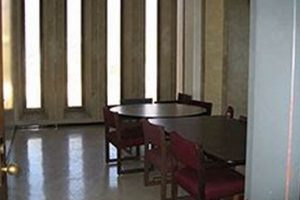
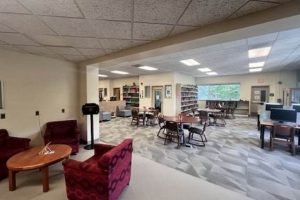
Designated spaces within the University of Washington (UW) campus provide areas conducive to academic work. These locations offer students, faculty, and staff environments designed to support individual and collaborative learning. Examples include rooms in Odegaard Undergraduate Library, Suzzallo and Allen Libraries, and various departmental buildings across campus.
The availability of these spaces is important for fostering a productive academic atmosphere. Access to quiet zones, group collaboration areas, and technology-equipped rooms enhances the educational experience and facilitates effective study habits. Historically, these spaces have evolved in response to changing pedagogical approaches and student needs, reflecting a commitment to supporting learning.
The subsequent sections will delve into the process of locating, reserving, and utilizing these valuable campus resources. Further discussion will focus on the specific amenities available, policies governing their use, and tips for maximizing their effectiveness for academic success.
Optimizing Use of University of Washington Study Spaces
The following guidance aims to maximize the effectiveness of dedicated study spaces within the University of Washington for all users. Adherence to these suggestions contributes to a positive and productive environment.
Tip 1: Advance Booking is Recommended. Due to high demand, particularly during peak academic periods such as midterms and finals, reserving a room in advance is strongly advised. The University’s online reservation system allows for scheduling based on availability.
Tip 2: Familiarize with Room Policies. Each location maintains specific guidelines regarding food, noise levels, and reservation durations. Reviewing these policies prior to use ensures compliance and avoids potential disruptions.
Tip 3: Utilize Designated Collaboration Tools Respectfully. Many rooms are equipped with whiteboards, projectors, or screens. Employ these tools responsibly and ensure they are left clean and functional for subsequent users.
Tip 4: Maintain a Quiet Environment. Even in group study spaces, minimizing noise levels is essential. Conversations should be kept at a reasonable volume, and electronic devices should be silenced to avoid distracting others.
Tip 5: Respect Reservation Time Limits. Adhering to the allotted time slot allows for equitable access for all students. Leaving promptly at the end of the reservation ensures the space is available for the next scheduled user.
Tip 6: Report any Maintenance Issues. Should any problems arise, such as malfunctioning equipment or cleanliness concerns, promptly notify library or building staff to facilitate timely resolution.
Effective management of University of Washington study spaces contributes significantly to a supportive academic community. Following these guidelines promotes an environment conducive to both individual and collaborative learning.
The subsequent section will cover specific locations and their unique attributes.
1. Availability

The availability of study spaces within the University of Washington directly impacts student access to resources essential for academic performance. The following points detail key facets of availability and their implications.
- Peak Demand Periods
During midterms and finals weeks, demand for study rooms significantly increases. This heightened demand often results in limited availability, requiring proactive planning and reservations. Failure to book in advance can lead to an inability to secure a suitable space, potentially hindering study effectiveness.
- Location-Specific Variations
Availability is not uniform across all locations. Libraries like Odegaard and Suzzallo, being central and well-equipped, typically experience higher demand and consequently lower availability compared to departmental or lesser-known spaces. This necessitates exploring options beyond the most popular locations.
- Reservation System Functionality
The university’s online reservation system dictates access to many study rooms. System functionality, including ease of use, booking limits, and real-time availability updates, directly influences a student’s ability to secure a desired space. System outages or complex interfaces can impede access and contribute to frustration.
- Impact of Building Hours
Study space availability is inherently tied to the operating hours of the buildings housing them. Reduced hours during evenings, weekends, and holidays directly restricts access. This is particularly relevant for students with non-traditional schedules or those requiring extended study sessions.
These facets of availability collectively shape the accessibility of study spaces at the University of Washington. Addressing these factors peak demand management, location diversification, system optimization, and extended building hours is crucial for ensuring equitable and consistent access to resources that support student success.
2. Reservations

The reservation system is a critical component for accessing study spaces within the University of Washington. Because demand often exceeds supply, a reservation system is essential for allocating these rooms equitably and efficiently. Without a mechanism to schedule usage, study spaces would be subject to uncontrolled occupancy, potentially leading to overcrowding and conflicts among students. For instance, during final examination periods, libraries and dedicated study centers experience a surge in demand. The reservation system allows students to book spaces in advance, ensuring they have a designated area for focused work. This process mitigates the risk of wasted time searching for available spaces and supports a more predictable study environment.
The practical significance of understanding the reservation system lies in maximizing study time and minimizing disruptions. Familiarity with the system’s interface, policies, and any associated booking limitations empowers students to plan their study sessions effectively. This proactive approach can prevent scheduling conflicts and ensure access to preferred locations and room configurations. Moreover, awareness of cancellation policies allows for the release of unused reservations, making the space available to others and contributing to a more collaborative environment.
In summary, the reservation system is instrumental in managing University of Washington study spaces. It serves as a necessary tool for navigating high demand and facilitating equitable access. Understanding and utilizing the system’s features effectively contributes to a streamlined and productive study experience. Potential challenges, such as limited booking windows or system errors, should be addressed to continually improve the usability and reliability of this essential service.
3. Room Capacity

Room capacity directly influences the utility and suitability of University of Washington study spaces. The size of a room dictates the number of individuals who can comfortably and effectively utilize the space for academic purposes. Mismatches between intended use and room size can detract from the learning environment.
- Individual Study vs. Group Collaboration
Individual study often benefits from smaller, more secluded spaces, fostering concentration and minimizing distractions. Larger rooms may be unsuitable for solitary work due to ambient noise and potential disruptions. Conversely, group projects necessitate rooms with sufficient capacity to accommodate all members comfortably, along with adequate table space for materials and discussions. Overcrowding can impede collaboration and reduce the effectiveness of group study sessions.
- Impact on Resource Accessibility
Room capacity affects access to resources within the study space. A room with limited seating may restrict the number of students who can utilize shared amenities such as whiteboards, power outlets, or projectors. High-capacity rooms require adequate resources to meet the demands of all occupants. Insufficient resources can lead to competition for access and diminished productivity.
- Influence on Noise Levels and Distractions
The size of a study room directly correlates with potential noise levels. Larger rooms with multiple occupants are more prone to higher noise levels and increased distractions, especially if guidelines regarding quiet study are not observed. Conversely, smaller rooms may provide a quieter and more focused environment, but could feel cramped if overbooked. Proper management of room capacity is essential for maintaining an environment conducive to learning.
- Considerations for Accessibility and Inclusivity
Room capacity must accommodate individuals with disabilities. Adequate space is necessary for wheelchair maneuverability and the use of assistive technologies. High-capacity rooms should include designated accessible seating and appropriate accommodations for students with diverse needs. Failure to address accessibility considerations within the context of room capacity can create barriers to equitable access and participation.
In summation, room capacity is a critical factor in optimizing the use of University of Washington study rooms. Effective management of room size in relation to intended use, resource allocation, noise control, and accessibility is essential for fostering a productive and inclusive academic environment. Balancing room capacity with student needs and ensuring equitable access contributes to the overall effectiveness of these valuable campus resources.
4. Location Variety

Location variety is a critical attribute of University of Washington (UW) study spaces, directly influencing accessibility and suitability for diverse learning preferences. The availability of study rooms across multiple campus locations, from central libraries to departmental buildings, provides students with choices that can significantly impact their study effectiveness. The cause is the need to cater to different study habits and preferences. The effect is increased student access to beneficial study environments.
The significance of location variety lies in its ability to accommodate various student needs and schedules. For example, a student residing in a North Campus dorm might prefer a study room in McMahon Hall for convenience, while a student needing access to specific resources might opt for a space within Suzzallo Library. Real-life instances include students selecting a quiet corner in the Allen Library for focused reading or a group utilizing a reservable room in the HUB for collaborative project work. This variety reduces overcrowding in central locations and provides tailored spaces for specific academic tasks.
Understanding the practical implications of location variety allows students to strategically select study spaces that best align with their individual requirements. Navigating the options requires familiarity with campus resources and awareness of each location’s unique attributes, such as available technology, noise levels, and operating hours. By leveraging the diverse range of UW study spaces, students can optimize their study environment and contribute to a more productive and inclusive academic community. Ensuring that information about these varied locations is readily accessible and regularly updated is a challenge that must be addressed to maximize the benefit of this valuable campus resource.
5. Equipment Provided
The availability of specific equipment within University of Washington study rooms is a critical factor influencing the effectiveness of these spaces for academic work. The presence or absence of appropriate resources directly impacts students’ ability to engage in focused study, collaborative projects, and research activities.
- Technological Resources
Technological infrastructure, such as reliable Wi-Fi access, power outlets, and projectors, significantly enhances the utility of study rooms. Wi-Fi enables access to online resources, power outlets support the use of laptops and other devices, and projectors facilitate group presentations and collaborative work. Lack of these resources can hinder productivity and limit the types of activities that can be effectively conducted within the space. An instance would be a group of students unable to practice their presentation, because a key element required wasn’t available.
- Furniture and Ergonomics
The type and arrangement of furniture within study rooms influence comfort and physical well-being during extended study sessions. Ergonomic chairs, adjustable tables, and sufficient workspace are essential for promoting proper posture and reducing strain. Inadequate furniture can lead to discomfort, fatigue, and decreased concentration, hindering academic performance. For example, some rooms are not ADA compliant, and students requiring special tables or chairs are unable to benefit from the location.
- Presentation and Display Tools
Whiteboards, markers, and display screens are crucial for brainstorming, problem-solving, and presenting information. These tools enable students to visualize concepts, collaborate on projects, and share ideas effectively. The absence of these tools can limit the collaborative potential of study rooms and impede effective communication. For instance, Math or Physics students may be unable to communicate theories and solutions effectively.
- Lighting and Environmental Control
Adequate lighting and environmental control, including temperature and ventilation, contribute to a comfortable and conducive study environment. Proper lighting reduces eye strain and promotes alertness, while temperature control ensures a comfortable atmosphere regardless of external weather conditions. Poor lighting or inadequate ventilation can lead to discomfort, fatigue, and decreased concentration. Rooms without windows can seem small and claustrophobic, reducing the time students wish to stay.
The provision of appropriate equipment within University of Washington study rooms is essential for supporting student success. Ensuring access to technological resources, ergonomic furniture, presentation tools, and controlled environments enhances the effectiveness of these spaces and contributes to a productive academic experience. Strategic allocation of equipment based on room size, intended use, and student needs is crucial for maximizing the value of these valuable campus resources.
6. Noise Policies

The enforcement of noise policies within University of Washington (UW) study rooms is paramount to maintaining an environment conducive to focused learning and academic achievement. These policies aim to balance the needs of individual study with those of collaborative learning, ensuring that all users can effectively utilize the designated spaces.
- Designated Quiet Zones
Certain study rooms are explicitly designated as “quiet zones,” where minimal noise is tolerated. These areas cater to students requiring an environment free from distractions for intensive individual study. Real-world examples include sections within Odegaard Undergraduate Library and Suzzallo Library, where conversations are discouraged, and electronic devices must be silenced. Violations of these policies can result in warnings or, in some cases, expulsion from the study space. Students are made aware of these zones via signage and verbally by librarians and security staff.
- Group Study Area Regulations
In contrast to quiet zones, group study rooms are intended for collaborative work and allow for a moderate level of discussion. However, even in these spaces, noise levels must be kept within reasonable limits to avoid disrupting others. Policies often stipulate that conversations should be conducted at a volume that does not carry beyond the immediate group and that disruptive activities, such as loud music or boisterous behavior, are prohibited. Many rooms are equipped with sound-dampening features.
- Enforcement Mechanisms
The enforcement of noise policies relies on a combination of self-regulation, peer monitoring, and intervention by library staff or security personnel. Signage outlining the specific rules for each study room serves as a reminder to users. Library staff actively patrol the spaces and address noise complaints, while security personnel may be called upon to handle more serious violations. Peer monitoring encourages students to politely remind others to adhere to the noise policies. A culture of mutual respect is paramount.
- Impact on Study Environment
Effective implementation of noise policies directly impacts the quality of the study environment within UW study rooms. Adherence to these guidelines promotes concentration, reduces stress, and enhances overall productivity. Conversely, lax enforcement can lead to distractions, frustration, and decreased learning outcomes. Clear, consistently enforced noise policies are, therefore, essential for maximizing the benefits of these valuable campus resources. These policies are even more important during stressful peak periods, such as midterms and finals.
The success of noise policies within UW study rooms depends on the collective responsibility of all users. By understanding and adhering to the established guidelines, students can contribute to a supportive and productive learning environment that benefits the entire academic community. Continual evaluation and refinement of these policies are necessary to address evolving student needs and ensure their ongoing effectiveness.
7. Accessibility
Accessibility within University of Washington study rooms ensures equitable access for all students, regardless of physical or cognitive abilities. The design and implementation of accessible features within these spaces are critical for fostering an inclusive learning environment and supporting the academic success of all individuals.
- Physical Accessibility and Mobility
Physical accessibility addresses the ability of individuals with mobility impairments to navigate and utilize study rooms effectively. This includes features such as wheelchair ramps, automatic door openers, and sufficient space for wheelchair maneuverability. For instance, study rooms lacking adequate clearance or accessible entrances may exclude students with mobility challenges, limiting their access to valuable study resources. Room layouts that prioritize clear pathways and adjustable furniture are key elements of physical accessibility.
- Assistive Technology Integration
Assistive technology integration involves the provision of resources that support students with sensory or cognitive disabilities. This can include assistive listening devices for students with hearing impairments, screen magnifiers or alternative keyboards for students with visual impairments, and adjustable lighting to accommodate sensitivity to light. Study rooms equipped with these technologies empower students to overcome barriers and fully participate in academic activities. Access to electrical outlets for powering personal assistive devices is also a crucial consideration. The absence of these resources can isolate students and hinder their ability to learn effectively.
- Accessible Furniture and Workspaces
Accessible furniture and workspaces ensure that students with disabilities can comfortably and effectively utilize study rooms for extended periods. This includes adjustable-height tables that can accommodate wheelchairs or provide ergonomic support, chairs with lumbar support, and appropriate task lighting. Providing a variety of furniture options allows students to select arrangements that best meet their individual needs and preferences. Standardized furniture that does not accommodate diverse body types or physical limitations can create discomfort and hinder concentration.
- Information Accessibility and Communication
Information accessibility and communication encompass the provision of study room policies, reservation systems, and informational materials in accessible formats. This can include providing website content in accordance with WCAG guidelines, offering materials in large print or Braille, and ensuring that staff are trained to communicate effectively with students with disabilities. Clear signage with tactile and visual cues is essential for wayfinding and navigation. Lack of accessible information can exclude students and prevent them from fully utilizing study room resources.
In conclusion, prioritizing accessibility within University of Washington study rooms is essential for creating an inclusive and equitable learning environment. By addressing physical accessibility, assistive technology integration, accessible furniture, and information accessibility, the University can ensure that all students have the opportunity to succeed academically. Continued evaluation and improvement of accessibility features are necessary to meet the evolving needs of the diverse student population.
Frequently Asked Questions
The following addresses common inquiries regarding the utilization of designated study spaces at the University of Washington. Answers are intended to provide clarity and facilitate optimal use of these resources.
Question 1: What constitutes a “uw study room?”
A “uw study room” refers to a designated area within University of Washington facilities intended for academic study. These spaces range from individual carrels to group collaboration rooms, found in locations such as libraries, departmental buildings, and the HUB.
Question 2: How does one locate accessible “uw study rooms?”
Information regarding accessible study rooms can be found on the University of Washington Libraries website or by contacting Disability Resources for Students (DRS). Accessible rooms are designed to accommodate students with disabilities and may include features such as adjustable tables and assistive technology.
Question 3: What actions constitute a violation of “uw study rooms” policies?
Violations of study room policies include excessive noise, exceeding reservation time limits, damaging or defacing property, and using the space for non-academic purposes. Repeated violations may result in suspension of reservation privileges.
Question 4: What is the procedure for reporting maintenance issues within “uw study rooms?”
Maintenance issues, such as malfunctioning equipment or cleanliness concerns, should be reported to library staff or building management personnel. Contact information is typically posted within the study room or available at the circulation desk.
Question 5: Are there restrictions on food and beverages within “uw study rooms?”
Policies regarding food and beverages vary by location. In general, covered drinks are permitted, but food consumption may be restricted to designated areas. Check specific guidelines posted within the study room or on the library website.
Question 6: Is it possible to extend a reservation for “uw study rooms?”
Extending a reservation is contingent upon availability. If no other reservation exists for the space immediately following the current booking, an extension may be possible. Inquire at the circulation desk or through the online reservation system.
Utilizing University of Washington study rooms effectively requires adherence to established policies and an awareness of available resources. Proactive planning and responsible use contribute to a productive learning environment for all students.
The following section will address tips and tricks.
Conclusion
This exploration has illuminated various facets of University of Washington study rooms, encompassing availability, reservation protocols, room capacity considerations, location variety, provided equipment, noise regulations, and accessibility provisions. Optimal utilization of these resources hinges on user awareness of established guidelines and a commitment to fostering a productive academic environment.
Continued investment in, and responsible stewardship of, these designated study spaces are vital for supporting the University’s mission of academic excellence. Students are encouraged to proactively engage with these resources and contribute to a community that values focused learning and mutual respect. The effective management and strategic deployment of these spaces directly contribute to the overall academic success of the University community.