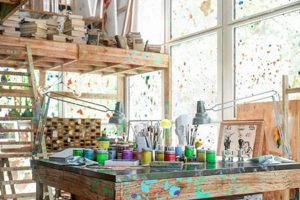
The central concept involves creative spaces within residences specifically tailored for artistic endeavors. These areas are designed to accommodate diverse artistic practices, ranging from painting and sculpting to digital art and crafts. For instance, a spare room can be converted into a painting studio, or a section of a basement can be utilized for ceramics.
Such dedicated spaces offer several advantages. They provide a distraction-free environment conducive to focused work and creative flow. Furthermore, these studios allow artists to maintain their supplies and projects in an organized manner, promoting efficiency and reducing setup time. Historically, artists often adapted existing spaces for their work, but the concept of a purpose-built or dedicated area has become increasingly popular, reflecting the growing recognition of art as a significant part of both professional and personal lives.
This exploration now transitions into specific considerations for designing such spaces, encompassing factors like space optimization, lighting solutions, storage strategies, and ergonomic design principles relevant to fostering a productive and inspiring atmosphere for artistic creation. These practical elements are essential for establishing effective and personalized creative hubs within the domestic environment.
Optimizing a Dedicated Creative Area
The following outlines key considerations for maximizing the functionality and inspiration of a home-based art space. Prudent planning will yield a more productive and enjoyable environment for artistic pursuits.
Tip 1: Prioritize Natural Light: Adequate illumination is critical. Position the studio to capitalize on natural light sources, such as large windows or skylights. Diffuse strong sunlight with sheer curtains to prevent harsh shadows and color distortion.
Tip 2: Implement Flexible Storage Solutions: Art supplies necessitate organized storage. Utilize shelving, drawers, and modular units to accommodate diverse materials and tools. Consider vertical storage options to maximize floor space.
Tip 3: Establish a Dedicated Workspace: Define specific areas for different activities, such as painting, sculpting, or digital art. A designated workspace minimizes clutter and promotes focus during creative sessions. Ensure the area is sufficiently sized for the intended activities.
Tip 4: Incorporate Ventilation: Many art materials produce fumes and odors. Proper ventilation is essential for maintaining air quality. Install an exhaust fan or utilize an air purifier to mitigate potential health hazards.
Tip 5: Select Durable and Easy-to-Clean Surfaces: Art-making can be messy. Choose flooring and work surfaces that are resistant to stains and easy to clean. Consider materials such as sealed concrete, linoleum, or epoxy resin.
Tip 6: Integrate Inspirational Elements: Personalize the space with artwork, photographs, and objects that inspire creativity. This helps foster a positive and motivational atmosphere within the workspace.
Tip 7: Ergonomic Design for Comfort: Invest in adjustable chairs, tables, and equipment to promote proper posture and reduce strain. Prolonged artistic endeavors require comfortable and supportive furnishings to prevent physical discomfort.
These strategies collectively enhance the usability and enjoyment of an in-residence creative area, leading to improved focus, increased productivity, and a more stimulating artistic experience.
The subsequent section will delve into cost-effective strategies for achieving an optimal at-home art environment, balancing functionality with budgetary constraints.
1. Spatial Allocation

Spatial allocation constitutes a fundamental consideration in the effective design of art studios within residential settings. The dimensions and arrangement of the studio space directly impact the feasibility and ease with which artistic endeavors can be pursued. Insufficient space can restrict movement, limit the scale of projects, and hinder the efficient organization of materials, ultimately diminishing creative output.
- Area Designation
This facet involves defining specific zones within the studio for distinct activities such as painting, sculpting, digital art, or storage. A well-defined painting area may necessitate a large easel and ample space for mixing paints, while a sculpting zone would require a sturdy surface and adequate ventilation. The lack of dedicated areas can lead to clutter and impede the flow of work, illustrating a failure to properly designate different space for activities.
- Scale of Work Accommodation
The physical dimensions of the studio should correspond to the scale of artwork typically produced. An artist who creates large-format paintings, for example, needs a significantly larger studio than one who primarily works with miniature sculptures. A small, cramped space can restrict artistic expression, hindering the creation of ambitious or expansive works.
- Accessibility and Circulation
Optimal spatial allocation facilitates ease of movement within the studio. Pathways should be wide enough to accommodate the artist and any necessary equipment without obstruction. Accessible storage solutions are essential to prevent unnecessary strain and delays in accessing materials. A studio with a poorly designed layout, where the artist must navigate through obstacles, impedes workflow.
- Vertical Space Utilization
Effective use of vertical space is particularly important in smaller studios. Shelving units, wall-mounted storage, and overhead racks can significantly increase storage capacity without consuming valuable floor space. Ignoring the potential of vertical storage can lead to a cluttered and inefficient workspace.
These facets of spatial allocation underscore its importance in creating a functional and inspiring creative environment. Thoughtful planning of studio layout and dimensions is not merely a matter of convenience but a critical factor in promoting artistic productivity and enabling artists to fully realize their creative potential. The effective management of space directly translates to a more efficient, enjoyable, and ultimately successful artistic practice.
2. Ambient Lighting

Ambient lighting represents a critical, yet often underestimated, component of effective art studio design within a residential context. Its influence extends beyond mere visibility, impacting color perception, mood, and overall creative productivity. Deficient lighting can lead to inaccurate color rendering, eye strain, and a generally uninspiring work environment. Conversely, thoughtfully designed ambient lighting fosters a stimulating and comfortable space, enabling artists to work effectively for extended periods. For instance, a painter relying solely on harsh, direct overhead lighting might misjudge color values, resulting in discrepancies between their intended and actual artwork. This underscores the direct causal relationship between lighting quality and artistic outcome.
Different artistic mediums necessitate varying lighting approaches. Painters often benefit from natural light sources supplemented by balanced artificial illumination to ensure accurate color representation. Sculptors, on the other hand, might require directional lighting to accentuate form and texture. Illustratively, a ceramicist working with glazes needs ample, consistent light to properly assess color variations and firing results. Adjustable lighting systems, incorporating dimmers and color temperature controls, offer adaptability to accommodate diverse creative needs. Moreover, appropriate light diffusion, achieved through the use of lampshades or diffused panels, is essential to minimize glare and prevent eye fatigue. Improperly diffused light sources, or the lack of adequate ambient light, causes artist eye strain.
In conclusion, the integration of strategic ambient lighting is not merely an aesthetic consideration, but a practical necessity for any successful home art studio. Comprehending the specific lighting requirements of various artistic mediums, and implementing appropriate lighting solutions, directly contributes to improved work quality, enhanced creative well-being, and a more fulfilling artistic experience. The challenges associated with inadequate lightinginaccurate color perception, eye strain, and reduced productivityhighlight the importance of prioritizing this aspect of studio design. Investing in quality ambient lighting, thus, constitutes a critical step towards creating a professional and inspiring workspace within the home.
3. Ergonomic Furnishings

Ergonomic furnishings constitute an integral component of effectively designed home art studios. Their implementation directly impacts artist comfort, physical well-being, and long-term productivity, translating into a more sustainable and fulfilling creative practice.
- Adjustable Work Surfaces
Adjustable tables and easels enable artists to customize their workspace to accommodate various postures and mediums. A painter, for instance, may alternate between sitting and standing to reduce fatigue. In contrast, a sculptor might require a tilting surface for optimal access to their work. Work surface height allows each user to adjust to their need to produce a better outcome and prevent the physical pain.
- Ergonomic Seating Solutions
Specialized chairs with adjustable height, lumbar support, and armrests promote proper posture and alleviate back pain. Artists often spend extended periods seated, making ergonomic seating essential for preventing musculoskeletal disorders. Example: prolonged illustration session.
- Tool Placement and Accessibility
Strategically positioned tool holders, organizers, and storage systems minimize reaching and bending, reducing strain on the body. Easy access to frequently used materials contributes to a more efficient workflow. Example: having paintbrushes within arm’s reach.
- Lighting Position and Brightness
Adjustable light fixtures allow artists to direct illumination where it is needed most, reducing eye strain and improving visibility. Proper lighting is crucial for tasks requiring fine detail. Example: Sculpting is more accurate using proper light.
These ergonomic considerations underscore the importance of prioritizing artist well-being within the studio environment. By implementing adjustable and supportive furnishings, artists can mitigate the risk of physical discomfort and enhance their ability to engage in sustained creative work. The integration of these elements is crucial for transforming a standard room into a functional, healthy, and inspiring creative space.
4. Organized Storage

In the realm of “home art studio ideas,” organized storage emerges as a critical element, directly influencing efficiency, workflow, and the overall creative environment. It transcends simple tidiness, serving as a strategic approach to maximizing space, minimizing distractions, and fostering a productive artistic atmosphere.
- Categorization Systems
Effective storage relies on robust categorization systems that group similar materials and tools together. For example, paints may be organized by color, medium, or brand, while brushes are sorted by size, shape, and hair type. A failure to implement such systems leads to wasted time searching for specific items and hinders the creative process. The lack of categorization often results in artists abandoning project due to the time.
- Space Optimization Techniques
Storage solutions must efficiently utilize available space, both horizontally and vertically. Shelving units, wall-mounted racks, and under-desk drawers maximize storage capacity without encroaching on valuable workspace. Consider an artist whose studio is dominated by cluttered floor space due to a lack of vertical storage; This inefficient use of space limits movement and hinders artistic endeavors.
- Accessibility Considerations
Frequently used items should be readily accessible, while less frequently used supplies can be stored in more remote locations. This minimizes disruptions during creative sessions and promotes a smoother workflow. For instance, an artist who constantly uses a particular set of pencils would store them within easy reach, whereas backup supplies would be stored elsewhere.
- Material Preservation
Proper storage protects valuable art supplies from damage, deterioration, and loss. Airtight containers preserve the integrity of paints and solvents, while protective cases prevent brushes from fraying or breaking. Example: the failure to properly store materials leads to financial losses and creative setbacks.
In synthesis, the strategic implementation of organized storage systems transcends mere tidiness, becoming a cornerstone of effective home art studio design. By optimizing space, categorizing materials, ensuring accessibility, and preserving supplies, organized storage fosters a more productive, efficient, and inspiring environment for artistic expression.
5. Inspirational Decor

The concept of inspirational decor, when integrated into the design of a home art studio, directly influences an artist’s creative output and mental well-being. The aesthetic environment serves as a constant, subtle stimulus, shaping mood, focus, and the generation of novel ideas. A stark, sterile studio may stifle creativity, while a space adorned with personally meaningful objects, colors, and textures can foster a sense of comfort and stimulate imaginative processes. The inclusion of artwork from admired artists, for example, provides a tangible connection to a broader creative lineage and sets a aspirational benchmark.
The choice of inspirational decor extends beyond purely aesthetic preferences. It encompasses elements that directly support artistic practice. Pinboards displaying works-in-progress, color swatches, and reference materials facilitate visual organization and idea development. Plants introduce natural elements, improving air quality and providing a calming visual focus. Displaying finished artwork not only celebrates completed projects but also serves as a source of motivation. Consider the contrasting impact of a dimly lit studio filled with discarded materials compared to a brightly lit, curated space featuring finished work, mood boards and a vision of success.
Ultimately, the effective use of inspirational decor within the context of home art studio design underscores the importance of creating a personalized and supportive environment. It is not merely about aesthetics; it is about curating a space that resonates with the artist’s individual creative vision and provides a constant source of inspiration and encouragement. Addressing the challenges of selecting decor that remains stimulating without becoming distracting is key to achieving optimal creative productivity.
Frequently Asked Questions
The subsequent section addresses common inquiries and clarifies misconceptions surrounding the establishment and maintenance of a productive artistic workspace within a residential environment.
Question 1: What is the minimum space requirement for a functional in-residence art studio?
The optimal spatial requirement varies depending on the specific artistic disciplines pursued. However, a dedicated area of at least 100 square feet is generally recommended to accommodate essential equipment, storage, and workspace. For activities involving large-format artwork or sculpting, a significantly larger area is necessary.
Question 2: How can adequate lighting be achieved in a studio with limited natural light?
In scenarios where natural light is insufficient, artificial lighting solutions must be strategically implemented. Full-spectrum LED bulbs, mimicking natural daylight, are recommended. Additionally, adjustable task lighting should be employed to provide focused illumination for specific work areas, minimizing eye strain and ensuring accurate color rendition.
Question 3: What are cost-effective storage solutions for organizing art supplies?
Affordable storage options include repurposed shelving units, plastic bins, and pegboards with customizable attachments. Maximizing vertical space through wall-mounted storage systems is a particularly effective strategy for smaller studios. Furthermore, transparent containers facilitate easy identification of stored materials.
Question 4: How can potential hazards associated with art materials be mitigated?
Proper ventilation is paramount when working with materials that emit fumes or dust. An exhaust fan or air purifier can effectively remove airborne contaminants. Additionally, materials should be stored in tightly sealed containers and handled with appropriate personal protective equipment, such as gloves and respirators.
Question 5: What are the essential ergonomic considerations for prolonged artistic endeavors?
Ergonomic seating with adjustable height, lumbar support, and armrests is crucial for maintaining proper posture and minimizing back pain. Work surfaces should be positioned at a comfortable height to prevent strain on the neck and shoulders. Regular breaks and stretching exercises are also recommended to mitigate fatigue.
Question 6: How can inspiration be fostered within the studio environment?
Personalizing the space with artwork, photographs, and objects that hold personal significance can stimulate creativity. Displaying mood boards, reference materials, and works-in-progress provides visual cues and encourages idea generation. Maintaining a clean and organized workspace also contributes to a more focused and inspiring atmosphere.
In summary, addressing these frequently asked questions provides a foundation for establishing a functional, safe, and inspiring art studio within the home.
The following section will explore the integration of technology into the in-home art studio, examining the role of digital tools and resources in contemporary artistic practices.
Conclusion
This exploration has elucidated the multifaceted nature of establishing effective “home art studio ideas,” encompassing elements from spatial allocation and ambient lighting to ergonomic furnishings, organized storage, and inspirational decor. A properly configured studio transcends mere functionality, directly influencing the artist’s creative output, well-being, and long-term sustainability.
The principles outlined herein serve as a foundation for creating personalized and productive spaces dedicated to artistic pursuits. Careful consideration of these elements is crucial for fostering an environment that not only supports artistic practice but also enhances the overall creative experience. The ultimate goal remains the cultivation of a dedicated, inspiring space conducive to the realization of artistic potential.