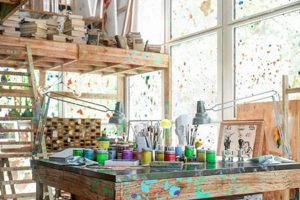
A compact creative workspace, often personalized and dedicated to artistic pursuits, allows individuals to engage in activities such as painting, sculpting, drawing, or mixed media art. These areas can range from a converted spare room in a residence to a sectioned-off area within a larger space. For example, an individual might transform a small attic into a dedicated painting area, equipping it with easels, storage for art supplies, and ample lighting.
The establishment of such a dedicated zone offers several advantages. It provides a focused environment conducive to concentration and artistic expression. Furthermore, it enables the artist to maintain an organized repository of tools and materials, streamlining the creative process. Historically, artists have sought dedicated spaces to foster their work, adapting available environments to meet their specific needs and preferences. This intentional creation of a personalized environment can be traced back through various artistic movements and across cultures.
The following sections will delve into specific aspects of designing and utilizing a compact artistic environment, including considerations for spatial planning, lighting, storage solutions, and the selection of appropriate equipment. This exploration aims to provide practical guidance for individuals seeking to establish or enhance their own dedicated area for creative endeavors.
Tips for Optimizing a Compact Artistic Workspace
The following recommendations provide guidance on effectively utilizing and managing a limited area dedicated to artistic pursuits. Adherence to these principles can enhance productivity and creative output.
Tip 1: Vertical Space Maximization: Employ wall-mounted shelving and storage units to capitalize on vertical space. This strategy keeps floor space clear and accessible. For instance, install shelves above a work table to house paints, brushes, and other supplies.
Tip 2: Multi-Functional Furniture Integration: Opt for furniture pieces that serve multiple purposes. A folding table can provide a work surface when needed and be stowed away when not in use. Similarly, a storage ottoman can offer seating and conceal art materials.
Tip 3: Strategic Lighting Implementation: Utilize a combination of ambient, task, and accent lighting. Natural light should be supplemented with adjustable lamps to ensure adequate illumination for detailed work. Consider LED lighting for energy efficiency and consistent color temperature.
Tip 4: Regular Organization and Decluttering: Establish a routine for organizing and decluttering the workspace. This prevents the accumulation of unnecessary items and maintains a focused environment. Designate specific containers for various supplies and implement a system for discarding unused materials.
Tip 5: Color Palette Consideration: Choose a color scheme that promotes concentration and creativity. Neutral tones, such as white or gray, can create a calming backdrop. Introduce accent colors sparingly to avoid visual distractions. A light and airy color scheme will also enhance the feeling of spaciousness.
Tip 6: Adaptable Workspace Design: Design the space with flexibility in mind. Arrange furniture in a manner that allows for easy rearrangement based on the specific project or activity. Mobile storage units can facilitate this adaptability.
Implementing these strategies will facilitate the creation of a functional and inspiring environment for artistic endeavors, even within a restricted area.
The subsequent sections will address advanced techniques for further optimizing the user experience within a compact artistic environment.
1. Space Optimization

Space optimization is a critical determinant of functionality within a compact creative workspace. The inherently limited dimensions of a “little art studio” necessitate strategic resource allocation to accommodate essential equipment, materials, and movement. Insufficient spatial planning directly impedes workflow, limits artistic exploration, and potentially leads to frustration. For instance, a poorly organized area might lack adequate surface area for large-scale projects or proper ventilation for certain mediums, hindering creative possibilities. Prioritizing space optimization transforms what might otherwise be a constraint into an advantage, fostering a more efficient and productive artistic environment. Examples include utilizing vertical storage solutions, such as wall-mounted shelving, or incorporating multi-functional furniture to maximize floor space.
The implementation of effective space optimization techniques translates directly to tangible benefits. A well-organized environment minimizes time spent searching for tools or materials, allowing for more focused creative engagement. Furthermore, it enhances safety by reducing clutter and the risk of accidents. The psychological impact of a well-designed workspace should also be considered. A visually appealing and orderly studio can positively influence mood and motivation, encouraging artistic output. Consider the transformation of a small closet into a functional studio through the addition of custom-built shelving, fold-down work surfaces, and integrated lighting, showcasing the potential for maximizing limited areas.
Effective space optimization within a compact creative workspace hinges on understanding individual needs and artistic practices. A painter, for example, might prioritize ample wall space for displaying canvases, while a sculptor may require open floor space for manipulating materials. The key takeaway is that space optimization is not merely about maximizing square footage but about tailoring the environment to the specific demands of the creative process. Failure to address space limitations effectively can lead to a less-than-ideal studio experience, inhibiting artistic expression. The successful integration of space optimization strategies, however, unlocks the full potential of the compact creative workspace, fostering a harmonious blend of functionality, inspiration, and artistic productivity.
2. Efficient Storage

In the context of a “little art studio,” efficient storage transcends mere organization; it becomes a critical determinant of functionality and creative output. The constraints imposed by limited space necessitate a strategic approach to managing materials and equipment, ensuring accessibility and preventing clutter from hindering the artistic process.
- Vertical Space Utilization
Vertical space utilization maximizes storage capacity without expanding the studio’s footprint. Shelving units, wall-mounted racks, and hanging organizers exploit underutilized areas above work surfaces. For instance, tall, narrow shelves can house rolls of paper, canvases, or paint bottles, freeing up valuable floor space. The strategic implementation of vertical storage ensures that essential materials are readily accessible while maintaining a tidy and organized environment.
- Multi-Functional Storage Solutions
Multi-functional storage solutions serve dual purposes, optimizing space and enhancing efficiency. Storage ottomans provide seating while concealing art supplies, and rolling carts offer mobile storage that can be positioned as needed. A drafting table with built-in drawers eliminates the need for separate storage units, streamlining the workspace. The selection of multi-functional storage pieces ensures that every element contributes to both storage and functionality.
- Categorization and Labeling Systems
Categorization and labeling systems facilitate the rapid retrieval of materials and prevent disorganization. Grouping similar items together and clearly labeling containers ensures that artists can quickly locate the tools they need without wasting time searching. Transparent containers allow for easy identification of contents without the need to open each one, further enhancing efficiency. A well-defined categorization system is essential for maintaining order and maximizing productivity within a compact creative environment.
- Regular Inventory Management
Regular inventory management prevents the accumulation of unnecessary supplies and ensures that materials are used efficiently. Periodically reviewing and discarding expired or unused items frees up valuable storage space and reduces clutter. Implementing a system for tracking inventory levels allows artists to identify when supplies need to be replenished, preventing disruptions to the creative process. Consistent inventory management is crucial for maintaining a well-organized and productive “little art studio”.
These facets collectively underscore the integral role of efficient storage within a “little art studio.” By strategically utilizing vertical space, incorporating multi-functional solutions, implementing clear categorization systems, and maintaining a proactive approach to inventory management, artists can overcome spatial limitations and cultivate an environment conducive to creativity and productivity.
3. Adaptable Lighting

Adaptable lighting is not merely an amenity, but a fundamental component within a “little art studio,” directly influencing the quality of artistic output. The restricted dimensions typical of these spaces magnify the impact of lighting, making its control and flexibility paramount. Inadequate or inflexible illumination compromises color accuracy, obscures details, and introduces visual strain, all detrimental to the artistic process. The ability to adjust lighting parameters, such as intensity, color temperature, and direction, is therefore essential for accommodating diverse artistic mediums and techniques.
The practical significance of adaptable lighting is exemplified in various scenarios. A painter might require bright, neutral lighting for accurate color mixing and canvas assessment, while a sculptor might benefit from directional lighting to accentuate form and texture. The absence of such adaptability forces compromises, potentially resulting in inaccurate color representation in paintings or obscured details in sculptural work. Furthermore, the type of artistic activity often varies depending on the time of day; natural light may be sufficient during daylight hours, but artificial lighting becomes necessary and must be adaptable for continued work into the evening. Examples of adaptable systems include dimmable LED fixtures, adjustable spotlights, and color-temperature-tunable bulbs, allowing artists to tailor the illumination to their specific needs and preferences.
In summary, adaptable lighting addresses the unique challenges posed by compact creative workspaces. By providing control over intensity, color temperature, and directionality, it fosters an environment conducive to precise and nuanced artistic endeavors. While the implementation of adaptable lighting systems may present initial costs, the long-term benefits, including improved accuracy, reduced eye strain, and enhanced creative productivity, justify the investment. The integration of adaptable lighting is, therefore, a crucial step in maximizing the potential of a “little art studio.”
4. Ergonomic Design
Ergonomic design within a “little art studio” is not a luxury, but rather a necessity for sustained creative productivity and physical well-being. The constrained dimensions of such workspaces demand careful consideration of how the artist interacts with the environment to minimize strain and maximize efficiency. Neglecting ergonomic principles can lead to discomfort, repetitive strain injuries, and ultimately, reduced artistic output.
- Adjustable Work Surfaces
Adjustable work surfaces allow for customization of the working height, accommodating different artistic mediums and individual preferences. Whether painting at an easel, sculpting at a workbench, or drafting at a table, the ability to adjust the height prevents slouching and promotes proper posture. A fixed-height surface, conversely, can force artists to adopt uncomfortable positions, leading to back pain, neck strain, and other musculoskeletal issues. The implementation of adjustable work surfaces is a foundational element of ergonomic design in a compact creative environment.
- Supportive Seating
Supportive seating is crucial for maintaining proper spinal alignment during extended periods of artistic engagement. Chairs with adjustable lumbar support, seat height, and armrests enable artists to customize the seating to their individual needs. A poorly designed chair, lacking adequate support, can contribute to poor posture, back pain, and fatigue. Investing in a high-quality, ergonomically designed chair is an investment in the artist’s long-term health and productivity. The inclusion of a footrest can further enhance comfort and promote proper circulation, particularly for individuals with shorter stature.
- Proper Tool Placement
Proper tool placement minimizes reaching and stretching, reducing the risk of repetitive strain injuries. Frequently used tools and materials should be positioned within easy reach, while less frequently used items can be stored further away. A well-organized workspace, with tools readily accessible, reduces unnecessary movements and conserves energy. Conversely, a cluttered workspace, requiring excessive reaching and stretching, increases the risk of injury and diminishes efficiency. The strategic arrangement of tools and materials is a key component of ergonomic design within a compact creative workspace.
- Adequate Lighting
Adequate lighting, both in terms of intensity and positioning, is essential for reducing eye strain and promoting visual comfort. Task lighting should be directed at the work surface, providing sufficient illumination for detailed tasks. The elimination of glare and shadows is crucial for preventing visual fatigue and promoting accuracy. Inadequate lighting, conversely, can force artists to strain their eyes, leading to headaches, blurred vision, and ultimately, reduced productivity. The strategic placement of lighting fixtures, combined with adjustable intensity settings, is an integral aspect of ergonomic design in a “little art studio.”
These facets of ergonomic design, when integrated into the “little art studio,” collectively contribute to a safer, more comfortable, and more productive environment. The careful consideration of work surface height, seating support, tool placement, and lighting reduces physical strain, promotes well-being, and allows artists to focus on their creative endeavors without physical distractions. Neglecting these principles can have detrimental consequences, while embracing them yields tangible benefits in terms of artistic output and long-term health.
5. Inspiration Integration

The infusion of inspirational elements within a compact artistic workspace, a “little art studio,” directly impacts creative output and artistic exploration. A sterile or uninspiring environment can hinder the flow of ideas and limit the artist’s willingness to experiment. Conversely, a space that actively stimulates the imagination can serve as a catalyst for innovation and artistic growth. Inspiration integration is, therefore, a critical component in maximizing the potential of a small creative environment.
Consider the impact of visual references. A painter might incorporate a collection of landscape photographs or reproductions of masterworks to inform their work. A sculptor could surround themselves with natural objects, such as stones, shells, or branches, to inspire new forms and textures. These visual cues act as triggers for ideas, providing a starting point for artistic exploration. Beyond visual elements, sensory integration also plays a role. The incorporation of natural light, the use of specific color palettes, and the introduction of tactile elements, such as textured fabrics or raw materials, can all contribute to a more stimulating and productive workspace. A writer, for instance, may benefit from a view overlooking a natural landscape. A musician might find that surrounding themselves with instruments and sound-dampening materials fosters a focused creative environment.
Successfully implementing inspiration integration requires a personalized approach, tailored to the individual artist’s preferences and creative process. The challenge lies in curating a selection of elements that genuinely inspire without overwhelming the limited space. Overcrowding the studio with too many objects can lead to visual clutter and distraction, negating the benefits of inspiration. The key is to strike a balance, creating a space that is both stimulating and organized. By carefully selecting and arranging inspirational elements, artists can transform a “little art studio” from a mere workspace into a vibrant hub of creativity and innovation.
Frequently Asked Questions about Little Art Studios
The following section addresses common inquiries regarding the establishment, maintenance, and optimization of compact creative workspaces.
Question 1: What constitutes a “little art studio” in terms of spatial dimensions?
A “little art studio” typically refers to a dedicated creative space occupying a limited area, generally ranging from a converted closet or spare room to a designated section within a larger living space. The precise dimensions are variable, contingent upon individual requirements and available resources.
Question 2: What are the primary considerations when selecting a location for a compact creative environment?
Key factors include natural light availability, ventilation adequacy, ambient noise levels, and proximity to essential amenities. A location offering ample natural light and effective ventilation is preferable, minimizing the need for artificial illumination and promoting air quality. Consideration must also be given to minimizing distractions and ensuring convenient access to water sources and power outlets.
Question 3: How can spatial limitations be effectively addressed in a confined artistic workspace?
Vertical storage solutions, such as wall-mounted shelving and cabinets, are instrumental in maximizing usable space. Multi-functional furniture, including folding tables and storage ottomans, offers further optimization. Strategic arrangement of equipment and materials minimizes clutter and facilitates efficient workflow.
Question 4: What lighting configurations are recommended for a compact creative environment?
A combination of ambient, task, and accent lighting is optimal. Ambient lighting provides overall illumination, while task lighting focuses on specific work areas. Accent lighting highlights particular features or artwork. Dimmable fixtures offer flexibility in adjusting light intensity to suit various artistic endeavors.
Question 5: How can potential hazards be mitigated within a limited creative space?
Proper ventilation is essential for dispersing fumes from paints and solvents. Adequate lighting reduces the risk of accidents. Secure storage of sharp tools and hazardous materials minimizes the potential for injury. Adherence to safety protocols is paramount.
Question 6: What strategies promote organization and prevent clutter accumulation in a compact art studio?
Implementing a designated storage system, utilizing clear containers, and labeling all items promotes efficient organization. Regular decluttering and disposal of unused materials are crucial for maintaining a tidy and functional workspace. Establishing a routine for organizing supplies at the end of each session prevents clutter accumulation.
The preceding answers offer guidance on establishing and maintaining a functional and productive “little art studio.”
The subsequent sections will address advanced techniques for maximizing user experience within a compact artistic environment.
Conclusion
The preceding exploration has detailed critical considerations for establishing and optimizing a “little art studio”. From strategic space utilization and efficient storage to adaptable lighting, ergonomic design, and inspiration integration, each facet contributes to a cohesive and productive creative environment. These elements, when thoughtfully implemented, collectively address the inherent challenges posed by spatial constraints.
The deliberate application of these principles is paramount for fostering a workspace that not only accommodates artistic endeavors but also actively enhances them. Future development in this area should focus on innovative, space-saving solutions and adaptive technologies that further empower artists working within limited dimensions. The continued pursuit of optimized compact creative environments remains a vital endeavor for enabling artistic expression across diverse contexts.