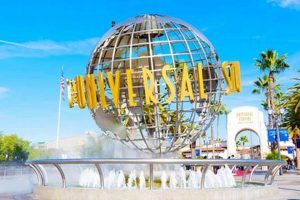
Determining theme park attendance involves estimating the average number of individuals entering the park each day. This figure reflects the park’s popularity and capacity, playing a vital role in resource allocation and operational planning. Attendance is typically measured through ticket sales, turnstile counts, and other tracking methods employed by park management.
Understanding daily theme park visitation is crucial for managing staffing levels, optimizing queue management strategies, and predicting revenue streams. Historical attendance data informs future investment decisions regarding expansions, attractions, and infrastructure improvements. Furthermore, these metrics provide valuable insights for marketing campaigns and promotional efforts aimed at attracting visitors during both peak and off-peak seasons.
The subsequent sections will delve into the factors influencing daily attendance, explore reported figures for Universal Studios parks, and analyze the implications of fluctuating visitation numbers on park operations and the surrounding community.
Maximizing the park experience requires careful consideration of anticipated crowd levels. Understanding factors affecting daily attendance at Universal Studios parks provides strategic advantages for visitors.
Tip 1: Monitor Crowd Calendars: Consult online crowd calendars that forecast attendance based on historical data, holidays, and special events. These calendars offer estimations of potential wait times and overall park density.
Tip 2: Leverage Express Pass Options: Consider purchasing Universal Express passes, which provide expedited access to numerous attractions. This investment significantly reduces wait times, particularly on high-attendance days.
Tip 3: Arrive Before Park Opening: Arriving at the park before the scheduled opening allows visitors to experience popular attractions with minimal wait times. This strategy is particularly effective during peak seasons.
Tip 4: Utilize Single Rider Lines: Take advantage of single rider lines, available at select attractions. These lines often have shorter wait times, as they fill empty seats on rides.
Tip 5: Download the Official App: The Universal Studios app provides real-time wait times, show schedules, and park maps. This resource enables informed decisions about which attractions to visit and when.
Tip 6: Plan for Off-Peak Seasons: Visiting during off-peak seasons, such as weekdays during the school year, typically results in lower attendance and shorter wait times. Prioritize these periods if possible.
Tip 7: Consider Park Hopper Options: If visiting multiple parks within Universal Studios, assess the relative crowd levels at each park and adjust the itinerary accordingly.
Strategic planning based on anticipated daily visitation improves the overall park experience. By implementing these tips, visitors can optimize their time and minimize exposure to excessive crowds.
The subsequent sections will explore specific attendance figures and analyze the factors influencing daily visitation at Universal Studios parks.
1. Average Daily Attendance

Average Daily Attendance directly reflects how many people visit Universal Studios a day, representing a calculated mean of daily visitors over a specific period, such as a month or a year. This metric serves as a crucial indicator of the park’s overall popularity and operational performance. Higher average daily attendance typically signifies greater demand for the park’s offerings, influenced by factors like seasonality, special events, and successful marketing campaigns. For example, a park might record an average of 50,000 visitors daily during the summer months, dropping to 30,000 during the off-season. This fluctuation highlights the importance of considering the timeframe when analyzing average daily attendance.
The practical significance of understanding average daily attendance lies in its application to resource management. Park operators use this data to optimize staffing levels, schedule maintenance, and manage crowd flow. A higher-than-average attendance forecast necessitates increased staffing and enhanced queue management strategies to maintain guest satisfaction. Conversely, lower-than-average predictions allow for reduced operational costs and the scheduling of necessary renovations. Understanding this component of “how many people visit Universal Studios a day” enables informed decision-making across various aspects of park operations.
In summary, Average Daily Attendance is a fundamental measure integral to understanding how many people visit Universal Studios a day. By analyzing this metric, park operators gain critical insights into park performance, enabling them to optimize resource allocation and enhance the guest experience. Challenges in accurately predicting attendance variations persist due to unforeseen events and evolving market trends, necessitating continuous data analysis and adaptive strategies.
2. Seasonal Fluctuations

Seasonal fluctuations are a primary driver of daily visitation numbers at Universal Studios parks. The “how many people visit Universal Studios a day” metric experiences pronounced variations throughout the year, directly correlated with school schedules, holidays, and regional climate patterns. For example, summer months and holiday periods such as Thanksgiving and Christmas consistently witness heightened attendance. This is driven by families seeking vacation destinations during school breaks. Conversely, periods during the traditional school year, particularly September and January, typically show lower attendance figures. Understanding these seasonal patterns is crucial; for instance, Halloween Horror Nights significantly boosts attendance in October, illustrating the event’s substantial impact on overall yearly visitation.
The practical significance of recognizing these fluctuations lies in operational planning. Park management utilizes historical data on seasonal trends to forecast attendance levels, allowing for adjustments in staffing, inventory, and entertainment schedules. Predicting the number of visitors directly influences resource allocation decisions. Higher attendance forecasts necessitate increased personnel, extended park hours, and enhanced crowd management strategies. Lower attendance predictions, conversely, enable cost-saving measures and opportunities for maintenance or refurbishment projects. Failure to accurately anticipate seasonal variations can result in understaffing during peak periods, leading to longer wait times and decreased guest satisfaction, or overstaffing during slower periods, resulting in inefficient resource utilization.
In conclusion, seasonal fluctuations are an intrinsic component of “how many people visit Universal Studios a day,” significantly impacting park operations and the overall guest experience. Accurate analysis and prediction of these variations are paramount for effective resource management and strategic planning. Although historical data provides valuable insights, evolving societal trends and unforeseen events can introduce complexities, necessitating ongoing monitoring and adaptive strategies to optimize performance throughout the year.
3. Special Events Impact

The occurrence of special events at Universal Studios significantly affects the daily influx of visitors. These events function as primary drivers for attendance, often resulting in substantial increases compared to typical daily averages. Careful consideration of event types and their corresponding effects is crucial for accurate attendance forecasting.
- Halloween Horror Nights Influence
Halloween Horror Nights represents a prime example of an event with a marked impact. This seasonal offering, typically held in September and October, transforms the park with themed haunted houses and scare zones. The unique nature of this event consistently draws large crowds, leading to significantly elevated daily attendance figures during its operation. The marketing associated with Halloween Horror Nights further amplifies its draw, attracting both local and international visitors.
- Holiday Celebrations and Parades
Holiday celebrations, such as Christmas and New Year’s Eve, contribute substantially to increased attendance. Universal Studios often organizes parades, shows, and themed decorations to enhance the festive atmosphere. These attractions appeal to families and individuals seeking holiday entertainment, resulting in higher visitation rates. Marketing efforts targeting these demographics further bolster attendance during these periods.
- Concerts and Live Performances
The hosting of concerts and live performances within Universal Studios parks directly correlates with increased attendance. The popularity of the performing artists influences the number of visitors, with high-profile acts drawing larger crowds. These events serve as incentives for both dedicated fans and casual park-goers, leading to a temporary surge in daily attendance figures. Strategic scheduling and promotion are key factors determining the event’s success and its impact on overall visitation.
- Film Premieres and Special Screenings
Universal Studios, being affiliated with a major film studio, occasionally hosts film premieres and special screenings. These events attract movie enthusiasts and industry professionals, leading to increased attendance on those specific days. The star power associated with these events further enhances their appeal, drawing significant crowds. The marketing and publicity surrounding these premieres contribute to heightened awareness and subsequent visitation.
In summary, special events serve as crucial determinants of daily visitation at Universal Studios. These events, ranging from seasonal offerings to live performances, directly influence attendance figures. By strategically planning and promoting these events, park management can effectively manage and maximize the number of visitors, thus optimizing overall revenue and operational efficiency. Understanding the specific impact of each event is crucial for accurate attendance forecasting and resource allocation.
4. Park Capacity Limits
Park capacity limits directly constrain the number of individuals who can visit Universal Studios on any given day, establishing a definitive ceiling on daily attendance. This upper limit is determined by a multitude of factors, encompassing physical space, safety regulations, and operational considerations. The establishment of these limits is not arbitrary; rather, it stems from a need to ensure a safe and enjoyable experience for all visitors. Overcrowding can lead to longer wait times, compromised safety conditions, and diminished overall satisfaction. Therefore, park capacity limits directly and fundamentally influence the “how many people visit Universal Studios a day” metric. These limits act as a regulator, preventing unchecked attendance spikes that could negatively impact the park’s operational effectiveness and guest experience. For instance, if a park’s established capacity is 60,000 individuals, the maximum daily attendance cannot legally exceed this figure, regardless of demand or external factors. This regulation becomes especially critical during peak seasons and special events when demand often surpasses available capacity, necessitating measures such as ticket limitations and reservation systems.
The practical significance of understanding park capacity limits extends beyond simple attendance restrictions. Effective management of capacity is essential for optimizing resource allocation, staffing levels, and crowd control strategies. Park operators must employ sophisticated techniques, including real-time monitoring and predictive modeling, to accurately forecast attendance and proactively manage capacity. Reservation systems, timed entry tickets, and virtual queuing are examples of tools utilized to regulate the flow of visitors and prevent overcrowding. Furthermore, capacity limits influence pricing strategies. Demand-based pricing models, wherein ticket prices fluctuate based on anticipated attendance, are often employed to incentivize visitation during off-peak periods and discourage overcrowding during peak times. These strategies demonstrate the integrated approach required to effectively manage park capacity and optimize the visitor experience within the established limits. Moreover, capacity limits impact the design and planning of new attractions and expansions. Any addition to the park’s offerings must be carefully evaluated in terms of its potential impact on overall capacity and the existing infrastructure. This necessitates a holistic approach to park development, considering not only the appeal of new attractions but also their influence on crowd flow and overall park dynamics.
In conclusion, park capacity limits serve as a foundational constraint on daily attendance at Universal Studios. These limits are not merely arbitrary restrictions but are instead essential for ensuring guest safety, maintaining a positive visitor experience, and optimizing operational efficiency. Effective management of capacity requires a multifaceted approach, encompassing accurate forecasting, strategic pricing, and proactive crowd control measures. Although the concept of a fixed capacity limit may seem straightforward, its practical application involves a complex interplay of factors, requiring ongoing monitoring, analysis, and adaptive strategies. Understanding the relationship between park capacity limits and “how many people visit Universal Studios a day” is crucial for both park operators and visitors alike, enabling informed decision-making and a more enjoyable overall experience.
5. Marketing Effectiveness

Marketing effectiveness directly influences the number of daily visitors to Universal Studios. Successful campaigns translate into heightened awareness, increased interest, and, consequently, higher attendance figures. The relationship is causal: well-executed marketing initiatives can demonstrably increase the number of individuals passing through the park’s gates on a daily basis. This effectiveness stems from the ability to reach target audiences, communicate compelling value propositions, and create a sense of urgency or desire to visit. For instance, a targeted social media campaign showcasing a new ride and offering a limited-time discount can drive a surge in ticket sales and, consequently, increased daily attendance. Conversely, ineffective marketing, characterized by poorly targeted messaging or inadequate reach, can lead to stagnant or declining visitation numbers. Thus, effective marketing functions as a critical component of the daily attendance equation.
The practical significance of understanding the connection between marketing effectiveness and daily attendance lies in optimizing marketing investments and strategies. Park management utilizes data analytics and performance metrics to assess the impact of various marketing channels, including television advertising, online campaigns, and promotional partnerships. By analyzing which campaigns generate the highest return on investment (ROI) in terms of increased attendance, resources can be allocated more efficiently. For example, if a park’s marketing team determines that targeted email campaigns to past visitors yield a higher conversion rate than general television advertising, resources can be shifted accordingly. Moreover, effective marketing can mitigate the impact of seasonal fluctuations or unforeseen events. A well-timed marketing campaign can help maintain attendance levels during traditionally slow periods or counteract the negative effects of adverse weather conditions. Promotional partnerships with travel agencies or hotels can also extend the reach of marketing efforts and attract new visitor segments.
In summary, marketing effectiveness is intrinsically linked to the daily visitor count at Universal Studios. Successful marketing campaigns demonstrably drive attendance, while ineffective campaigns can lead to stagnation or decline. Understanding this relationship is crucial for optimizing marketing investments, allocating resources effectively, and mitigating the impact of external factors. While measuring marketing effectiveness can be complex, requiring sophisticated data analysis and performance metrics, the insights gained are invaluable for maximizing attendance and ensuring the long-term success of the park. The challenge lies in continuously adapting marketing strategies to evolving consumer preferences and media landscapes, ensuring that campaigns remain relevant and impactful.
6. Economic Indicators

Economic indicators serve as barometers of the overall economic health of a region or nation, exerting a significant influence on discretionary spending patterns, including leisure and entertainment expenditures such as visits to Universal Studios. Fluctuations in these indicators can directly impact the number of individuals who visit Universal Studios on any given day.
- Gross Domestic Product (GDP) Growth
GDP growth, a measure of the total value of goods and services produced within an economy, reflects the overall economic activity and prosperity. Periods of robust GDP growth typically correlate with increased consumer confidence and disposable income, leading to a greater propensity to spend on leisure activities like theme park visits. Conversely, economic slowdowns or recessions often result in decreased discretionary spending, impacting attendance at Universal Studios. For example, during economic recessions, families may prioritize essential expenses over entertainment, leading to reduced visitation rates.
- Unemployment Rate
The unemployment rate, representing the percentage of the labor force that is jobless, is a key indicator of economic stability and consumer purchasing power. High unemployment rates signify economic hardship and reduced disposable income among a significant portion of the population. Consequently, theme park attendance often declines during periods of high unemployment as families cut back on non-essential spending. Conversely, low unemployment rates typically accompany increased consumer spending and higher visitation numbers at Universal Studios. For instance, regions with consistently low unemployment often exhibit higher rates of theme park attendance due to increased financial stability among residents.
- Consumer Confidence Index (CCI)
The Consumer Confidence Index (CCI) measures the level of optimism consumers have about the economy, reflecting their spending and saving inclinations. A high CCI indicates strong consumer confidence, suggesting that individuals are more willing to make discretionary purchases, including visits to entertainment venues like Universal Studios. Conversely, a low CCI signals economic uncertainty and a reluctance to spend, potentially leading to reduced attendance at the park. For example, significant drops in the CCI following economic shocks can result in a noticeable decrease in theme park visitation as consumers become more cautious with their spending habits.
- Inflation Rate
The rate of inflation, which measures the rise in the general price level of goods and services, erodes purchasing power. High inflation rates reduce the affordability of discretionary expenses, including leisure activities. When the cost of everyday necessities rises sharply, consumers may curtail spending on entertainment, impacting attendance at Universal Studios. Lower inflation rates, on the other hand, help maintain purchasing power, potentially leading to increased spending on leisure activities. For example, periods of hyperinflation can severely restrict theme park visitation, as families struggle to afford even basic necessities.
In conclusion, economic indicators such as GDP growth, unemployment rates, consumer confidence, and inflation rates collectively influence consumer spending habits and, consequently, the daily attendance at Universal Studios. Monitoring these indicators provides valuable insights into the economic climate and its potential impact on park visitation, enabling informed decision-making regarding pricing strategies, marketing campaigns, and resource allocation.
Frequently Asked Questions
This section addresses common inquiries regarding daily visitation figures at Universal Studios parks, providing concise and informative answers.
Question 1: What is considered average daily attendance at Universal Studios Orlando?
Average daily attendance varies depending on the time of year. Peak seasons, such as summer and holidays, typically see significantly higher numbers compared to off-peak periods. Specific figures are proprietary and not publicly disclosed by Universal Parks & Resorts.
Question 2: How do special events like Halloween Horror Nights impact daily attendance?
Special events such as Halloween Horror Nights substantially increase daily attendance due to their unique appeal and limited-time availability. These events are designed to attract large crowds, often exceeding typical daily visitation numbers.
Question 3: Are there any limitations on the number of people allowed into Universal Studios each day?
Yes, Universal Studios parks have established capacity limits for safety and guest experience considerations. These limits are based on factors such as park size, infrastructure, and regulatory requirements.
Question 4: How does weather affect daily attendance at Universal Studios?
Inclement weather, such as hurricanes or severe thunderstorms, can negatively impact daily attendance. Adverse weather conditions may lead to park closures or reduced operating hours, discouraging visitation.
Question 5: Does ticket pricing influence how many people visit Universal Studios on a given day?
Yes, ticket pricing strategies, including seasonal discounts and demand-based pricing, can influence daily attendance. Lower prices may incentivize visitation during off-peak periods, while higher prices during peak times can help manage crowd levels.
Question 6: How can visitors avoid peak attendance days at Universal Studios?
Visiting during off-peak seasons, such as weekdays during the school year, and avoiding holidays and special events are effective strategies for minimizing exposure to large crowds. Consulting crowd calendars and utilizing park apps for real-time wait times can also aid in planning.
Understanding these factors can enhance the visitor experience and facilitate informed decision-making when planning a trip to Universal Studios.
The subsequent section will explore the economic impacts of Universal Studios on surrounding communities.
Daily Attendance at Universal Studios
This exploration of “how many people visit Universal Studios a day” has illuminated the multifaceted factors that influence park attendance. From seasonal fluctuations and special events to economic indicators and park capacity limits, a complex interplay of elements dictates daily visitation numbers. Understanding these dynamics is crucial for effective operational planning, resource allocation, and visitor experience management. Accurate forecasting and strategic decision-making are paramount for maximizing the benefits derived from these theme park destinations.
The information presented serves as a foundation for further investigation into the economic and social impacts of theme park tourism. Continued analysis and adaptation are essential to navigate the ever-changing landscape of the entertainment industry and ensure the long-term sustainability and success of Universal Studios and its surrounding communities.