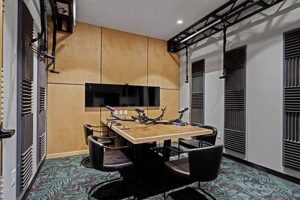
Suitable locations for academic work encompass a variety of environments conducive to concentration and knowledge acquisition. These areas can range from traditional libraries to more unconventional settings such as cafes or outdoor spaces. The suitability of a specific location depends on individual preferences, the nature of the material being studied, and the availability of necessary resources such as internet access and power outlets. For example, a student preparing for an exam might prefer a quiet, distraction-free environment, while someone engaged in creative writing might find inspiration in a bustling coffee shop.
The selection of an optimal study environment can significantly impact academic performance. A well-chosen location can foster focus, reduce procrastination, and enhance information retention. Historically, libraries have served as central hubs for learning, offering a vast collection of resources and a structured atmosphere. However, the increasing availability of digital resources and the diversification of learning styles have led to a broader range of accepted and utilized study environments. These varied options offer individuals the opportunity to tailor their surroundings to maximize their personal learning efficiency and comfort.
Therefore, subsequent sections will explore a range of potential learning environments, outlining their respective advantages and disadvantages. Factors such as noise levels, accessibility, resource availability, and the potential for collaboration will be considered. Furthermore, the article will address strategies for optimizing any location to create a productive and effective learning space.
Optimizing Scholastic Environments
This section provides guidance on selecting and adapting locations to maximize their effectiveness for academic pursuits. The objective is to foster focus, enhance comprehension, and improve overall learning outcomes.
Tip 1: Prioritize Environmental Control: A fundamental aspect of an effective learning environment is the ability to manage external distractions. This includes minimizing noise levels, regulating temperature, and ensuring adequate lighting. Consider utilizing noise-canceling headphones, adjusting thermostats, or employing task lighting to optimize these factors.
Tip 2: Ensure Resource Accessibility: Before commencing any academic endeavor, confirm that all necessary resources are readily available. This encompasses access to reliable internet connectivity, power outlets for electronic devices, and any physical materials required for the task at hand. Lacking these resources can impede progress and disrupt concentration.
Tip 3: Implement Organizational Strategies: Maintaining a structured and organized workspace is essential for efficient learning. Employ methods such as file management systems for digital documents, physical organization for textbooks and notes, and a clear separation of work and leisure areas. A decluttered environment promotes mental clarity and reduces the likelihood of distraction.
Tip 4: Schedule Regular Breaks: Sustained periods of intense concentration can lead to mental fatigue and diminished performance. It is crucial to incorporate regular breaks into the study schedule. These breaks should involve activities that promote relaxation and mental rejuvenation, such as short walks, stretching exercises, or mindful meditation.
Tip 5: Alternate Between Locations: Remaining in the same environment for extended durations can lead to monotony and decreased motivation. Consider alternating between different learning locations to maintain engagement and stimulate cognitive function. This could involve transitioning from a library to a coffee shop, or from an indoor setting to an outdoor space.
Tip 6: Assess Personal Preferences: Recognize and accommodate individual learning preferences when selecting a study environment. Some individuals thrive in quiet, solitary settings, while others benefit from the presence of background noise or the opportunity for social interaction. Tailoring the environment to align with personal preferences can significantly enhance productivity.
These strategies collectively aim to optimize any location for academic purposes, fostering a conducive atmosphere for learning and improving overall academic achievement.
The concluding section will summarize the key themes discussed and offer final recommendations for creating effective and personalized learning spaces.
1. Quiet Atmosphere
The availability of a quiet atmosphere exerts a significant influence on the suitability of various locations for academic work. A direct correlation exists between ambient noise levels and cognitive performance, particularly in tasks requiring sustained attention and complex information processing. Elevated noise levels contribute to distraction, impede focus, and ultimately diminish comprehension and retention of studied material. Consequently, locations characterized by reduced auditory stimuli are generally favored for intense study sessions. Examples include dedicated library study rooms, quiet corners in university buildings, or personally designated home offices. The effectiveness of these “places to go and study” hinges, in part, on their ability to provide an acoustic environment conducive to focused learning.
The establishment of a quiet atmosphere in “places to go and study” necessitates active management of auditory intrusions. This can involve physical modifications such as soundproofing materials, the strategic arrangement of furniture to buffer noise transmission, and the implementation of policies that discourage loud conversations or other disruptive sounds. Furthermore, individual users can employ personal strategies such as noise-canceling headphones or the use of white noise generators to create a more tranquil auditory environment. The practical significance of these noise-reduction measures is evident in the improved concentration and academic outcomes observed in students who actively manage the acoustic characteristics of their chosen study location.
In summary, the provision of a quiet atmosphere stands as a critical determinant in evaluating the suitability of “places to go and study”. While the ideal noise level may vary depending on individual preferences and the nature of the academic task, the principle of minimizing auditory distractions remains paramount. Achieving and maintaining a quiet atmosphere requires both environmental modifications and individual efforts, but the resultant gains in focus, comprehension, and overall academic performance underscore the practical value of prioritizing this essential aspect.
2. Resource Availability

The concept of “Resource Availability” is inextricably linked to the efficacy of “places to go and study.” The presence or absence of necessary resources directly impacts a student’s ability to engage with academic material, complete assignments, and achieve learning objectives. This encompasses both physical and digital resources. A location lacking adequate internet connectivity, for instance, immediately disqualifies it for students requiring online research or access to digital learning platforms. Similarly, a space devoid of power outlets presents a significant obstacle for individuals reliant on laptops or other electronic devices. The direct consequence of limited resource availability is often frustration, decreased productivity, and a compromised learning experience. A well-stocked university library, offering access to scholarly articles, reference materials, and study carrels equipped with power and network connections, exemplifies a location where resource availability is prioritized, thus enhancing its suitability as a study destination.
Beyond basic utilities, the specific academic discipline or task at hand dictates resource requirements. A student in engineering may necessitate access to specialized software or laboratory equipment, effectively limiting suitable “places to go and study” to designated engineering labs or computer facilities. Conversely, a student in the humanities might primarily require access to a comprehensive collection of books and a quiet reading area. Therefore, evaluating “places to go and study” involves a careful assessment of whether the available resources align with individual academic needs. Public libraries, for instance, often provide a diverse range of resources, including books, periodicals, digital databases, and printing services, making them versatile options for students across various disciplines. The practical application of this understanding involves proactively identifying and prioritizing locations that provide the required resources, thereby minimizing potential disruptions and maximizing study efficiency.
In summary, “Resource Availability” functions as a foundational pillar in determining the suitability of “places to go and study.” The tangible impact of this connection is evident in enhanced productivity, reduced frustration, and improved academic outcomes. While the specific resources required will vary depending on individual needs and academic pursuits, the principle of prioritizing locations that offer comprehensive resource access remains consistent. Challenges may arise when resources are limited or shared, necessitating proactive planning and resource management strategies. Ultimately, recognizing and addressing resource availability is a critical step in creating effective and personalized learning environments.
3. Comfort and Ergonomics
The principles of comfort and ergonomics directly impact the effectiveness of a location for academic endeavors. Prolonged engagement in scholastic activities necessitates environments that support physical well-being to minimize discomfort and maintain cognitive function.
- Posture and Support
Appropriate seating is paramount in ensuring proper posture and minimizing strain on the musculoskeletal system. Chairs with adjustable height, lumbar support, and adequate cushioning can mitigate back pain and promote sustained comfort during extended study sessions. The absence of such support can lead to discomfort, fatigue, and decreased concentration, rendering “places to go and study” inadequate.
- Workspace Arrangement
The layout of the workspace significantly affects physical comfort and efficiency. A well-organized workspace provides ample room for materials, minimizes the need for excessive reaching, and reduces the risk of repetitive strain injuries. Consider the placement of monitors, keyboards, and other peripherals to ensure optimal viewing angles and ergonomic positioning. Confined or cluttered “places to go and study” can contribute to stress and physical discomfort, hindering productivity.
- Lighting Conditions
Adequate and appropriate lighting is essential for reducing eye strain and preventing headaches. Natural light is often preferred, but artificial lighting should be sufficient to illuminate the workspace without glare or excessive brightness. Adjustable task lighting can provide targeted illumination for specific tasks. Poorly lit “places to go and study” can lead to visual fatigue and decreased concentration, negatively impacting learning outcomes.
- Environmental Control
Maintaining a comfortable temperature and humidity level is crucial for overall well-being and cognitive performance. Excessive heat or cold can lead to discomfort and distractibility. Adequate ventilation ensures air quality and prevents stuffiness. “Places to go and study” that lack environmental control can create an inhospitable and unproductive learning environment.
In summation, the consideration of comfort and ergonomics in the selection and arrangement of “places to go and study” is not merely a matter of preference but a fundamental component of effective learning. Neglecting these factors can lead to physical discomfort, decreased concentration, and ultimately, compromised academic performance. Prioritizing ergonomic principles and creating comfortable study environments are essential for fostering sustained focus and optimizing learning outcomes.
4. Reduced Distractions
A direct correlation exists between the level of distractions present in a given location and its suitability as a place for academic study. The ability to minimize interruptions, both auditory and visual, directly impacts concentration, information retention, and overall academic productivity. Environments characterized by frequent interruptions, such as public spaces with high foot traffic or shared workspaces with ongoing conversations, often prove detrimental to effective study. The underlying mechanism involves the cognitive resources required to process and filter out irrelevant stimuli, resources that would otherwise be devoted to the primary task of learning. Therefore, the presence of reduced distractions is not merely a desirable feature of effective study locations; it is a prerequisite for sustained focus and optimal cognitive performance. A library’s designated quiet zone, for example, aims to mitigate distractions, fostering an environment conducive to focused learning. The practical significance lies in the demonstrable improvements in student concentration and academic outcomes observed when distractions are minimized.
The implementation of strategies to mitigate distractions within “places to go and study” is essential. This includes both environmental modifications and behavioral adjustments. Environmental modifications may involve the use of noise-canceling headphones, the selection of study locations away from high-traffic areas, or the creation of designated study zones within a shared space. Behavioral adjustments encompass the conscious effort to limit exposure to distracting stimuli, such as social media notifications or unnecessary conversations. Students who proactively manage their study environment to minimize distractions often experience a marked improvement in their ability to focus and retain information. Conversely, those who fail to address the issue of distractions may find themselves struggling to concentrate, experiencing increased levels of frustration, and ultimately, achieving suboptimal academic results. A student who silences their phone, closes unnecessary browser tabs, and informs roommates of their need for uninterrupted study time exemplifies these behavioral adjustments.
In summary, the presence of reduced distractions is a critical determinant of the suitability of “places to go and study”. This requires both the selection of inherently less distracting environments and the proactive implementation of strategies to minimize interruptions. The challenges associated with managing distractions in an increasingly connected world necessitate a conscious and ongoing effort. Nevertheless, the benefits of reduced distractions, including enhanced concentration, improved information retention, and increased academic productivity, underscore the importance of prioritizing this element in the pursuit of effective learning. This consideration links directly to the broader theme of optimizing study environments to maximize academic potential.
5. Accessibility/Location

The proximity and ease of reaching scholastic environments exert considerable influence on their utilization and perceived value as “places to go and study.” The logistical considerations of travel time, transportation options, and physical access are crucial determinants in shaping student choices and academic routines. A location’s accessibility, or lack thereof, can directly impact student motivation, attendance, and overall engagement with academic material.
- Geographic Proximity to Residences
The distance between residential areas and potential study locations is a significant factor in accessibility. Locations within walking or cycling distance are often preferred due to the reduced time and expense associated with transportation. Conversely, locations requiring lengthy commutes via public transportation or personal vehicles may be less appealing, particularly for students with limited time or resources. The presence of readily accessible study locations near student housing or residential neighborhoods promotes more frequent and convenient engagement with academic pursuits. For instance, a university library situated centrally on campus, easily reachable from dormitories and classrooms, exemplifies this principle.
- Availability of Transportation Options
The presence of reliable and affordable transportation options directly impacts the accessibility of study locations. Public transportation systems, including buses, trains, and trams, can provide convenient access to distant locations. The availability of parking facilities for personal vehicles is also a crucial consideration for students who commute. Locations with limited or expensive parking may deter students from utilizing them as study spaces. Universities that offer subsidized public transportation passes or provide ample parking facilities enhance the accessibility of their on-campus resources, encouraging greater student utilization of “places to go and study” such as libraries and study centers.
- Physical Accessibility for Individuals with Disabilities
The physical design of study locations must accommodate individuals with disabilities to ensure equitable access. This includes features such as ramps, elevators, accessible restrooms, and designated study spaces equipped with assistive technology. Locations that lack these features may exclude individuals with mobility impairments or other disabilities, limiting their access to essential academic resources. Universities and libraries are increasingly prioritizing universal design principles to create inclusive environments that are accessible to all students, regardless of their physical abilities. Ensuring that “places to go and study” are physically accessible is a fundamental aspect of promoting inclusivity and equal opportunity in education.
- Safety and Security Considerations
The perceived safety and security of a location can influence its attractiveness as a study destination. Locations with well-lit pathways, security personnel, and surveillance systems may provide a greater sense of security, particularly during evening hours. Conversely, locations perceived as unsafe or isolated may deter students from utilizing them, especially after dark. Universities and municipalities often invest in security measures to enhance the safety of public spaces, encouraging students to utilize “places to go and study” without concerns about personal safety. The perception of safety, coupled with visible security measures, contributes to creating a more welcoming and accessible learning environment.
The cumulative effect of these accessibility considerations shapes student decisions regarding the selection of “places to go and study”. Locations that are geographically convenient, easily accessible via transportation, physically accommodating to individuals with disabilities, and perceived as safe are more likely to be utilized and valued as effective learning environments. Conversely, locations that present logistical challenges or safety concerns may be avoided, regardless of their other merits. Therefore, optimizing accessibility is crucial for maximizing the utilization and impact of academic resources and promoting equitable access to educational opportunities.
6. Personal Preference
Individual predilections exert a profound influence on the selection and utilization of “places to go and study.” The subjective nature of learning preferences necessitates a nuanced understanding of how individual characteristics intersect with environmental attributes to optimize academic performance.
- Preferred Sensory Environment
Individuals exhibit varying sensitivities to sensory stimuli, including noise levels, lighting conditions, and temperature. Some individuals thrive in quiet, isolated environments characterized by minimal auditory and visual distractions, while others find stimulation and focus in busier, more vibrant settings. The selection of “places to go and study” often reflects these sensory preferences. For instance, a student sensitive to noise may opt for a secluded library carrel, while another may prefer the ambient sounds of a coffee shop. The alignment of the sensory environment with individual preferences can significantly impact concentration and cognitive function. Misalignment, conversely, can lead to discomfort, distractibility, and reduced productivity.
- Social Interaction Preferences
The degree to which an individual prefers social interaction during study sessions influences their choice of learning environment. Some individuals prefer solitary study, finding that interaction with others disrupts their focus and impedes their progress. These individuals may gravitate towards secluded study spaces or utilize individual study rooms. Conversely, others benefit from collaborative learning and may seek out environments that facilitate interaction with peers, such as group study rooms or common areas. The inherent need for social interaction, or the lack thereof, is a critical factor shaping the suitability of “places to go and study.” A student participating in a group project, for example, would likely benefit from a location designed for collaborative work, while a student preparing for an individual exam might prefer a solitary environment.
- Preferred Study Style and Structure
Individual learning styles and organizational preferences significantly influence the selection of “places to go and study.” Some individuals thrive in structured environments with clearly defined rules and expectations, such as traditional libraries. These locations provide a predictable and consistent atmosphere conducive to focused study. Other individuals prefer more flexible and adaptable environments, allowing for greater autonomy and self-direction. These individuals may opt for unconventional study locations, such as cafes or outdoor spaces, where they can tailor their surroundings to suit their individual needs. The alignment of the study environment with individual learning styles and organizational preferences promotes a sense of comfort, control, and ultimately, enhanced learning outcomes. A student who benefits from visual aids may prefer a location with readily available whiteboards or presentation screens.
- Personal Comfort and Psychological Association
Subjective feelings of comfort, safety, and psychological association play a crucial role in shaping preferences for “places to go and study.” Locations that evoke positive memories, feelings of inspiration, or a sense of personal connection may be particularly conducive to learning. Conversely, locations associated with negative experiences or feelings of stress may be avoided, regardless of their objective attributes. The psychological impact of the environment on an individual’s mood, motivation, and overall well-being is a key determinant of its suitability as a study location. For example, a student who has consistently achieved academic success in a particular library may develop a strong psychological association with that location, leading to a heightened sense of comfort and confidence during future study sessions.
These facets of personal preference, while subjective, are critical components in creating effective and personalized learning environments. The deliberate selection of “places to go and study” that align with individual sensory sensitivities, social interaction preferences, learning styles, and psychological associations can significantly enhance academic engagement, motivation, and overall success. Conversely, disregarding these individual preferences can lead to discomfort, frustration, and suboptimal learning outcomes, underscoring the importance of a student-centered approach to optimizing scholastic environments.
Frequently Asked Questions
The following addresses common inquiries regarding the selection and adaptation of environments to maximize their efficacy for academic endeavors. It provides concise answers based on established research and best practices.
Question 1: What constitutes an optimal environment for scholastic pursuits?
An environment conducive to academic pursuits is one that minimizes distractions, provides access to necessary resources, supports physical comfort, and aligns with individual learning preferences. These elements contribute to enhanced concentration and improved learning outcomes.
Question 2: How can noise levels be effectively managed within study locations?
Noise levels can be managed through environmental modifications such as soundproofing materials, the strategic arrangement of furniture, and the implementation of policies that discourage disruptive sounds. Individuals may also employ noise-canceling headphones or white noise generators.
Question 3: What resources should be considered when evaluating the suitability of a potential study location?
The required resources depend on the nature of the academic task, but typically include reliable internet connectivity, power outlets for electronic devices, access to relevant library materials or digital databases, and suitable writing surfaces.
Question 4: How does physical comfort impact academic performance?
Physical discomfort can lead to distraction, fatigue, and decreased concentration. Ergonomic seating, adequate lighting, and environmental control are essential for maintaining physical well-being during extended study sessions. These factors are often overlooked when seeking out “places to go and study”.
Question 5: What strategies can be employed to minimize distractions in busy environments?
Distractions can be minimized through conscious effort to limit exposure to distracting stimuli, such as social media notifications or unnecessary conversations. Environmental modifications may also include the use of noise-canceling headphones or the selection of study locations away from high-traffic areas.
Question 6: How does personal preference influence the selection of an ideal study location?
Individual sensory sensitivities, social interaction preferences, learning styles, and psychological associations all contribute to the subjective experience of a study environment. Aligning the environment with these individual preferences can significantly enhance academic engagement and motivation.
The answers provided underscore the multifaceted nature of creating effective study environments. A holistic approach, encompassing environmental modifications, resource management, and individual preference considerations, is essential for optimizing academic performance.
The next section will delve into specific examples of “places to go and study,” highlighting their respective strengths and weaknesses based on the principles discussed.
Places to Go and Study
This exploration has underscored the multifaceted nature of selecting effective scholastic environments. The suitability of “places to go and study” is contingent upon a complex interplay of factors encompassing environmental attributes, resource availability, and individual preferences. Consideration must be given to elements such as noise levels, accessibility, ergonomic support, and the mitigation of distractions. A comprehensive assessment of these variables is essential for optimizing learning outcomes and fostering a conducive atmosphere for academic pursuits. A single, universally ideal setting is unattainable; rather, the optimal choice is highly individualized and task-dependent.
The conscious application of the principles discussed herein holds the potential to significantly enhance the efficacy of academic endeavors. Selecting an environment that aligns with individual needs and promotes focused concentration is a proactive step toward achieving scholastic success. The ongoing evaluation and adaptation of study locations, in response to evolving academic demands and personal preferences, is crucial for sustaining a productive and fulfilling learning experience. Therefore, informed decision-making regarding “places to go and study” represents a critical investment in academic potential, with lasting implications for intellectual development and professional advancement.

![Best Music Studio Package [Beginner to Pro Guide] | Study Travel Abroad | Explore Educational Trips & Global Learning Opportunities](https://studyhardtravelsmart.com/wp-content/uploads/2026/04/th-565-300x200.jpg "Best Music Studio Package [Beginner to Pro Guide] Study Travel Abroad | Explore Educational Trips & Global Learning Opportunities")