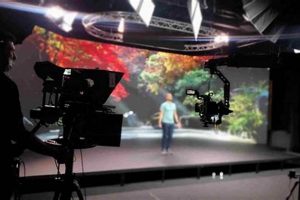
The term for a “studio” in Spanish can be conveyed through various words, with “estudio” being the most direct and commonly used translation. “Estudio” as a noun refers to a room or space used for artistic, professional, or vocational work. For example, “un estudio de arte” means an art studio, and “un estudio de grabacin” signifies a recording studio.
Understanding the translation of a workspace dedicated to creation or production is crucial for clear communication and accurate interpretation within Spanish-speaking contexts. Whether discussing art, music, or professional endeavors, using the correct terminology avoids ambiguity and ensures that the intended meaning is conveyed effectively. Historically, these spaces have served as hubs for innovation and creativity, contributing significantly to cultural and economic development.
The following sections will delve into specific types of these spaces, their uses, and relevant vocabulary associated with them, providing a comprehensive understanding of the term and its applications.
Consejos sobre el “estudio”
This section provides guidance on understanding and utilizing the Spanish term for “studio” effectively.
Tip 1: Differentiate “estudio” from other similar words: While “estudio” is the primary translation, be aware that “taller” can also mean “studio,” especially in the context of a workshop or artisan’s studio. For example, a mechanic’s “studio” would more accurately be a “taller mecnico.”
Tip 2: Use adjectives to specify the type of “estudio”: Add an adjective to clarify the purpose of the space. “Estudio fotogrfico” denotes a photography studio, while “estudio de arquitectura” means an architecture studio.
Tip 3: Pay attention to regional variations: In some Latin American countries, alternative terms might be preferred. While “estudio” is widely understood, researching local usage can enhance communication accuracy.
Tip 4: Employ “estudio” in broader contexts: The word can extend beyond physical spaces to refer to academic studies or research. For instance, “un estudio sobre el cambio climtico” translates to “a study on climate change.”
Tip 5: Verify grammatical gender: “Estudio” is a masculine noun, so ensure agreement with articles and adjectives: “el estudio,” “un estudio,” “este estudio moderno.”
Tip 6: Avoid direct translation in all cases: Sometimes, the English concept of “studio” is best rendered using a different phrase in Spanish. For example, a small apartment marketed as a “studio apartment” might be described as “apartamento de un ambiente” (one-room apartment).
Utilizing these tips ensures accurate and effective communication when discussing or referencing workspaces and academic endeavors in Spanish.
Next, the article will conclude with a summary of the core aspects covered.
1. Estudio

The direct correlation between “estudio” as the main translation and the phrase “studio in Spanish” underscores the foundational aspect of this word in conveying the concept. “Estudio” serves as the linguistic cornerstone when referring to a workspace dedicated to creative, professional, or academic activities in Spanish. The impact of correctly using “estudio” ensures immediate comprehension by native speakers. For instance, misusing “taller” when referring to a painter’s workspace (“estudio de pintura”) can introduce confusion, though “taller” may refer to a workshop, “estudio” accurately depicts the space.
The importance of “estudio” becomes evident in various practical scenarios. When searching for “studio apartments in Spain” online, employing “estudios en Espaa” yields more relevant results compared to a literal translation using “taller.” In professional contexts, stating “trabajo en un estudio de arquitectura” (I work in an architectural studio) directly and unequivocally communicates one’s occupation. Conversely, the phrase can broaden to include areas of research or consideration such as: “estudio de mercado”, which would generally translate to “market research”, however the term “estudio” still fits for the meaning “to review”. The understanding of “estudio” ensures proper use of the term in practical situations.
In summary, “estudio” is essential for effective and accurate communication. Correct usage demonstrates linguistic competence and facilitates clear understanding, bridging the gap between English and Spanish speakers when referring to these types of dedicated spaces. Challenges may arise when encountering regional variations or specialized terminology, but the grounding provided by “estudio” offers a solid base for interpreting and conveying intended meaning in most contexts. The correct usage of the term relates closely to “studio in spanish” and helps to avoid a potential miscommunication.
2. Taller

The term “taller” within the realm of “studio in Spanish” warrants careful consideration, as it represents a specific subset of workspaces distinct from the more general “estudio.” While “estudio” often implies spaces for intellectual or artistic pursuits, “taller” signifies a workshop, typically associated with manual labor, craft production, or mechanical work.
- Nature of Activity
The primary differentiator lies in the nature of the activity conducted. A “taller” is characterized by hands-on production, repair, or fabrication. Examples include a “taller mecnico” (mechanic’s workshop), a “taller de carpintera” (carpentry workshop), or a “taller de costura” (sewing workshop). The emphasis is on physical manipulation of materials and the creation of tangible objects.
- Level of Specialization
Workshops often require specialized equipment and trained personnel to operate machinery or perform specific techniques. A “taller de joyera” (jewelry workshop), for instance, necessitates tools for metalworking and expertise in jewelry design and fabrication. This contrasts with “estudios” that might accommodate more general artistic or creative endeavors.
- Industrial Context
In an industrial setting, “taller” can refer to a section of a factory or manufacturing plant where a particular stage of production occurs. This usage aligns with the concept of a workshop as a place where things are made or repaired on a larger scale. The term “planta de taller” might denote the shop floor within a factory.
- Educational Applications
Beyond physical spaces, “taller” can also describe a workshop in the sense of a learning environment, such as a “taller de escritura” (writing workshop). Here, the emphasis shifts to the development of practical skills through interactive learning and collaboration. Even in this context, the focus remains on applied knowledge and hands-on experience, distinguishing it from a more theoretical “estudio.”
The nuanced distinction between “taller” and “estudio” is crucial for accurate translation and comprehension within Spanish-speaking environments. Selecting the appropriate term ensures that the specific characteristics and activities associated with a given workspace are effectively conveyed, avoiding potential misunderstandings. When considering “studio in Spanish,” always assess whether the activity aligns more closely with the hands-on, production-oriented nature of a “taller” versus the broader application of an “estudio”.
3. Espacio

The concept of “espacio” as a general space forms an essential foundation when exploring “studio in Spanish.” The word “espacio” (space) underscores the fundamental physical requirement for any studio, irrespective of its specific purpose. Without a designated “espacio,” the creation of an “estudio” or “taller” is impossible. This space serves as the container for activities, equipment, and personnel, influencing the overall functionality and effectiveness of the creative or productive process. The size, layout, and characteristics of this “espacio” directly impact the type of work that can be undertaken.
Considering real-life examples highlights the practical significance. An artist’s “estudio,” for instance, necessitates sufficient “espacio” for easels, canvases, and storage. A recording “estudio” requires acoustically treated “espacio” to ensure optimal sound quality. A “taller mecnico” demands “espacio” for vehicles, tools, and repair operations. In each scenario, the adequacy and organization of the “espacio” are critical determinants of success. Poorly planned or insufficient “espacio” can impede workflow, limit creativity, and compromise safety. Conversely, well-designed “espacio” enhances productivity, fosters innovation, and promotes a positive work environment.
Understanding “espacio” as an integral component of “studio in Spanish” enables informed decision-making when designing, selecting, or managing workspaces. It prompts consideration of factors such as natural light, ventilation, accessibility, and ergonomic design. Challenges may arise in urban environments where “espacio” is limited and costly, necessitating creative solutions to maximize functionality. By recognizing the fundamental importance of “espacio,” individuals and organizations can create environments that effectively support their artistic, professional, or vocational goals, thereby strengthening the connection between the term and its real-world application in Spanish-speaking contexts.
4. Diseo

The concept of “diseo” (design) carries significant implications for the understanding and functionality of a “studio in Spanish.” The design of a “estudio” or “taller” directly affects its usability, efficiency, and overall effectiveness. The layout, organization, and aesthetics of a workspace are not merely cosmetic considerations; they fundamentally shape the way individuals interact with the space and perform their tasks. Therefore, the “diseo” of these spaces should be approached strategically, with a clear understanding of the activities that will take place within them and the specific needs of the users. Effective design leads to increased productivity, enhanced creativity, and improved overall satisfaction. Conversely, poorly conceived design can hinder workflow, create safety hazards, and diminish the quality of work produced.
Practical examples illustrate the importance of these design implications. An architectural “estudio,” for example, requires a design that facilitates collaboration, provides ample natural light for drafting, and includes dedicated spaces for meetings and presentations. The arrangement of desks, drafting tables, and storage areas should promote efficient workflow and minimize distractions. Similarly, a photography “estudio” demands careful consideration of lighting, acoustics, and background options. The design must allow for versatility and control over the visual environment to create the desired aesthetic for each shoot. The cause and effect relationship is direct: thoughtful design enables superior work, while haphazard design compromises output. Even the selection of furniture, color palettes, and materials contributes to the overall atmosphere and influences the creative process. For “taller”, “diseo” is related to equipment and tools organization, accessibility, ergonomics to reduce risk of incidents. It is key for a safety-conscious environment.
In summary, “diseo” is a critical component of any “studio in Spanish,” whether it is an artistic “estudio,” a professional “taller,” or an academic workspace. The principles of effective design should be applied thoughtfully to create environments that optimize productivity, foster creativity, and promote user well-being. Challenges arise when balancing aesthetic considerations with practical requirements, but a thorough understanding of the activities that will occur within the space and the needs of the users is essential for achieving a successful design outcome. This focus on “diseo” ensures that the “studio” functions not merely as a space, but as a strategic asset that contributes to the success of its occupants.
5. Arte

The concept of “arte” (art) holds a central position within the domain of “studio in Spanish”, as artistic pursuits frequently necessitate specialized workspaces tailored to creative endeavors. These “estudios de arte” range from painting and sculpture studios to photography and digital art environments, each demanding unique design considerations.
- Creation Space
The primary role of an artistic studio is to provide a dedicated space for the creation of art. This space must accommodate the specific needs of the artist’s chosen medium, including adequate lighting, ventilation, and storage. For example, a painter’s studio requires ample natural light and a well-ventilated area to manage fumes from paints and solvents, while a sculptor’s studio needs sturdy flooring and sufficient space for large-scale projects. The studio functions as a sanctuary where artists can experiment, develop their skills, and produce their work, free from distractions and equipped with the necessary tools and resources.
- Exhibition Potential
Beyond creation, some artistic studios also serve as exhibition spaces, allowing artists to showcase their work directly to the public. This dual function can transform the studio into a gallery or open-studio environment, blurring the lines between production and presentation. Such studios often require additional design considerations, such as adjustable lighting, display walls, and seating areas for visitors. In Spain, many artists’ studios open to the public during local art walks or festivals, providing a valuable opportunity for engagement with the community and potential sales of their work.
- Learning and Instruction
Many “estudios de arte” function as learning environments, where artists teach workshops, classes, or private lessons. These studios must be equipped with multiple workstations, demonstration areas, and instructional tools, creating a space conducive to both individual practice and group learning. For example, a pottery studio might include several pottery wheels, kilns, and a demonstration table for the instructor. The learning environment emphasizes the transmission of skills, techniques, and artistic knowledge from experienced practitioners to aspiring artists, fostering the next generation of creatives.
- Business operations
The artistic “estudio” is often a place for more than just the execution of art. Many are also used for the business operations involved, such as photographing work to market, emailing buyers, and packaging work for shipment. In this sense the “estudio” is also an office space.
In essence, the “estudio de arte” is a multifaceted space that serves as a creative haven, exhibition venue, and instructional hub. Its design and functionality are paramount to the artistic process, influencing the quality, quantity, and accessibility of the work produced. Understanding the diverse roles of the artistic studio within the broader context of “studio in Spanish” is essential for appreciating the richness and complexity of creative endeavors.
6. Grabacin

The term “grabacin” (recording) is intrinsically linked to the concept of “studio in Spanish,” particularly when referring to a “estudio de grabacin” or recording studio. The primary function of such a space is the capture and manipulation of sound, necessitating a carefully designed environment optimized for acoustic performance. This connection between recording purpose and studio design is causal; the intended use directly dictates the architectural and technological considerations. Without the explicit purpose of “grabacin,” the specialized features of a recording studio become irrelevant. The acoustic treatment, soundproofing, and equipment configuration are all geared towards facilitating high-quality audio capture. For example, the thick walls and angled surfaces of a “estudio de grabacin” minimize unwanted reflections and reverberations, ensuring a clean and accurate recording. The isolation booths provide separate spaces for vocalists or instrumentalists, preventing sound bleed and allowing for greater control during the mixing process. Microphones, mixing consoles, and digital audio workstations (DAWs) are essential tools for capturing, processing, and editing sound.
The importance of understanding “grabacin” as a central element of “studio in Spanish” stems from the practical application of this knowledge in diverse contexts. When searching for recording services in a Spanish-speaking country, using the term “estudio de grabacin” ensures that the search results are relevant to the intended need. In professional settings, the accurate identification and utilization of recording studios is crucial for musicians, voice-over artists, and audio engineers. A practical application can be seen in the film industry, where dialogue is often rerecorded in a controlled environment within a recording “estudio.” Another use case relates to marketing where voice over work can be recorded for radio and television ads. Without such control over the recording environment, dialogue might not be clearly audible, leading to an ineffective film. This emphasizes the need for a space where “grabacin” (recording) and the intended “estudio” merge.
In conclusion, the connection between “grabacin” and “studio in Spanish” represents a symbiotic relationship, where the purpose of recording shapes the design and functionality of the space. Challenges may arise when adapting existing spaces for recording purposes, requiring careful acoustic analysis and treatment. However, a clear understanding of the principles of “grabacin” and its relationship to “studio” design is essential for creating environments that facilitate high-quality audio capture and manipulation. This connection strengthens the link between “studio in spanish” and the desired purpose of “grabacin.”
7. Acadmico
The academic setting provides a unique context for understanding “studio in Spanish,” extending beyond mere physical spaces to encompass environments dedicated to learning, research, and creative development within educational institutions. These spaces, termed “estudios” in Spanish, serve as hubs for intellectual and artistic exploration, shaping the educational experience and contributing to the advancement of knowledge. The deliberate design and functionality of these “estudios” within an academic environment are crucial for fostering critical thinking, collaboration, and innovation.
- Teaching Spaces
Academic “estudios” often function as teaching spaces, facilitating interactive learning and skill development. These spaces may include art studios, music rooms, or design labs, equipped with specialized equipment and resources to support hands-on instruction. For example, an architecture “estudio” in a university provides drafting tables, model-building tools, and computer workstations for students to learn the principles of architectural design. The layout and organization of these spaces promote active engagement and peer learning, enhancing the overall educational experience. The term “aula de estudio” may refer to a classroom or study hall.
- Research Labs
Many academic “estudios” are dedicated to research, providing dedicated space for scientific investigation and experimentation. These labs may be equipped with advanced instruments, data analysis tools, and collaborative workspaces to support faculty and student research projects. A biology “estudio” in a research institution may house microscopes, centrifuges, and cell culture facilities for conducting biomedical research. These labs foster innovation and contribute to the advancement of scientific knowledge. The presence of these “estudios” can attract funding for research and development within the institution. This “estudio” also attracts future students looking to participate in these kinds of experiments.
- Study Areas
Academic institutions also provide “estudios” as dedicated study areas, offering quiet and comfortable environments for students to focus on their coursework. These spaces may include libraries, reading rooms, or individual study carrels, designed to minimize distractions and promote concentration. Well-lit and ergonomically designed study areas contribute to student success and academic achievement. These “estudios” are often available to students during extended hours, providing a valuable resource for completing assignments and preparing for exams. The rise in online classes has also increased the need for these “estudios” where students can attend classes remotely.
- Creative Spaces
Academic “estudios” can also function as creative spaces, fostering artistic expression and innovation across various disciplines. These spaces may include writing centers, media labs, or performance venues, providing students with opportunities to develop their creative skills and showcase their talents. A film “estudio” at a university may offer cameras, editing software, and sound recording equipment for students to produce their own films. These studios encourage experimentation, collaboration, and interdisciplinary learning, enriching the academic experience and preparing students for careers in the creative arts. The term “clase de estudio” may refer to time where the “estudio” or creative work is conducted.
In conclusion, the academic setting provides a multifaceted context for understanding “studio in Spanish,” encompassing teaching spaces, research labs, study areas, and creative spaces. These “estudios” play a vital role in shaping the educational experience, fostering critical thinking, promoting collaboration, and driving innovation. The design and functionality of these spaces should be carefully considered to optimize their effectiveness and support the academic mission of the institution.
Frequently Asked Questions about “Studio in Spanish”
This section addresses common inquiries and potential ambiguities related to the translation and application of the term “studio in Spanish.” The information provided aims to clarify various aspects and nuances for accurate understanding and usage.
Question 1: What is the most accurate translation of “studio” in Spanish?
The most direct and generally accepted translation is “estudio.” However, the specific context determines the most appropriate term. For instance, a workshop may be better translated as “taller.”
Question 2: Does the gender of the Spanish word “estudio” affect its usage?
Yes, “estudio” is a masculine noun, requiring masculine articles and adjectives. Correct usage would be “el estudio” or “un estudio,” not “la estudio” or “una estudio.”
Question 3: When should I use “taller” instead of “estudio”?
“Taller” is appropriate when referring to a workshop environment involving manual labor, craft production, or mechanical work. Examples include a “taller mecnico” (mechanic’s workshop) or a “taller de carpintera” (carpentry workshop).
Question 4: Can “estudio” refer to academic pursuits, or is it solely for physical spaces?
The term “estudio” extends beyond physical locations to include academic studies or research. For example, “un estudio sobre el cambio climtico” refers to a study on climate change.
Question 5: Are there regional variations in the use of “estudio” within Spanish-speaking countries?
While “estudio” is widely understood, some regional variations may exist. Researching local usage can enhance communication accuracy. In some Latin American countries, alternative terms might be preferred for specific types of workspaces.
Question 6: How does “diseo” (design) relate to “estudio” in Spanish?
The design of a “estudio” is critical to its functionality and effectiveness. Careful consideration of layout, lighting, and equipment placement is essential for optimizing productivity and creativity within the space. Thoughtful “diseo” results in a more efficient and conducive work environment.
In essence, “estudio in Spanish” is nuanced and context-dependent, and the answers here provide a brief overview on the matter. Consideration of its use will lead to a strong understanding of the subject.
The following section concludes with a summary of the covered topics.
Conclusion
This article has explored the multi-faceted concept of “studio in Spanish,” dissecting its core components and practical applications. The analysis encompassed the primary translation (“estudio”), the contextual alternative (“taller”), and the foundational concept of “espacio.” Furthermore, the implications of “diseo” were examined alongside specific instantiations related to “arte,” “grabacin,” and the “acadmico” setting. Each of these elements contributes to a comprehensive understanding of the term and its appropriate utilization in various scenarios.
The nuanced landscape of “studio in Spanish” demands careful consideration of context and intent. Continued exploration and mindful application of these principles will promote accurate communication and facilitate deeper engagement with Spanish-speaking communities. By understanding the diverse facets of this term, individuals can effectively navigate the linguistic and cultural nuances associated with workspaces and creative endeavors in the Spanish language.