The curriculum for fourth-grade social studies typically introduces students to fundamental concepts in geography, history, civics, and economics, often focusing on the state or region in which they reside. Students learn about map skills, landforms, climate, and natural resources. For example, a student in California might study the state’s diverse geography, ranging from coastal regions to deserts and mountains.
Exposure to these topics at this age provides a foundation for understanding the world around them. It fosters critical thinking skills as they analyze information and draw conclusions about historical events, geographical influences, and societal structures. A localized focus helps students connect personally with the content, making it more relatable and memorable, and sparking an interest in further exploration of history and civics.
Consequently, fourth-grade studies often include state history, significant historical figures, and the development of local government. The structure of the state government, the rights and responsibilities of citizens, and the impact of key economic activities are also explored. This knowledge establishes a base for future comprehension of national and global issues.
Fourth-Grade Social Studies
To enhance a student’s experience and comprehension in the subject matter of fourth-grade social studies, consider the following strategies, designed to build knowledge and engagement.
Tip 1: Emphasize Map Skills. Geographic literacy is foundational. Encourage the use of maps, globes, and atlases to visualize locations and understand spatial relationships. For example, trace the route of early explorers using a map to enhance comprehension of historical events.
Tip 2: Connect Learning to Real-Life Experiences. Relate social studies concepts to the students own community. Visit local historical sites or museums. Research the history of local businesses or landmarks to illustrate how social studies impacts daily life.
Tip 3: Utilize Primary Source Documents. Introduce age-appropriate excerpts from diaries, letters, and historical documents. These sources provide authentic perspectives on historical events and help students develop critical thinking skills.
Tip 4: Integrate Visual Aids. Incorporate images, videos, and interactive simulations to enhance understanding. Visual aids can make abstract concepts more concrete and engaging.
Tip 5: Encourage Active Learning. Facilitate discussions, debates, and role-playing activities to promote active participation and critical thinking. For instance, simulate a town hall meeting to explore different perspectives on local issues.
Tip 6: Support Research Projects. Assign research projects that allow students to explore topics of interest in depth. Encourage students to use a variety of sources and present their findings in a clear and organized manner.
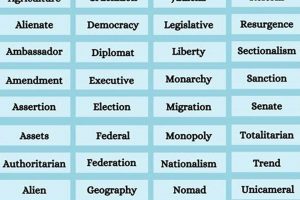
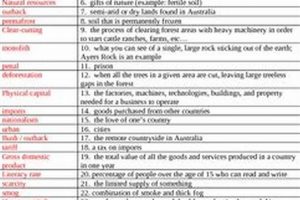
Tip 7: Reinforce Vocabulary. Social studies involves specific terminology. Regularly review and reinforce key vocabulary terms to ensure comprehension.
By implementing these strategies, educators and parents can foster a deeper understanding and appreciation for the topics covered during studies, laying a solid foundation for future learning in history, geography, civics, and economics.
These suggestions seek to promote a positive learning environment, cultivating a strong foundation in the field of this subject matter.
1. State History

The study of state history forms a critical component of fourth-grade social studies curricula. It provides a localized context for understanding broader historical trends and civic principles, enabling students to connect abstract concepts to their immediate environment.
- Key Events and Figures
State history typically introduces pivotal events and influential figures that shaped the state’s development. This includes explorations, settlements, conflicts, and periods of economic and social change. Learning about these specific instances helps students understand the unique trajectory of their state and its contribution to the nation. For example, studying the California Gold Rush illuminates the economic and demographic transformations within that state.
- Impact on Local Culture and Traditions
State history explores the evolution of local culture, traditions, and customs. This includes the influence of indigenous populations, immigrant groups, and various historical events. Understanding these cultural influences allows students to appreciate the diversity within their state and how different groups have contributed to its identity. For example, learning about the influence of Spanish culture in the Southwest provides insight into the region’s architecture, language, and traditions.
- Foundation for Civic Understanding
State history often delves into the establishment of the state’s government, its constitution, and the roles of different branches. This provides a foundational understanding of civic principles, rights, and responsibilities. Learning about the state’s historical struggles for justice and equality fosters a sense of civic engagement. For instance, examining the history of the Civil Rights Movement in specific states highlights the ongoing pursuit of equality and justice.
- Economic Development and Resource Management
The curriculum explores the historical development of the state’s economy, including key industries, trade routes, and resource management practices. Understanding these historical economic forces helps students analyze current economic challenges and opportunities facing the state. Studying the history of agriculture in the Midwest, for example, offers insight into the region’s identity and economic significance.
By examining these facets of state history, fourth-grade social studies empowers students to understand their connection to their state, appreciate its unique identity, and develop a sense of civic responsibility. This localized knowledge serves as a crucial foundation for comprehending national and global issues in later grades.
2. Map Skills

Map skills are an integral component of fourth-grade social studies curricula, serving as a fundamental tool for understanding geography, history, and civics. The ability to interpret maps enables students to visualize locations, understand spatial relationships, and analyze geographic patterns. These skills are essential for contextualizing historical events, comprehending the distribution of resources, and understanding the interactions between people and their environment. For example, in studying the westward expansion of the United States, students utilize maps to trace routes, identify geographic barriers, and understand the distribution of settlements. The absence of map skills would hinder a student’s ability to grasp the complexities of this historical period and its impact on the landscape.
The application of these skills extends beyond the classroom. Map skills are crucial for navigating unfamiliar environments, understanding current events, and engaging in informed discussions about global issues. For instance, understanding map projections and scales helps students interpret news reports about international conflicts or natural disasters, allowing them to critically assess the information presented. Furthermore, the ability to use maps to analyze demographic data allows students to understand population trends, urbanization patterns, and the distribution of resources within a region.
In summary, the development of map skills in fourth-grade social studies is not merely an academic exercise; it is a crucial step in fostering geographic literacy and critical thinking. Challenges may arise in teaching map skills to students with diverse learning styles or those lacking prior exposure to maps. Overcoming these challenges requires employing diverse teaching methods, such as hands-on activities, interactive simulations, and real-world examples. By mastering map skills, students gain a valuable tool for understanding the world around them and becoming informed, engaged citizens.
3. Local Government

The study of local government in fourth-grade social studies provides a foundational understanding of civic structure and its direct impact on daily life. Students learn the basic organization of their city or county government, including the roles of elected officials such as mayors, council members, and school board members. This knowledge enables students to identify the individuals responsible for providing essential services like public safety, sanitation, and education. For example, understanding the role of the local police department helps students appreciate the importance of law enforcement in maintaining community safety, while knowledge of the school board clarifies the decision-making process within the education system.
The curriculum often explores the processes by which local laws and policies are made. Students may learn about town hall meetings, public hearings, and the role of citizen input in shaping local decisions. This understanding fosters a sense of civic responsibility and encourages students to engage in local issues. For instance, a class project might involve researching a proposed local ordinance and writing letters to elected officials expressing their opinions. This hands-on experience demonstrates the power of citizen participation and the importance of being informed about local affairs.
In essence, the study of local government in fourth grade serves to demystify the workings of civic institutions and empower students to become active and informed members of their community. While challenges may arise in simplifying complex governmental processes, effective teaching strategies utilize real-world examples, simulations, and guest speakers to make the material engaging and accessible. By fostering a basic understanding of how local government operates, fourth-grade social studies lays the groundwork for future civic engagement and responsible citizenship.
4. Civic Responsibility

Instruction in fourth-grade social studies establishes the foundational understanding of civic responsibility. This curriculum emphasizes the roles and duties of individuals within their community and the broader society, shaping future participation in democratic processes.
- Understanding Laws and Rules
Fourth-grade students learn that laws and rules are designed to maintain order, protect rights, and ensure fairness within a society. They explore the purpose of laws at various levels, from classroom rules to local ordinances. Understanding the rationale behind these regulations fosters respect for authority and an appreciation for the need to abide by established guidelines. An example would include studying traffic laws and the consequences of disregarding them, leading to an understanding of personal responsibility and public safety.
- Participating in Community Affairs
The curriculum promotes active participation in community affairs, emphasizing the importance of contributing to the well-being of one’s neighborhood and town. Students learn about various ways to engage, such as volunteering, participating in local events, and expressing opinions on community issues. An example is a class project focused on cleaning up a local park, demonstrating the direct impact of individual actions on the environment and community pride.
- Respecting the Rights of Others
A key element of civic responsibility is respecting the rights and freedoms of all individuals. Fourth-grade instruction underscores the importance of treating others with dignity and fairness, regardless of their background or beliefs. Students learn about the principles of tolerance, empathy, and inclusivity. Studying historical examples of discrimination and inequality helps students recognize the importance of upholding human rights and challenging prejudice. An example would be discussing the importance of treating everyone fairly, regardless of their ethnicity or religion.
- Understanding the Importance of Voting
While fourth graders are not yet eligible to vote, the curriculum introduces the concept of voting as a fundamental right and responsibility in a democratic society. Students learn about the process of elections, the role of elected officials, and the importance of informed decision-making. Engaging in mock elections or studying historical voting rights movements helps students appreciate the significance of citizen participation in shaping government. An example might be a mock election on a classroom issue, demonstrating how individual votes contribute to a collective decision.
By learning about laws, community involvement, respecting others, and the voting process, fourth-grade social studies fosters a foundational understanding of the student’s role and obligations within their community, state and country. This creates active participants in democracy in the present and future.
5. Regional Geography

Regional geography, as a component of fourth-grade social studies, explores the distinctive physical and human characteristics of specific areas within a state, country, or continent. This study fosters an understanding of the interconnectedness between people and their environment, emphasizing how geographical features influence lifestyles, economic activities, and cultural practices. For instance, students might examine the impact of the Rocky Mountains on settlement patterns and resource extraction in the western United States. The presence of these mountains creates both opportunities and challenges, affecting transportation, agriculture, and the distribution of population.
The integration of regional geography into the curriculum provides a practical context for learning about map skills, climate patterns, and natural resources. By studying specific regions, students can apply abstract concepts to real-world examples, making the subject matter more engaging and relevant. For example, students might compare and contrast the agricultural practices in the fertile plains of the Midwest with those in the arid Southwest, examining how climate and water availability shape agricultural production. This comparative analysis fosters critical thinking skills and promotes an appreciation for the diversity of landscapes and cultures.
In conclusion, the study of regional geography in fourth-grade social studies is essential for building a comprehensive understanding of the world. It provides a localized perspective that allows students to connect with their environment and appreciate the complex interactions between people and places. The challenge lies in presenting this information in a way that is both engaging and accessible to young learners. By utilizing visual aids, hands-on activities, and real-world examples, educators can effectively convey the importance of regional geography and its impact on everyday life.
6. Economic Activities
The examination of economic activities within fourth-grade social studies provides a foundational understanding of how goods and services are produced, distributed, and consumed within a community, region, or state. It emphasizes the interdependence of individuals and businesses and introduces basic economic concepts applicable to daily life.
- Production and Resources
This facet explores how goods and services are created using natural, human, and capital resources. Students learn about different types of industries and the resources required for their operation. For example, studying agriculture involves understanding the use of land, water, and labor to produce food. Understanding resource availability and its impact on production is crucial for comprehending economic constraints and opportunities.
- Distribution and Trade
Distribution and trade examine how goods and services reach consumers. Students learn about transportation systems, markets, and the role of intermediaries in facilitating exchange. Studying trade routes and patterns helps students understand the interconnectedness of different regions. For instance, examining the distribution of manufactured goods from factories to retail stores illustrates the complexities of the supply chain.
- Consumption and Demand
This aspect focuses on consumer behavior and the factors influencing demand for goods and services. Students learn about the concept of supply and demand and how prices are determined in a market economy. Analyzing advertisements and consumer choices helps students develop critical thinking skills and understand the role of marketing in shaping consumer preferences. For example, discussing why certain toys are popular during specific times of the year illustrates the dynamics of supply and demand.
- Economic Impact on Communities
This facet explores how economic activities shape the character and well-being of communities. Students learn about the role of businesses in creating jobs, generating revenue, and supporting local initiatives. Examining the economic impact of specific industries on a region helps students understand the relationship between economic development and quality of life. For instance, studying the impact of tourism on a coastal community highlights the economic benefits and environmental challenges associated with this industry.
By studying production, distribution, consumption, and economic impact, fourth-grade social studies equips students with a basic understanding of economic principles and their relevance to daily life. This knowledge serves as a foundation for future exploration of economics and its impact on society.
Frequently Asked Questions
The following provides answers to commonly asked questions regarding the curriculum and learning objectives within a typical fourth-grade social studies program. These answers are designed to provide clarity and insight into the subject matter.
Question 1: What are the primary topics covered in fourth-grade social studies?
The curriculum generally encompasses state history, basic geography skills, introductory civics focusing on local government, and fundamental economic concepts. These topics are often integrated to provide a holistic understanding of the student’s place within their community and state.
Question 2: Why is state history a focal point in fourth grade?
State history provides a localized context for understanding broader historical trends and civic principles. It enables students to connect abstract concepts to their immediate environment, fostering a deeper appreciation for their state’s unique identity and contributions.
Question 3: How are map skills integrated into the fourth-grade curriculum?
Map skills are integrated across various topics, enabling students to visualize locations, understand spatial relationships, and analyze geographic patterns. These skills are essential for contextualizing historical events, understanding the distribution of resources, and analyzing the interactions between people and their environment.
Question 4: What is the purpose of studying local government in fourth grade?
The study of local government provides a foundational understanding of civic structure and its direct impact on daily life. Students learn about the roles of elected officials, the processes by which laws are made, and the importance of citizen participation.
Question 5: What economic concepts are introduced to fourth graders?
Students are introduced to basic economic concepts such as production, distribution, consumption, and the role of resources in the economy. They learn about different types of industries and the economic activities that shape their community.
Question 6: How does fourth-grade social studies foster civic responsibility?
The curriculum emphasizes the roles and responsibilities of individuals within their community and the broader society. Students learn about the importance of laws, participating in community affairs, respecting the rights of others, and understanding the concept of voting.
These foundational elements prepare students for future learning in civics, history, geography, and economics.
Continue exploring the additional articles for a more complete understanding of these learning areas.
Conclusion
The investigation into what is taught in fourth-grade social studies reveals a comprehensive introduction to core concepts. Students gain essential skills in geography, history, civics, and economics, specifically tailored to their local and regional context. The knowledge acquired during this year forms a base for more complex understandings to be developed in subsequent studies.
Mastery of these fundamental areas is crucial for the development of informed and engaged citizens. A robust social studies education at this level equips students with the tools necessary to analyze societal issues and participate effectively in their communities. Further exploration and reinforcement of these concepts are vital to ensure a lasting and meaningful impact on their future learning and civic involvement.