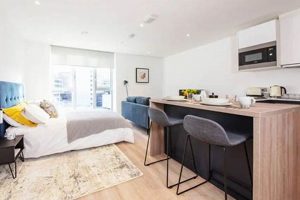
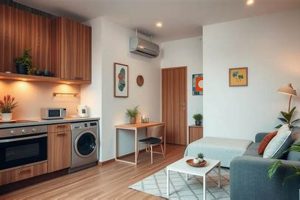
Furnishing a compact living space requires careful consideration of items necessary for comfortable and efficient daily living. These items often prioritize multi-functionality and space-saving design to maximize the utility of limited square footage. Examples include a convertible sofa bed, modular storage units, and a compact kitchen setup.
Strategic selection of core items for a small home significantly enhances quality of life. It fosters organization, prevents clutter, and contributes to a sense of well-being. Historically, the need for smart space utilization has driven innovation in furniture design and storage solutions, reflecting a growing emphasis on optimizing smaller living environments.
The following sections will delve into specific categories of necessary items, exploring options for sleeping, storage, cooking, and working, all tailored to the unique challenges and opportunities presented by compact dwellings.
Optimizing a Compact Living Space
Effective space management is paramount when furnishing a studio apartment. The following tips address critical aspects of maximizing functionality and comfort within a limited area.
Tip 1: Prioritize Multi-Functional Furniture: Select items that serve multiple purposes. A sofa bed provides seating during the day and converts into a sleeping area at night. Ottomans with built-in storage offer seating, footrests, and concealed storage solutions.
Tip 2: Maximize Vertical Space: Utilize wall space for shelving and storage. Install floating shelves to display decorative items and store books, or consider a tall bookcase to house various belongings and minimize floor clutter.
Tip 3: Employ Strategic Storage Solutions: Invest in storage containers that fit neatly under beds or stack efficiently in closets. Utilize drawer dividers and organizers to maximize space within dressers and cabinets.
Tip 4: Create Defined Zones: Delineate distinct living areas within the studio using rugs, screens, or furniture placement. This creates a sense of separation and improves the overall organization of the space.
Tip 5: Optimize Kitchen Efficiency: Utilize vertical storage solutions for cookware and utensils. Consider a rolling kitchen island for additional counter space and storage capacity. A compact dishwasher or drying rack can further optimize limited kitchen space.
Tip 6: Maintain a Clutter-Free Environment: Regularly declutter and discard unnecessary items. A minimalist approach to belongings enhances the perception of space and promotes a sense of order.
Tip 7: Consider Lighting Strategically: Utilize layered lighting to create ambiance and define different areas. Combine ambient lighting with task lighting and accent lighting to enhance functionality and visual appeal.
Implementing these suggestions maximizes the utility of a compact living space, fostering an organized, comfortable, and aesthetically pleasing environment.
The next section will focus on specific product recommendations to aid in the selection of items appropriate for studio apartment living.
1. Multi-functional furniture

Multi-functional furniture represents a cornerstone of efficient studio apartment living. The limited square footage inherent in such dwellings necessitates maximizing the utility of each item. Consequently, pieces designed to serve multiple purposes are not merely desirable but essential for comfortable and practical daily living. The absence of multi-functional furniture often results in a cluttered, inefficient, and ultimately uncomfortable living environment. A sofa bed, for instance, exemplifies this principle by providing seating during the day and a sleeping surface at night, effectively eliminating the need for separate furniture items that would consume valuable floor space. Similarly, storage ottomans offer seating and concealed storage, addressing two needs with a single item.
The importance of multi-functional furniture extends beyond simple space saving. It directly contributes to improved organization and a greater sense of spaciousness. By consolidating functionalities, these pieces streamline daily routines and reduce the visual clutter that can overwhelm small living spaces. Consider a dining table that folds down when not in use or a coffee table with built-in storage drawers. These pieces allow residents to adapt their living space to different needs throughout the day, creating a more versatile and adaptable environment. The strategic selection of multi-functional items requires careful consideration of the available space and the individual’s specific needs and lifestyle.
In conclusion, multi-functional furniture is not merely a component of “essentials for studio apartment” but a fundamental prerequisite for effective utilization of space. By combining multiple functions into single pieces, it reduces clutter, improves organization, and enhances the overall comfort and practicality of studio apartment living. Failure to prioritize multi-functional solutions can result in a diminished quality of life within a compact environment. The ongoing innovation in multi-functional furniture design reflects its enduring importance in addressing the challenges of small-space living.
2. Vertical Storage Solutions

The inherent spatial constraints of a studio apartment necessitate the exploitation of all available space, and this is where vertical storage solutions become crucial. Limited floor area demands that storage options extend upwards, utilizing wall space that would otherwise remain unused. The selection of appropriate vertical storage directly impacts the usability and comfort of a studio apartment; without it, clutter accumulates, reducing living space and compromising functionality. For instance, installing shelving units above a desk or bed provides accessible storage for books, decorations, or other personal items, freeing up valuable floor space. Similarly, utilizing tall, narrow storage towers can maximize storage capacity in tight corners or along walls.
Implementing vertical storage requires strategic planning and consideration of individual needs. Wall-mounted cabinets in the kitchen can significantly expand storage for cookware, utensils, and pantry items, preventing countertop clutter and optimizing meal preparation. In the living area, bookshelves, floating shelves, or even repurposed ladders can serve as both functional storage and decorative elements. Closets, often small in studio apartments, benefit significantly from vertical organization systems such as tiered shelving, hanging organizers, and over-the-door storage units. These solutions transform underutilized vertical space into efficient storage zones, enhancing the overall organization and usability of the apartment.
The effective implementation of vertical storage solutions is a key determinant of successful studio apartment living. It directly mitigates the challenges posed by limited square footage, enhancing organization, promoting a sense of spaciousness, and contributing to a more comfortable and functional living environment. The failure to prioritize vertical storage often results in a cluttered and cramped living space, negatively impacting both the aesthetic appeal and the practicality of the studio apartment. Therefore, understanding and implementing appropriate vertical storage strategies are essential for anyone seeking to optimize their studio apartment living experience.
3. Defined living zones

The creation of distinct living zones within a studio apartment is a direct response to the challenges posed by its open-plan layout. In the absence of physical walls separating different functional areas, strategic design interventions become necessary to establish boundaries and create a sense of separation. This spatial delineation is not merely aesthetic; it directly influences the functionality and comfort of the dwelling. Defined living zones, therefore, constitute a crucial element within the broader concept of essentials for studio apartment living.
The absence of defined zones can lead to a sense of disorganization and a blurring of functions, impacting both productivity and relaxation. For example, a bed situated directly adjacent to a workspace may impede restful sleep and blur the boundaries between work and leisure. Conversely, strategically placed furniture, rugs, or screens can visually separate these areas, creating distinct zones for sleeping, working, and relaxing. A strategically placed bookshelf can act as a room divider, providing both storage and visual separation. A rug can delineate a living area from a sleeping area, creating a sense of distinct space within the open floor plan. The application of color, lighting, and texture can further enhance these demarcations.
Establishing defined living zones within a studio apartment is not simply about aesthetics; it is about creating a functional and comfortable living environment. Strategic utilization of furniture, rugs, screens, and other design elements can effectively create distinct areas for various activities, improving organization, enhancing productivity, and fostering a greater sense of well-being. This strategic approach to space management transforms a single open room into a collection of interconnected yet distinct living areas, optimizing the studio apartment living experience. The incorporation of defined zones is a fundamental aspect when considering the essentials for studio apartment habitation.
4. Optimized Kitchen Efficiency
Within the confines of a studio apartment, where space is a premium, optimized kitchen efficiency transcends mere convenience; it becomes an essential component of functional living. Strategic organization and appliance selection are critical in maximizing the utility of a limited area dedicated to food preparation and storage.
- Compact Appliances
The integration of compact appliances, such as a small-scale refrigerator, a combination microwave oven, or a portable induction cooktop, directly addresses spatial limitations. These appliances perform the essential functions of their larger counterparts while occupying significantly less area, freeing up valuable countertop and storage space within the studio apartment. The use of full-sized appliances in a studio typically results in significant space encroachment, rendering the kitchen area impractical.
- Vertical Storage Solutions
Capitalizing on vertical space within the kitchen is crucial. Installing shelving units above countertops, utilizing magnetic knife strips, and employing hanging organizers for pots and pans maximizes storage capacity without consuming valuable horizontal space. These solutions allow for efficient organization and easy access to frequently used items, streamlining meal preparation and maintaining a clutter-free environment. A lack of vertical organization inevitably leads to countertop clutter and inefficient space utilization.
- Multi-functional Kitchenware
The selection of kitchenware that serves multiple purposes contributes significantly to optimized kitchen efficiency. Items such as nesting bowls, stackable cookware, and utensils with multiple functions reduce the overall volume of items requiring storage. This approach minimizes clutter and simplifies the organization of kitchen cabinets and drawers, essential elements in maintaining a streamlined and functional kitchen space within a studio apartment. The proliferation of single-use items creates unnecessary clutter and wastes valuable space.
- Efficient Waste Management
Implementing an efficient waste management system is vital in maintaining cleanliness and hygiene within a compact kitchen space. Utilizing a small, lidded trash can that fits neatly under the sink or in a cabinet minimizes odor and prevents the accumulation of waste. Regular disposal of garbage and recycling, coupled with proper cleaning practices, prevents the proliferation of pests and maintains a sanitary environment. Poor waste management practices quickly lead to unsanitary conditions and unpleasant odors within the confined space of a studio apartment.
These facets of optimized kitchen efficiency, when implemented effectively, contribute significantly to the overall habitability and functionality of a studio apartment. They demonstrate a commitment to strategic space utilization and organization, transforming a potentially cramped and inefficient kitchen area into a manageable and enjoyable space for food preparation and consumption. The integration of these principles is not merely about aesthetics; it represents a fundamental component of successful studio apartment living.
5. Clutter-free environment
Maintaining a clutter-free environment is not merely an aesthetic preference but a functional imperative within a studio apartment. The limited square footage characteristic of these dwellings necessitates a rigorous approach to minimizing unnecessary possessions and implementing effective organizational strategies. The presence of clutter significantly diminishes the perceived and actual living space, impacting both comfort and practicality. A clutter-free environment, therefore, is intrinsically linked to the “essentials for studio apartment” and contributes directly to an enhanced quality of life within these compact living spaces.
- Reduced Visual Distraction
A clutter-free environment minimizes visual distractions, promoting a sense of calm and order. Unnecessary items scattered throughout the living space can create a chaotic atmosphere, hindering concentration and impeding relaxation. Removing these visual stressors allows for improved focus and a greater sense of well-being. In the context of “essentials for studio apartment,” this directly translates to a more functional and enjoyable living space, particularly in areas designated for work or rest. For instance, a clear desk surface facilitates productivity, while an uncluttered bedside table promotes restful sleep.
- Enhanced Space Utilization
Eliminating unnecessary possessions and implementing effective organizational systems maximizes the use of available space. Clutter occupies valuable square footage that could otherwise be utilized for essential activities or furniture placement. By systematically decluttering and organizing belongings, residents can optimize the functionality of their studio apartment, creating more usable space. This is particularly relevant in the context of “essentials for studio apartment,” where every square foot must be utilized effectively. For example, decluttering a closet allows for more efficient storage of clothing and other personal items, reducing the need for additional storage solutions that consume valuable floor space.
- Improved Cleaning Efficiency
A clutter-free environment facilitates more efficient cleaning and maintenance. The absence of unnecessary items simplifies the cleaning process, reducing the time and effort required to maintain a tidy living space. This is particularly important in studio apartments, where limited space can exacerbate the effects of dirt and grime. A clean and well-maintained environment contributes significantly to overall well-being and promotes a sense of pride in the living space. In the context of “essentials for studio apartment,” this directly translates to a more hygienic and enjoyable living environment.
- Streamlined Decision Making
Minimizing possessions and maintaining a clutter-free environment can streamline decision-making processes related to purchases and organization. A clear understanding of one’s needs and priorities can reduce impulsive buying and promote a more mindful approach to acquiring new items. This, in turn, contributes to a more sustainable and clutter-free lifestyle. The awareness of possessions fostered by decluttering enables efficient organization within a studio setting and prevents it from getting out of hand. This is a crucial skill that complements the “essentials for studio apartment”, as space is often at a premium and every item must be justified.
The facets of a clutter-free environment, encompassing reduced visual distraction, enhanced space utilization, improved cleaning efficiency, and streamlined decision making, are not isolated benefits but rather interconnected elements that contribute to a more functional, comfortable, and enjoyable studio apartment living experience. These aspects underscore the integral relationship between maintaining a clutter-free environment and realizing the full potential of “essentials for studio apartment” in transforming a compact space into a thriving home.
Frequently Asked Questions
This section addresses common inquiries and misconceptions regarding essential items for effective studio apartment living. The following questions aim to provide clarity and guidance for optimizing compact living spaces.
Question 1: What constitutes an “essential” item in a studio apartment setting?
An essential item is defined as a furnishing, appliance, or organizational tool that directly contributes to the functionality, comfort, and habitability of the living space. These items typically serve multiple purposes or maximize the use of limited square footage. Examples include a multi-functional sofa bed, a compact refrigerator, and vertical storage solutions.
Question 2: Why is multi-functional furniture considered so crucial in a studio apartment?
Multi-functional furniture addresses the challenge of limited space by consolidating multiple uses into a single item. A sofa bed, for instance, provides both seating and a sleeping surface, eliminating the need for separate furniture pieces that would consume valuable floor space. This approach is essential for optimizing the utility of a studio apartment and preventing overcrowding.
Question 3: How can vertical storage solutions enhance the functionality of a studio apartment?
Vertical storage solutions maximize the use of available wall space, allowing for the storage of items without encroaching on limited floor area. Shelving units, wall-mounted cabinets, and over-the-door organizers provide accessible storage for books, kitchenware, and personal items, promoting organization and preventing clutter.
Question 4: What strategies can be employed to create defined living zones within a studio apartment?
Defined living zones can be established through the strategic placement of furniture, rugs, and screens. These elements visually separate different functional areas, such as sleeping, working, and living spaces, creating a sense of order and enhancing the overall organization of the studio apartment. The implementation of varying lighting schemes also assists in the differentiation of functional areas.
Question 5: How does optimizing kitchen efficiency contribute to successful studio apartment living?
Optimizing kitchen efficiency maximizes the utility of a limited kitchen area. Utilizing compact appliances, vertical storage solutions, and multi-functional kitchenware allows for efficient meal preparation and storage without consuming excessive space. This promotes a clutter-free environment and enhances the overall functionality of the studio apartment.
Question 6: What are the long-term benefits of maintaining a clutter-free environment in a studio apartment?
Maintaining a clutter-free environment promotes a sense of calm and order, enhances space utilization, facilitates efficient cleaning, and streamlines decision-making. These benefits contribute to an improved quality of life within the studio apartment, fostering a more comfortable, functional, and enjoyable living space.
In summary, strategic selection and utilization of essential items are paramount for successful studio apartment living. Prioritizing multi-functionality, vertical storage, defined zones, optimized kitchen efficiency, and a clutter-free environment transforms a compact space into a functional and comfortable home.
The concluding section will summarize the key considerations for furnishing a studio apartment and provide actionable recommendations for readers.
Essentials for Studio Apartment
The preceding analysis has explored the critical components of equipping a studio apartment for functional and comfortable living. Key elements include multi-functional furniture, vertical storage solutions, defined living zones, optimized kitchen efficiency, and the maintenance of a clutter-free environment. Effective implementation of these elements addresses the inherent spatial limitations of studio apartments, transforming them into well-organized and habitable spaces. Neglecting these “essentials for studio apartment” can lead to a diminished quality of life, characterized by overcrowding, disorganization, and reduced functionality.
Consideration of these foundational elements is crucial in creating a sustainable and enjoyable living environment. Strategic planning and thoughtful selection are paramount. As urban populations continue to increase and smaller living spaces become more prevalent, the principles outlined remain of critical importance. Careful attention to the “essentials for studio apartment” empowers individuals to maximize the potential of their living spaces, regardless of size.


![Find Affordable Studio Apartments in St. Louis, MO - [City Living] | Study Travel Abroad | Explore Educational Trips & Global Learning Opportunities](https://studyhardtravelsmart.com/wp-content/uploads/2026/03/th-239-300x200.jpg "Find Affordable Studio Apartments in St. Louis, MO - [City Living] Study Travel Abroad | Explore Educational Trips & Global Learning Opportunities")