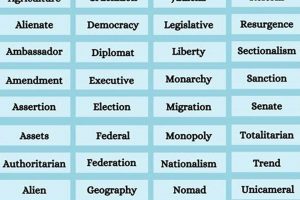
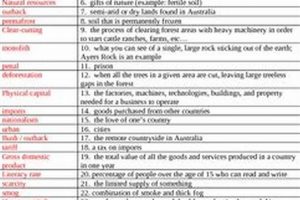
The framework outlines what students in New York State should know and be able to do in civics, economics, geography, and history at each grade level, from kindergarten through twelfth grade. These guidelines serve as a roadmap for educators to develop curriculum and instruction that will prepare students to be informed and engaged citizens. Examples include specific learning objectives related to understanding the US Constitution, analyzing economic systems, interpreting maps, and evaluating historical sources.
Adherence to these prescribed academic expectations is crucial for fostering civic competence, promoting critical thinking skills, and ensuring students are equipped with a robust understanding of the world around them. The implementation of these guidelines ensures a consistency in social studies education across the state, providing all students with equitable opportunities to develop essential knowledge and skills. Historically, its development represents a commitment to preparing young people for participation in a democratic society and a globalized world.
The following sections will delve further into specific aspects, including their implementation, assessment strategies, and resources available to support educators in meeting these critical academic benchmarks.
The following guidance is designed to assist educators in effectively implementing the state’s expectations for social studies instruction, ensuring that students acquire the necessary knowledge and skills.
Tip 1: Curriculum Alignment: Examine existing curricula to identify areas of strength and areas requiring modification to meet specific learning standards. Align units of study with the identified standards. For example, if the standard requires students to analyze the causes of the American Revolution, ensure the curriculum includes primary source documents, secondary interpretations, and opportunities for critical analysis.
Tip 2: Primary Source Integration: Incorporate primary source documents, artifacts, and oral histories into lessons. Rather than solely relying on textbooks, provide students with direct access to historical evidence. This can include letters, photographs, political cartoons, and census data.
Tip 3: Inquiry-Based Learning: Promote inquiry-based learning approaches that encourage students to ask questions, investigate evidence, and draw conclusions. Pose compelling questions related to the content, and guide students through the process of researching and answering those questions. For instance, ask “How did geography influence the development of ancient civilizations?” and guide students in researching river valleys, mountain ranges, and other geographical features.
Tip 4: Differentiated Instruction: Adapt instructional strategies and materials to meet the diverse learning needs of all students. Provide multiple means of representation, action, and expression. Offer leveled reading materials, visual aids, and hands-on activities to cater to various learning styles.
Tip 5: Civic Engagement: Foster civic engagement by providing students with opportunities to participate in real-world civic activities. Encourage students to research local issues, contact elected officials, and participate in community service projects.
Tip 6: Assessment for Learning: Utilize formative assessment strategies to monitor student progress and inform instructional decisions. Employ tools such as exit tickets, quick writes, and class discussions to gauge understanding and identify areas where students need additional support. Summative assessments should align directly with the standards and assess students’ ability to apply their knowledge and skills.
Tip 7: Interdisciplinary Connections: Seek opportunities to connect social studies content to other subject areas, such as English language arts, mathematics, and science. Exploring the literature of a particular historical period or analyzing statistical data related to economic trends can deepen student understanding and promote interdisciplinary thinking.
Effective implementation requires a commitment to aligning curriculum, integrating primary sources, promoting inquiry-based learning, differentiating instruction, fostering civic engagement, employing assessment for learning, and making interdisciplinary connections. These strategies, if employed consistently, will enable educators to successfully prepare students to meet the challenges of an ever-changing world.
The following section will examine resources and professional development opportunities available to support educators in their efforts to implement the social studies expectations.
1. Civic Competency

Civic competency, a core aim within social studies, reflects the skills and knowledge necessary for active and responsible participation in a democratic society. Within the framework, its cultivation is explicitly addressed through specific standards and learning objectives at each grade level.
- Understanding Governmental Structures and Processes
This facet involves comprehending the organization and functions of local, state, and federal governments. Students learn about the separation of powers, checks and balances, and the roles of elected officials. For example, a standard might require students to analyze how a bill becomes law at the state level, thus providing direct insight into how government operates. Understanding these processes is crucial for informed participation and advocacy.
- Rights and Responsibilities of Citizenship
This element focuses on understanding the rights guaranteed by the Constitution and the corresponding responsibilities of citizens. Students explore concepts such as freedom of speech, freedom of assembly, and the right to vote, along with duties like paying taxes, serving on juries, and respecting the rights of others. Instruction may involve analyzing landmark Supreme Court cases that define these rights and exploring scenarios where citizens exercise their responsibilities.
- Critical Evaluation of Information and Media Literacy
In the current information landscape, the ability to critically evaluate sources and discern credible information from misinformation is vital. Students learn to identify bias, assess the reliability of sources, and differentiate between facts and opinions. This aspect of civic competency is fostered through activities that require students to analyze news articles, political advertisements, and social media posts, thereby developing skills essential for informed decision-making.
- Engagement in Civic Discourse and Action
This facet emphasizes the importance of respectful dialogue and active participation in civic life. Students learn how to express their views effectively, engage in constructive debates, and work collaboratively to address community issues. Standards may encourage students to participate in mock elections, organize community service projects, or advocate for policy changes, fostering a sense of agency and responsibility.
These interlinked facets of civic competency, as integrated within the academic framework, prepare students to be informed, engaged, and responsible citizens capable of contributing positively to their communities and the nation as a whole. The development of these skills ensures a more robust and participatory democracy.
2. Historical Thinking Skills

Historical thinking skills, crucial within the New York State social studies framework, represent a collection of cognitive abilities that enable students to analyze the past in a rigorous and meaningful way. These skills are not merely about memorizing facts but rather about engaging with history as a process of inquiry and interpretation. They are embedded within the academic expectations to ensure students develop a sophisticated understanding of the past.
- Sourcing and Situation
This skill involves evaluating the origin and context of historical sources. Students learn to ask questions such as, “Who created this source and why?” and “What was the historical context in which it was created?” For example, when analyzing a letter from a Civil War soldier, students consider the soldier’s perspective, the intended audience, and the circumstances under which the letter was written. Understanding the source’s origin and context is critical for assessing its reliability and potential biases within the New York standards.
- Corroboration
Corroboration focuses on comparing multiple sources to identify points of agreement and disagreement. Students learn to ask, “Do different sources confirm or contradict each other?” This skill helps students to evaluate conflicting accounts and construct a more comprehensive understanding of historical events. For instance, when studying the Great Depression, students might compare government documents with personal narratives to gain a more nuanced perspective within the educational guidelines of the state.
- Contextualization
Contextualization involves placing historical events within their broader social, political, and economic context. Students learn to consider the factors that influenced events and the ways in which they shaped subsequent developments. For example, when studying the Cold War, students examine the ideological differences between the United States and the Soviet Union, the geopolitical tensions of the time, and the domestic consequences of the conflict, all aligning with the historical learning objectives.
- Interpretation
Interpretation involves constructing arguments about the past based on evidence. Students learn to formulate hypotheses, analyze evidence, and support their claims with logical reasoning. This skill requires students to go beyond simply summarizing information and instead develop their own informed perspectives. For example, when studying the American Revolution, students might construct an argument about the relative importance of economic, political, and social factors in causing the revolution, drawing on historical sources and interpretations. This type of analytical work demonstrates the skill.
These historical thinking skills, deliberately woven into the curriculum, equip students with the tools to analyze and interpret the past in a critical and meaningful way. By mastering these skills, students develop a deeper appreciation for the complexities of history and its relevance to the present, satisfying the rigorous standards of instruction.
3. Geographic Literacy
Geographic literacy constitutes a foundational component within the New York State social studies standards, enabling students to comprehend the spatial dimensions of human activity and the Earth’s physical systems. It extends beyond simple map reading, encompassing the ability to analyze spatial patterns, understand human-environment interactions, and appreciate the diversity of cultures and landscapes across the globe.
- Spatial Thinking and Map Skills
This facet involves the ability to use maps, globes, and other geographic tools to locate places, analyze spatial relationships, and interpret geographic data. Students learn to identify different types of map projections, understand map scales, and use latitude and longitude coordinates. Instruction may involve analyzing population distribution maps to understand patterns of urbanization or using topographic maps to plan hiking routes. This capability allows for the spatial representation of data aligned with the states academic framework.
- Human-Environment Interaction
This element focuses on understanding the complex relationships between humans and their environment. Students learn how human activities modify the environment and how environmental conditions influence human societies. Examples include studying the impact of deforestation on climate change, analyzing the effects of urbanization on water resources, or examining how climate influences agricultural practices. A study of this dynamic fosters responsible stewardship.
- Regions and Regionalization
This facet involves the ability to identify and analyze different types of regions, such as political regions, economic regions, and cultural regions. Students learn how regions are defined and how they change over time. For example, instruction may include comparing and contrasting different economic regions, such as the Rust Belt and the Sun Belt, or analyzing the factors that contribute to the formation of cultural regions. It allows for an appreciation of the diversity of places.
- Global Interdependence
This facet focuses on understanding the interconnectedness of people and places around the world. Students learn how economic, political, and social processes operate at a global scale and how events in one part of the world can affect other parts. Examples include analyzing global trade patterns, examining the causes and consequences of international migration, or studying the impacts of global climate change. Global interdependence illustrates the connections between locales.
These interconnected aspects of geographic literacy, as mandated within the academic expectations, equip students with the knowledge and skills to understand the spatial dimensions of social, economic, and environmental issues. The attainment of these skills enables a more nuanced and comprehensive understanding of the world, contributing to more informed decision-making at local, national, and global scales, meeting the standards for responsible citizenship and informed global awareness.
4. Economic Understanding
Within the framework outlined in the New York State social studies standards, economic understanding is a crucial component designed to equip students with the knowledge and skills necessary to navigate the complexities of economic systems. This element transcends basic financial literacy, delving into the workings of markets, resource allocation, and the impact of economic policies on individuals and societies. A comprehensive grasp of economic principles enables students to critically analyze economic issues, understand cause-and-effect relationships, and make informed decisions as consumers, workers, and citizens. For example, understanding supply and demand principles allows students to grasp how government subsidies can influence agricultural production, impacting market prices and consumer costs. Therefore, economic understanding is an indispensable component for students within the state framework.
The practical significance of economic understanding is evident in several areas. Students who understand economic principles are better prepared to make informed financial decisions, such as budgeting, saving, and investing. They are also better equipped to evaluate economic policies and understand their potential impacts on society. For example, a student with a solid economic foundation could analyze the potential effects of a proposed tax reform on different income groups, contributing to a more informed public discourse. Furthermore, the ability to interpret economic data and trends is increasingly valuable in various careers, ranging from business and finance to government and non-profit sectors. Consider the impact of understanding the economic concept of inflation on personal investment decisions.
In summary, economic understanding, as embedded within the New York State social studies standards, provides students with essential tools for navigating an increasingly complex and interconnected world. Its integration into the curriculum fosters critical thinking, informed decision-making, and responsible citizenship. The benefits of a strong economic foundation extend far beyond the classroom, empowering students to participate fully in the economy and contribute to a more prosperous and equitable society. Challenges remain in effectively teaching these concepts to diverse learners, but the commitment to economic understanding within the standards underscores its vital importance.
5. Inquiry-Based Learning

Inquiry-based learning, a pedagogical approach central to effective social studies education, aligns fundamentally with the goals and objectives articulated within the academic framework. This methodology shifts the focus from rote memorization of facts to active investigation and critical analysis, fostering a deeper understanding of historical events, social structures, and civic responsibilities. This educational strategy supports the overarching aim of developing informed and engaged citizens.
- Formulating Investigative Questions
A cornerstone of inquiry-based learning is the development of compelling investigative questions. Students are encouraged to move beyond simple recall and formulate questions that require analysis, evaluation, and synthesis of information. Within the framework, teachers might guide students to ask, “To what extent did industrialization improve or worsen the lives of American workers?” This type of question necessitates exploration of diverse sources, consideration of multiple perspectives, and the construction of evidence-based arguments.
- Source Analysis and Evaluation
Inquiry-based learning places a strong emphasis on the careful analysis and evaluation of primary and secondary sources. Students learn to assess the credibility of sources, identify bias, and interpret historical evidence within its context. This aligns with the document analysis skills outlined in the framework, such as sourcing, contextualization, and corroboration. For example, students might compare accounts of the same event from different newspapers to assess varying perspectives and potential biases.
- Evidence-Based Reasoning and Argumentation
Inquiry-based learning promotes the development of evidence-based reasoning and argumentation skills. Students are expected to support their claims with evidence from historical sources and to construct logical arguments that address the complexities of the topic under investigation. This aligns directly with the expectations for critical thinking and analytical writing within the social studies framework. Students might debate the causes of the Civil War, using primary source documents and scholarly interpretations to support their positions.
- Collaboration and Communication
Inquiry-based learning often involves collaborative activities that promote discussion, debate, and the sharing of ideas. Students learn to work together to investigate questions, analyze sources, and construct arguments. This collaborative approach aligns with the framework’s emphasis on civic engagement and effective communication. Students might work in groups to research a particular historical event and then present their findings to the class, fostering a shared understanding and promoting critical dialogue.
These facets of inquiry-based learning, when effectively integrated into the social studies classroom, enhance the learning experience, foster critical thinking, and promote civic engagement. The framework provides the structure and guidance necessary to implement this approach in a meaningful and effective manner. By shifting the focus from passive reception of information to active investigation and analysis, inquiry-based learning prepares students to be informed, engaged, and responsible citizens.
6. Primary Source Analysis

The integration of primary source analysis within the New York State social studies standards is paramount, representing a cornerstone of effective historical instruction. The standards emphasize the importance of engaging directly with original materials to foster critical thinking, promote analytical skills, and encourage a deeper understanding of the past. The direct involvement with original documents enables students to move beyond rote memorization and engage in authentic historical inquiry.
- Sourcing and Contextualization
The standards explicitly require students to consider the origin and context of primary sources. Sourcing involves identifying the creator, purpose, and intended audience of a document, while contextualization entails placing the source within its historical, social, and political setting. For instance, when analyzing a letter from a suffragette, students must consider her background, motivations, and the broader context of the women’s suffrage movement. Such analysis equips students with the tools to critically assess the source’s reliability and potential biases, aligning directly with the framework’s expectations for historical thinking.
- Corroboration and Comparison
A key aspect of primary source analysis within the standards involves comparing multiple sources to identify points of agreement and disagreement. Students learn to corroborate evidence and evaluate conflicting accounts to construct a more comprehensive understanding of historical events. For example, when studying the Civil War, students might compare letters from Union and Confederate soldiers to gain different perspectives on the conflict. This process of comparing and contrasting sources fosters critical thinking and encourages students to question traditional narratives.
- Interpretation and Argumentation
The standards emphasize the ability to interpret primary sources and construct evidence-based arguments about the past. Students are expected to move beyond simply summarizing information and instead develop their own informed interpretations supported by textual evidence. For instance, when analyzing the Declaration of Independence, students might formulate an argument about the document’s influence on subsequent movements for social and political change, drawing on specific passages and historical context. This promotes historical thinking and strengthens writing skills.
- Historical Empathy and Perspective-Taking
Engaging with primary sources can foster historical empathy and perspective-taking, enabling students to understand the experiences and viewpoints of people in the past. The standards encourage students to consider the values, beliefs, and motivations of individuals and groups from different historical periods. By analyzing personal diaries, letters, and other firsthand accounts, students can gain a deeper appreciation for the complexities of human experience and develop a more nuanced understanding of the past. This can lead to a more informed and tolerant view of the present.
These facets are inextricably linked to the New York State social studies standards. By incorporating these elements, the curriculum promotes effective historical thinking, and analysis, ultimately fostering informed, responsible, and engaged citizens. The standards provide the framework and guidance necessary to ensure that primary source analysis is implemented effectively across all grade levels, enhancing the quality and depth of social studies instruction.
7. Global Awareness

Global awareness, as integrated within the academic framework, represents a critical dimension of social studies education. The framework mandates the development of students’ understanding of interconnectedness and interdependence among nations and cultures. An effect of this emphasis is that students are better equipped to analyze global issues, recognize diverse perspectives, and appreciate the complexity of international relations. Global awareness is not merely an add-on but an essential component, as it enables students to comprehend the far-reaching consequences of local decisions and the reciprocal influence of global events on local communities. For instance, the framework requires students to study international trade agreements, understanding how these pacts affect local economies and employment patterns. Such a study highlights the practical significance of global awareness, as it demonstrates how economic policies enacted thousands of miles away can impact daily lives.
Further, the framework encourages the examination of global challenges, such as climate change, human rights violations, and economic inequality. Through this, students develop an understanding of the root causes of these problems and explore potential solutions. By engaging with diverse sources of information and perspectives, students learn to critically evaluate competing claims and develop their own informed opinions on these complex issues. A student, for instance, may analyze the role of international organizations, such as the United Nations, in addressing humanitarian crises, thereby developing a deeper appreciation for the challenges and opportunities of global cooperation. A deep understanding of diverse cultures helps to build empathy and mutual respect, critical for constructive interaction in an interconnected world.
The cultivation of global awareness presents challenges, including the need for resources, appropriate pedagogical approaches, and teacher professional development. However, the commitment to global awareness within the standards underscores its pivotal importance in preparing students to be informed, responsible, and engaged citizens of a global community. This framework ultimately empowers students to navigate the complexities of an interconnected world and contribute to a more just and sustainable future.
Frequently Asked Questions Regarding NYS Standards Social Studies
The following addresses common inquiries concerning the implementation and interpretation of the prescribed academic expectations in New York State.
Question 1: What is the primary purpose of the NYS Standards Social Studies?
The primary purpose is to provide a clear and consistent framework for social studies education across the state. These academic expectations outline what students should know and be able to do in civics, economics, geography, and history at each grade level. This framework is designed to prepare students to be informed, engaged, and responsible citizens.
Question 2: How do these academic expectations differ from previous guidelines?
The current standards emphasize inquiry-based learning, critical thinking skills, and the use of primary source documents. Earlier frameworks often focused more on rote memorization of facts. The shift emphasizes the development of analytical skills and a deeper understanding of historical and social concepts.
Question 3: What are the key components emphasized within these academic expectations?
Key components include civic competence, historical thinking skills, geographic literacy, and economic understanding. These elements are integrated throughout the curriculum to ensure students develop a well-rounded understanding of the world.
Question 4: How are student achievements assessed under the academic framework?
Assessment strategies should align directly with the standards and focus on students’ ability to apply their knowledge and skills. Assessment tools should include formative assessments such as class discussions and exit tickets, as well as summative assessments that evaluate students’ ability to analyze sources, construct arguments, and solve problems.
Question 5: What resources are available to support teachers in implementing the academic expectations?
Resources include curriculum guides, professional development workshops, and online resources provided by the New York State Education Department. These resources are designed to assist educators in aligning their curriculum and instruction with the standards.
Question 6: How do the academic guidelines promote civic engagement among students?
The guidelines encourage civic engagement by providing students with opportunities to participate in real-world civic activities. These activities include researching local issues, contacting elected officials, and participating in community service projects, fostering a sense of responsibility and encouraging active participation in a democratic society.
The implementation of these academic expectations requires a concerted effort from educators, administrators, and policymakers. However, adherence ensures that students receive a high-quality social studies education that prepares them to be informed and engaged citizens.
The following section will delve into strategies for adapting the social studies framework for diverse learners.
Conclusion
This exploration of “nys standards social studies” has examined its structure, core components, and practical applications. Emphasis was placed on the crucial role of civic competence, historical thinking skills, geographic literacy, and economic understanding in shaping informed and engaged citizens. Furthermore, inquiry-based learning and primary source analysis were highlighted as essential pedagogical strategies aligned with these academic expectations.
Effective implementation requires ongoing commitment and collaboration among educators, administrators, and policymakers. Adherence to these standards is paramount for ensuring that all students receive a high-quality social studies education, preparing them to navigate the complexities of a globalized world and contribute meaningfully to a democratic society. Continued assessment and refinement of curriculum and instructional practices are necessary to meet the evolving needs of students and the demands of a rapidly changing world.