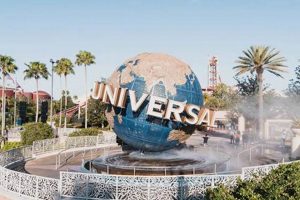
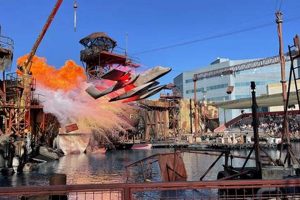
The attractions found within the Singapore-based theme park provide a diverse range of experiences, encompassing thrilling roller coasters, immersive dark rides, and family-friendly options. These attractions are designed to cater to a wide spectrum of visitor preferences, offering varying levels of intensity and theming. As an example, a high-speed roller coaster might simulate a daring escape, while a slower-paced ride could transport guests through a beloved animated world.
The availability of such a diverse set of attractions enhances the overall entertainment value, attracting both local and international tourists. The themed environments surrounding the rides further contribute to the immersive experience, creating memorable moments for park attendees. Historically, the development and inclusion of particular ride types have been influenced by advancements in technology, evolving guest expectations, and the popularity of certain intellectual properties.
The subsequent sections will detail specific examples of noteworthy attractions, categorize them based on thrill level and thematic alignment, and offer insights into optimizing the visitor experience through strategic ride selection and queuing strategies.
Effective planning and strategic execution are paramount for maximizing enjoyment and minimizing wait times when experiencing the various offerings within the park.
Tip 1: Prioritize High-Demand Attractions. Upon entering the park, identify and immediately proceed to the most popular attractions, such as Battlestar Galactica: HUMAN vs. CYLON or TRANSFORMERS The Ride: The Ultimate 3D Battle. These attractions typically experience the longest wait times later in the day.
Tip 2: Utilize the Single Rider Lines. For those willing to ride separately, single rider lines can significantly reduce waiting times. This option is available on select attractions and is particularly useful for minimizing delays.
Tip 3: Exploit Early Park Hours. Arriving at the park before the official opening time allows for quicker access to attractions before the crowds fully materialize. This strategy is particularly effective during peak season.
Tip 4: Consider Purchasing Express Passes. If budget permits, the purchase of an Express Pass provides expedited access to most attractions, significantly reducing overall wait times and allowing for more efficient use of time.
Tip 5: Plan Around Show Schedules. Consult the park’s daily show schedule and strategically plan ride experiences around showtimes. This can help to avoid peak crowds at popular attractions while guests are attending shows.
Tip 6: Take Advantage of Mobile App Features. The park’s official mobile application provides real-time wait time updates and show schedules, facilitating informed decision-making and efficient navigation throughout the park.
Tip 7: Remain Aware of Ride Closures. Periodically check for any scheduled or unscheduled ride closures. Adjust the itinerary accordingly to avoid disappointment and maximize time spent experiencing operational attractions.
By implementing these strategies, visitors can optimize their experience and ensure they are able to enjoy a larger selection of available attractions. Careful planning and diligent execution are essential for a fulfilling visit.
The subsequent section will offer a detailed exploration of the different themed zones and the specific attractions found within each area, providing a deeper understanding of the park’s layout and offerings.
1. Thrill Level

The “Thrill Level” constitutes a critical design element within the selection of attractions. It fundamentally dictates the target audience, impacting both visitor satisfaction and overall park appeal. Each attraction is deliberately engineered to deliver a specific intensity of experience, ranging from mild, family-friendly options to high-octane adventures. This calibration is directly correlated with the demographic being targeted; a younger audience may find appeal in gentler experiences, while thrill-seekers prioritize high-speed roller coasters and simulated freefalls. As a direct consequence, effective management of thrill level leads to enhanced guest engagement and a wider audience reach.
The importance of this factor is evident in the park’s diverse attraction portfolio. Consider, for example, the difference between “Madagascar: A Crate Adventure,” a leisurely boat ride designed for families with young children, and “Battlestar Galactica: HUMAN vs. CYLON,” an intense dueling roller coaster featuring inversions and high speeds. The practical application of understanding thrill level is evident in the operational procedures: clearly marked signage indicates height and age restrictions, ensuring safe participation. Moreover, park maps and online resources often categorize attractions by thrill level, empowering visitors to make informed decisions that align with their comfort zones.
In summary, the strategic management of “Thrill Level” is an essential component of the park’s success. The challenges lie in balancing the demand for diverse experiences and catering to varied preferences while upholding stringent safety standards. By acknowledging and effectively managing the interplay between “Thrill Level” and guest satisfaction, the park aims to maximize attendance and maintain its position as a premier entertainment destination.
2. Thematic Immersion

Thematic immersion is a critical element in the design and operation. It involves crafting environments and experiences that convincingly transport guests into the worlds of the intellectual properties featured. The depth and effectiveness of thematic immersion directly influence the level of engagement and enjoyment experienced by visitors. Without it, the rides would simply be physical experiences devoid of emotional connection.
The cause-and-effect relationship between thematic immersion and visitor satisfaction is evident in the design of different zones. For example, the “Ancient Egypt” zone, with its meticulously crafted facades, hieroglyphics, and thematic music, aims to create an authentic experience for guests before they even board the “Revenge of the Mummy” ride. This immersive environment primes visitors for the narrative and enhances their emotional response to the ride itself. The importance of this is also showcased in “Jurassic Park” area, where visitors encounter realistic dinosaur animatronics and themed landscaping that effectively sets the stage for a related ride. Conversely, poorly executed theming would diminish the impact of even the most technologically advanced ride.
Challenges exist in maintaining a high level of thematic immersion, including the need for consistent maintenance, periodic upgrades to ensure the continued relevance of the intellectual properties, and the management of guest expectations. However, the payoff is significant: a more compelling, memorable experience that fosters loyalty and encourages repeat visits. Prioritizing thematic immersion, therefore, represents a strategic investment in long-term success and a pivotal aspect of delivering a distinctive entertainment product.
3. Age Suitability

Age suitability is a critical consideration in the design and operation. It directly relates to safety, visitor experience, and the legal and ethical obligations of the park. The park implements specific guidelines to ensure that attractions are appropriate for the physical and emotional maturity of riders.
- Height Restrictions
Height restrictions serve as a primary mechanism for determining age suitability. These restrictions are based on the physical demands of a ride and the safety restraints available. For example, a high-speed roller coaster may necessitate a minimum height to ensure that safety harnesses function correctly. Failure to adhere to these restrictions poses a significant safety risk, potentially leading to serious injury. Enforcement of height restrictions is a non-negotiable aspect of park operations.
- Ride Intensity and Content
Certain attractions may feature intense movements, loud noises, or potentially frightening visual effects. These elements may be unsuitable for younger children or individuals with certain sensitivities. Ride descriptions and advisory signage are typically provided to inform guests about the nature of the experience. Responsible guardianship plays a crucial role in assessing whether a particular attraction is appropriate for a child, even if they meet the minimum height requirement.
- Legal and Ethical Considerations
The park is legally and ethically obligated to provide a safe environment for all visitors. Age suitability guidelines are designed to minimize the risk of injury or emotional distress. Failure to adequately address age suitability could result in legal liability and reputational damage. The implementation of clear and consistently enforced guidelines demonstrates a commitment to responsible operation.
- Parental Guidance and Responsibility
While the park provides guidelines and restrictions, ultimately, parental guidance is paramount. Parents or guardians are best positioned to assess the individual needs and sensitivities of their children. They should carefully consider ride descriptions, observe the attraction in operation, and discuss potential concerns with park personnel before allowing a child to participate. Responsible decision-making on the part of parents is essential for ensuring a positive and safe experience.
The effective management of age suitability represents a complex challenge, requiring a multi-faceted approach that encompasses physical restrictions, informative messaging, and shared responsibility. By prioritizing the well-being of its guests, the park reinforces its commitment to providing a safe and enjoyable environment for visitors of all ages.
4. Queue Lengths
Queue lengths represent a critical operational and experiential element within the theme park environment. The duration visitors spend waiting in line directly influences overall satisfaction, perceived value, and the capacity to experience a greater number of attractions. Extended wait times can negatively impact guest sentiment, regardless of the quality of the attraction itself. Effective management of queue lengths is therefore paramount to optimizing the park experience.
- Impact on Perceived Value
Lengthy queues can erode the perceived value of an attraction. Visitors who spend a disproportionate amount of time waiting relative to the duration of the ride itself may feel that their investment of time and money is not justified. This can lead to dissatisfaction and a reduced likelihood of repeat visits. The perceived value equation is heavily influenced by the efficiency of queue management.
- Operational Capacity and Throughput
Queue lengths serve as an indicator of operational capacity and throughput. Excessively long queues suggest that the attraction may be operating below its optimal capacity or that demand exceeds the available capacity. Analyzing queue length data can provide valuable insights into ride efficiency, staffing requirements, and the need for adjustments to operational procedures. The relationship between queue length and operational metrics is fundamental to park management.
- Influence on Visitor Behavior
Extended wait times can influence visitor behavior in several ways. Guests may become more selective in their ride choices, opting for attractions with shorter queues even if they are not their primary preference. Queue lengths can also lead to increased crowding in other areas of the park as visitors seek alternative activities. Understanding and anticipating these behavioral shifts is essential for effective crowd management.
- Strategies for Mitigation
Various strategies are employed to mitigate the negative effects of long queues. These include the use of virtual queuing systems, express passes, single rider lines, and strategically placed entertainment within the queue areas. The effectiveness of these strategies varies depending on the specific attraction and the overall park conditions. Continuous evaluation and adaptation of queue management techniques are necessary to maintain a positive visitor experience.
In summary, queue lengths are an inherent aspect of the theme park experience that exert a significant influence on visitor satisfaction and operational efficiency. Effective management of queue lengths requires a multifaceted approach that encompasses operational adjustments, technological solutions, and a deep understanding of visitor behavior. Prioritizing queue management represents a strategic investment in enhancing the overall park experience and fostering long-term visitor loyalty.
5. Accessibility

Accessibility, within the context of Singapore Universal Studios, encompasses the degree to which all individuals, regardless of their physical or cognitive abilities, can experience and enjoy the available attractions. The presence or absence of accessible design elements directly influences the inclusivity of the park and its ability to cater to a diverse audience. Insufficient accessibility creates barriers to participation, limiting the experiences of individuals with disabilities and potentially impacting the park’s reputation and economic viability. Conversely, proactive implementation of accessibility measures broadens the park’s appeal and demonstrates a commitment to social responsibility.
Several examples illustrate the practical significance of accessible design. Wheelchair-accessible ride vehicles, such as those found on some slower-paced attractions, allow individuals with mobility impairments to participate in the experience. Sensory-friendly performances, characterized by reduced lighting and sound levels, accommodate visitors with autism or sensory processing disorders. Signage in multiple languages, including braille, facilitates navigation for individuals with visual or language-based impairments. The Universal Studios Singapore official website provides comprehensive accessibility information, outlining available accommodations and resources. Furthermore, the park provides designated parking areas, accessible restrooms, and trained staff to assist guests with disabilities. These measures collectively contribute to a more inclusive and equitable experience.
In conclusion, accessibility is not merely an optional add-on but an essential component of the park’s design and operational framework. Overcoming challenges such as retrofitting existing structures, maintaining accessible equipment, and training staff to effectively support visitors with disabilities requires ongoing commitment and investment. However, the benefitsincreased inclusivity, enhanced visitor satisfaction, and a positive public imageunderscore the importance of prioritizing accessibility as a core value. As societal expectations for inclusivity continue to evolve, Universal Studios Singapore must remain proactive in addressing accessibility to ensure that its attractions are truly universal in their appeal and enjoyment.
6. Maintenance

Maintenance is a foundational element in ensuring the operational integrity, safety, and longevity of all attractions. Its function extends beyond mere repair to encompass preventative measures, routine inspections, and adherence to rigorous safety standards. The effectiveness of maintenance directly impacts the visitor experience and the overall reputation of the park.
- Scheduled Preventative Maintenance
Scheduled preventative maintenance involves regular inspections, lubrication, component replacements, and system calibrations performed at predetermined intervals. This proactive approach identifies and addresses potential issues before they escalate into significant failures. An example is the routine inspection of roller coaster tracks for stress fractures or the replacement of hydraulic fluids in ride systems. Neglecting scheduled preventative maintenance leads to increased downtime, higher repair costs, and elevated safety risks.
- Emergency Repair Protocols
Emergency repair protocols define the procedures for addressing unexpected breakdowns or malfunctions. These protocols involve rapid assessment of the issue, implementation of temporary fixes to restore operation (where safe), and subsequent execution of permanent repairs. An example would be addressing a sudden sensor malfunction on a dark ride or repairing a hydraulic line rupture on a thrill ride. Inadequate emergency repair protocols prolong downtime and can lead to guest inconvenience and dissatisfaction.
- Safety Compliance and Inspections
Stringent safety compliance is paramount to ensuring guest safety. This involves adhering to all applicable regulatory standards and conducting regular safety inspections by qualified personnel. Examples include daily safety checks of restraint systems, load testing of support structures, and emergency evacuation drills. Failure to comply with safety regulations can result in serious accidents, legal liabilities, and damage to the park’s reputation.
- Component Lifespan Management
Component lifespan management involves tracking the operational hours, stress levels, and performance characteristics of critical ride components. This data is used to predict when components are likely to fail and to schedule replacements proactively. For example, the lifespan of a roller coaster wheel assembly can be estimated based on its operating hours and load cycles. Ignoring component lifespan management leads to unexpected failures, increased maintenance costs, and potential safety hazards.
These facets of maintenance, when effectively implemented, contribute to a safe, reliable, and enjoyable experience for visitors. Consistent maintenance minimizes downtime, reduces safety risks, and extends the operational lifespan of attractions, safeguarding the park’s investment and reputation.
Frequently Asked Questions
The following questions address common inquiries regarding the attractions at the specified location, aiming to clarify operational procedures, safety protocols, and visitor considerations.
Question 1: What measures are in place to ensure rider safety?
Ride safety is paramount. Each attraction undergoes rigorous daily inspections and preventative maintenance. Height and health restrictions are strictly enforced, and trained operators are present at all times. Emergency procedures are in place to address unforeseen circumstances.
Question 2: Are there any attractions suitable for young children?
Several attractions are designed for younger audiences, featuring slower speeds and gentle themes. These include Madagascar: A Crate Adventure and Sesame Street Spaghetti Space Chase. Consult the park map or website for specific age and height recommendations.
Question 3: What is the best way to minimize wait times for popular rides?
Strategies to minimize wait times include arriving early, utilizing single rider lines, and purchasing an Express Pass. Consideration should be given to ride popularity and show schedules when planning an itinerary.
Question 4: Are there any attractions that accommodate individuals with disabilities?
The park strives to provide accessible experiences for all guests. Certain attractions offer wheelchair access, and sensory-friendly accommodations may be available. Detailed accessibility information is available on the park’s official website.
Question 5: What happens if a ride malfunctions while in operation?
In the event of a malfunction, trained operators will initiate established safety protocols. The ride will be safely brought to a stop, and guests will be evacuated in a controlled manner. Park personnel will provide instructions and assistance.
Question 6: Is photography permitted on all attractions?
Photography policies vary depending on the ride. Flash photography is generally prohibited on dark rides. Ride operators will provide specific instructions regarding photography restrictions. Adherence to these guidelines is crucial for safety and operational efficiency.
Understanding these aspects of the attractions aids in the overall comprehension of the parks operations and planning process.
The subsequent section will provide further information regarding special events and seasonal offerings that may influence the visitor experience.
Rides at Singapore Universal Studios
This exploration has provided a detailed examination of the various aspects surrounding the selection and operation of attractions. Considerations such as thrill level, thematic immersion, age suitability, queue management, accessibility, and maintenance have been identified as critical factors influencing the visitor experience and overall park success. Each aspect contributes to the complex dynamic that shapes how guests perceive and interact with the park’s offerings.
Future developments will necessitate continued focus on safety protocols, technological advancements, and the evolving expectations of park attendees. The long-term success will hinge on the ability to adapt to these changes, ensuring a safe, engaging, and inclusive environment for all. This requires dedication to operational excellence and a strategic vision for the future of themed entertainment.