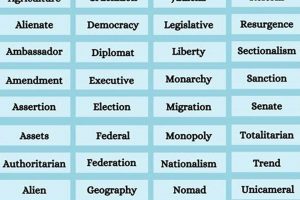
The educational framework designed for social studies at the second-grade level encompasses a structured sequence of learning experiences. This framework typically includes specific topics, learning objectives, and assessment methods intended to introduce young learners to foundational concepts about their community, country, and the world. For example, a typical curriculum might involve lessons on community helpers, basic map skills, and understanding different cultures.
Such academic planning plays a vital role in fostering civic awareness and responsible citizenship from an early age. It provides a fundamental understanding of historical events, geographical locations, and diverse societal structures. Historically, social studies education at this level has evolved from rote memorization to more engaging and interactive methods, aiming to develop critical thinking and problem-solving skills.
The subsequent sections will delve into specific topics commonly covered, pedagogical approaches employed, and available resources that support effective instruction. Further exploration will also consider how these early educational experiences lay the groundwork for more advanced studies in history, geography, and civics.
Effective Strategies for Second Grade Social Studies Instruction
The following are actionable recommendations to enhance the delivery and reception of the social studies curriculum at the second-grade level. These strategies aim to promote deeper understanding and engagement with the material.
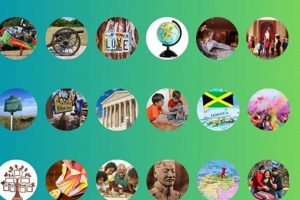
Tip 1: Emphasize Visual Aids. Young learners often benefit from visual representations of concepts. Utilize maps, photographs, timelines, and charts to illustrate abstract ideas and historical events. For instance, when discussing different cultures, incorporate images of traditional clothing, dwellings, and foods.
Tip 2: Integrate Storytelling. Narrative approaches can make historical figures and events more relatable. Share stories about individuals who made significant contributions to society, focusing on their challenges and triumphs. This approach can humanize history and foster empathy.
Tip 3: Facilitate Hands-on Activities. Engage students through tactile learning experiences. Consider creating models of historical landmarks, organizing mock elections, or conducting simulations of community roles. Active participation enhances retention and comprehension.
Tip 4: Incorporate Primary Sources (Appropriately). Introduce simplified excerpts from primary sources, such as diaries or letters. These authentic materials offer a direct connection to the past. Ensure selections are age-appropriate and accompanied by contextual explanations.
Tip 5: Promote Collaborative Learning. Encourage group projects and discussions. Assign students to work together on research projects or presentations. Collaborative activities foster communication skills and diverse perspectives.
Tip 6: Connect Learning to the Local Community. Draw parallels between the curriculum and the students’ immediate environment. Explore local historical sites, invite guest speakers from the community, and discuss current events that impact their lives. This approach demonstrates the relevance of social studies to their everyday experiences.
The implementation of these strategies can lead to increased student engagement, a more profound understanding of social studies concepts, and the development of crucial civic skills. By focusing on visual aids, storytelling, hands-on activities, primary source integration, and collaborative learning, educators can create a more effective and enriching learning environment.
The subsequent section will address common challenges encountered in the implementation of “2nd grade social studies curriculum” and offer potential solutions.
1. Community Relationships

The study of community relationships within the second-grade academic framework introduces young learners to the interconnectedness of individuals and institutions within their immediate surroundings. This exploration forms a foundational element in developing an understanding of civic responsibility and social awareness.
- Community Helpers and Their Roles
This facet involves identifying and examining the diverse roles individuals play in supporting the community’s well-being. Examples include firefighters, police officers, teachers, librarians, and healthcare professionals. Understanding their functions fosters an appreciation for the interdependent nature of community life and the services that contribute to its stability.
- Local Businesses and Economic Activity
Investigating local businesses exposes students to basic economic principles and the role of commerce in community development. Studying businesses such as grocery stores, restaurants, and local shops demonstrates how goods and services are provided and how people earn a living within their community. This reinforces the concept of economic interdependence.
- Community Organizations and Volunteerism
Exploring the activities of community organizations and volunteer groups highlights the importance of civic engagement. Organizations such as local charities, environmental groups, and neighborhood associations provide opportunities for individuals to contribute to the community’s betterment. This fosters a sense of social responsibility and the value of collective action.
- Family Roles and Interactions within the Community
Examining family structures and their interactions within the broader community underscores the fundamental role of families in shaping social norms and values. Understanding how families contribute to the community through participation in school activities, community events, and local governance promotes an appreciation for the diverse ways individuals contribute to the collective good.
By exploring these facets, second-grade students gain a practical understanding of community relationships. This understanding lays the groundwork for more advanced studies in civics, sociology, and economics, as well as fostering a sense of belonging and responsibility within their communities.
2. Civic Responsibility

The cultivation of civic responsibility is a foundational objective of social studies education at the second-grade level. The curriculum aims to introduce young learners to the principles and practices that underpin responsible citizenship within their immediate communities and the broader society.
- Understanding Rules and Laws
This element focuses on introducing the concept that rules and laws exist to maintain order and ensure fairness. Students learn about the purpose of rules in the classroom, at home, and in the community. Examples include traffic laws, school rules regarding conduct, and community ordinances related to noise or waste disposal. The understanding fostered is that these regulations contribute to the safety and well-being of all members of society.
- Respect for Authority
The curriculum instills the importance of respecting authority figures such as teachers, police officers, and government officials. This involves understanding the roles these individuals play in upholding rules and maintaining order. Students learn that respecting authority is essential for a functional and harmonious society, and that obedience to legitimate authority contributes to the common good.
- Making Responsible Choices
The curriculum emphasizes the importance of making responsible choices in daily life. This includes understanding the consequences of actions and making decisions that consider the well-being of others. Examples include choosing to be honest, respecting the property of others, and participating in community activities. The goal is to cultivate a sense of personal responsibility and ethical decision-making.
- Community Involvement
Introduction to community involvement highlights the value of participating in activities that benefit the community. This can include volunteering for local charities, participating in community clean-up events, or engaging in school projects that address community needs. The objective is to foster a sense of civic engagement and the understanding that individuals can make a positive impact on their surroundings.
These facets of civic responsibility are integrated within the second-grade framework to lay the groundwork for more advanced studies in civics, government, and social justice. By introducing these concepts early, the curriculum aims to cultivate informed, engaged, and responsible citizens who contribute positively to their communities and the nation as a whole. The lessons learned during this stage help to instill a sense of belonging and a commitment to the well-being of society.
3. Cultural Awareness

Cultural awareness, as integrated within the second-grade social studies framework, serves as a critical component in fostering an understanding and appreciation of diversity. It aims to introduce young learners to the concept of cultural differences and similarities, promoting empathy and respect for individuals from various backgrounds.
- Introduction to Diverse Traditions and Customs
This facet exposes students to a variety of cultural traditions, customs, and celebrations from around the world. Examples include learning about holidays like Diwali, Hanukkah, and Lunar New Year, as well as customs related to food, clothing, and social interactions. The objective is to broaden students’ perspectives and cultivate an appreciation for cultural diversity. The framework ensures that curricula cover various traditions, demonstrating the richness and variety of human expression.
- Understanding Different Family Structures and Lifestyles
The component promotes an awareness of diverse family structures and lifestyles. This entails exploring various family arrangements, such as single-parent households, blended families, and extended family units. Discussions may also encompass differences in living environments, such as urban, suburban, and rural settings. A goal of this area is to challenge preconceived notions about what constitutes a “typical” family and to encourage acceptance of alternative lifestyles.
- Exploration of World Music, Art, and Literature
The exploration of world music, art, and literature exposes students to different forms of creative expression from diverse cultures. This may involve listening to music from various regions, viewing artwork created by artists from different cultural backgrounds, and reading stories and folktales from around the world. The aims are to introduce students to cultural values and beliefs and develop aesthetic appreciation.
- Recognition of Cultural Contributions to Society
This facet emphasizes the recognition of the contributions that different cultures have made to society. This may include highlighting the achievements of scientists, artists, musicians, and leaders from diverse backgrounds. The objective is to demonstrate the value of cultural diversity and the positive impact that various cultures have had on the world. A curriculum example is to study the contributions of African Americans during Black History Month.
The integration of these facets within the second-grade framework is designed to cultivate culturally competent and socially responsible citizens. These early lessons lay the groundwork for more advanced studies in cultural anthropology, sociology, and global studies. Ultimately, “2nd grade social studies curriculum” aims to promote a more inclusive and understanding society by introducing children to diverse perspectives and cultivating empathy for those from different cultural backgrounds.
4. Basic Geography

Basic geography is a foundational element within second grade social studies education, providing students with an initial understanding of their world and their place within it. The inclusion of geography at this level is not arbitrary; it serves as a critical building block for comprehending broader social, cultural, and historical contexts. Teaching basic geographical concepts, such as map reading, the identification of continents and oceans, and an understanding of different landforms, lays the groundwork for later, more complex studies. For example, understanding the concept of a map scale allows students to interpret distances and spatial relationships, which can then be applied to understanding how communities are structured and connected.
The practical applications of basic geographical knowledge extend beyond the classroom. Students develop spatial reasoning skills that are essential for navigation and orientation in their everyday lives. Recognizing the difference between a city, state, and country helps them understand the levels of government and the administrative divisions that organize society. Further, learning about different climates and ecosystems fosters an appreciation for environmental diversity and the interconnectedness of all living things. This can contribute to an early awareness of environmental issues and promote responsible stewardship of the planet. For instance, learning about different types of communities such as rural and urban, contributes to an understanding of how people are interconnected based on their environment.
In conclusion, basic geography is a vital and integrated component of the second grade social studies framework. It facilitates the development of essential spatial reasoning skills, fosters an understanding of societal structures, and promotes environmental awareness. Integrating basic geographic concepts is not without challenges, such as ensuring age-appropriate content and providing hands-on learning experiences, however, the benefits of providing these foundational concepts have wide-reaching benefits and contribute to the development of informed, globally aware citizens.
5. Historical Figures

The study of historical figures within the second-grade academic setting serves as a means of introducing young learners to concepts of leadership, perseverance, and societal change. The selection and presentation of historical figures are carefully considered to align with the cognitive and emotional development of children at this age.
- Introduction to Key Figures in American History
This facet involves introducing students to figures such as George Washington, Abraham Lincoln, and Rosa Parks. The emphasis is placed on their contributions to the development of the United States and their embodiment of positive character traits. For instance, lessons on George Washington often focus on his leadership during the American Revolution, while lessons on Abraham Lincoln highlight his role in ending slavery. The purpose is to instill an understanding of key moments in national history and the individuals who shaped them.
- Exploration of Figures from Diverse Backgrounds
The curriculum should explore historical figures from diverse racial, ethnic, and cultural backgrounds. This can include figures like Martin Luther King Jr., Cesar Chavez, and Helen Keller. The objective is to demonstrate that individuals from all backgrounds have made significant contributions to society and to promote an inclusive understanding of history. The inclusion of diverse figures helps counter biases and promotes empathy among students.
- Focus on Figures Who Overcame Challenges
Emphasis is placed on the struggles and obstacles that historical figures faced and how they overcame them. This can include figures like Harriet Tubman, who escaped slavery and helped others do the same, or Thomas Edison, who persevered through numerous failed attempts before inventing the light bulb. By highlighting these stories of resilience, the curriculum aims to instill a sense of perseverance and determination in students, teaching them that challenges can be overcome with effort and courage.
- Understanding the Impact of Actions on Society
The curriculum aims to demonstrate how the actions of historical figures had a lasting impact on society. For example, lessons on Susan B. Anthony highlight her role in the women’s suffrage movement and the lasting impact of her efforts on women’s rights. By understanding the consequences of past actions, students can begin to appreciate the power of individuals to shape the course of history and to understand their own potential to make a difference.
These various components are incorporated within the curriculum to lay the groundwork for more advanced studies in history and civics. The study of historical figures provides a tangible and relatable way for young learners to engage with the past, fostering a sense of connection to history and inspiring them to become active and informed citizens.
Frequently Asked Questions
The following addresses common inquiries and clarifies aspects of the educational framework designed for social studies at the second-grade level.
Question 1: What specific topics are typically covered within the educational framework?
The academic program generally encompasses community relationships, civic responsibility, cultural awareness, basic geography, and the exploration of historical figures.
Question 2: How does the curriculum contribute to a child’s development of civic responsibility?
The program instills the importance of rules and laws, promotes respect for authority, and emphasizes making responsible choices, alongside encouraging community involvement.
Question 3: In what ways does the educational plan promote cultural awareness?
Exposure to diverse traditions, customs, and family structures is a part of the program, as is an exploration of world music, art, and literature, as well as a recognition of cultural contributions to society.
Question 4: What foundational geographical concepts are introduced to students?
Map reading skills, the identification of continents and oceans, and the understanding of different landforms constitute the basic geographical knowledge imparted during this stage.
Question 5: What criteria are used to select historical figures for study within the program?
Selection focuses on key figures in national history, exploration of individuals from diverse backgrounds, those who overcame significant challenges, and figures whose actions had a lasting impact on society.
Question 6: How does the framework cater to diverse learning styles and needs?
Effective strategies often involve the integration of visual aids, storytelling techniques, hands-on activities, primary source excerpts, and collaborative learning opportunities.
In summation, the framework for social studies at the second-grade level aims to provide a broad and comprehensive introduction to key social, cultural, and historical concepts, fostering informed and engaged young citizens.
The subsequent sections will focus on resources available to support the effective implementation of the academic program.
Conclusion
The preceding discourse has illuminated the multifaceted nature of the “2nd grade social studies curriculum”. Key elements, including community relationships, civic responsibility, cultural awareness, basic geography, and historical figures, form the foundation of the framework. Effective instructional strategies, such as visual aids and hands-on activities, are crucial for comprehension and engagement. Common challenges exist, necessitating resources and adaptable teaching methods for optimal implementation.
Effective application of the “2nd grade social studies curriculum” serves as a crucial investment in future generations, fostering informed and engaged citizens equipped to navigate an increasingly complex world. Continued evaluation and refinement are essential to ensure its continued relevance and efficacy in shaping young minds.