The central question pertains to the corporate and geographical relationship between two major entertainment entities in Central Florida. The query essentially asks whether one theme park resort, known for its characters and immersive environments, is a subsidiary or component of another, equally recognized resort. Answering this necessitates understanding the ownership structure and operational independence of each company.
Understanding the distinction is important for planning vacations and comprehending the competitive landscape of the theme park industry. Each resort offers distinct experiences, appealing to different demographics and preferences. Furthermore, the historical development of each entity illustrates the evolution of themed entertainment and its economic impact on the surrounding region. Each company operates under different ownership and management, resulting in different approaches to park design, intellectual property utilization, and overall visitor experience.
The following information clarifies the independent nature of each resort, highlighting key aspects that differentiate them, including ownership, location, and thematic focus. This separation directly influences the strategic direction, creative choices, and ultimately, the customer experience offered by each destination.
Distinguishing Universal Studios and Walt Disney World
Effective vacation planning necessitates understanding the fundamental differences between Universal Studios and Walt Disney World. These entities operate independently and offer distinct experiences.
Tip 1: Understand Ownership and Operation: Universal Studios is owned by NBCUniversal (a subsidiary of Comcast), while Walt Disney World is owned by The Walt Disney Company. This difference impacts park management, investment strategies, and long-term planning.
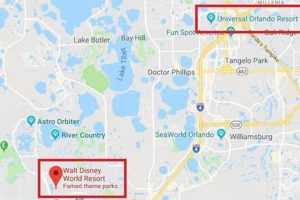
Tip 2: Consider Location and Logistics: While both resorts are located in Central Florida, they are not directly adjacent. Traveling between them requires transportation, which should be factored into travel plans.
Tip 3: Evaluate Thematic Focus: Universal Studios prioritizes movie and television franchises, offering thrill rides and immersive experiences based on popular media. Walt Disney World focuses on classic characters, storytelling, and a wider range of family-oriented attractions.
Tip 4: Research Ticket and Package Options: Ticket pricing and package deals vary significantly between the two resorts. Compare costs and benefits carefully to determine the best value for individual needs.
Tip 5: Examine Ride and Attraction Suitability: Universal Studios features more intense rides and attractions that may not be suitable for young children or individuals with certain health conditions. Walt Disney World offers a greater variety of attractions for all age groups.
Tip 6: Factor in Time Allocation: Given the size and scope of each resort, allocate sufficient time to fully experience the desired attractions. Rushing through either park can diminish the overall experience.
Tip 7: Plan for Transportation Between Parks: If visiting both Universal Studios and Walt Disney World, research transportation options in advance. Rental cars, ride-sharing services, and resort transportation are all viable alternatives.
Differentiating between these resorts is crucial for maximizing vacation satisfaction. Understanding their independent operation and distinct offerings allows for a more informed and tailored travel experience.
By acknowledging these key distinctions, individuals can optimize their vacation planning and avoid potential misunderstandings regarding the relationship between Universal Studios and Walt Disney World. The subsequent sections of this article will delve into more specific comparisons and provide additional guidance for prospective visitors.
1. Separate ownership structures

The concept of separate ownership structures is central to understanding why Universal Studios is not part of Walt Disney World. The distinct ownership of each entity dictates their operational independence, strategic direction, and overall management. This separation forms the bedrock of their identities as competitors in the themed entertainment market.
- Corporate Parentage and Control
Universal Studios is owned by NBCUniversal, a subsidiary of Comcast Corporation. This implies that strategic decisions, capital investments, and operational policies are ultimately influenced by Comcast. In contrast, Walt Disney World is owned and operated by The Walt Disney Company. Its strategic direction is shaped by the Disney board and executive leadership. The diverging corporate hierarchies prevent any possibility of shared ownership or control.
- Financial Independence and Resource Allocation
Each entity possesses financial autonomy, managing its own revenues, expenses, and investments. Universal Studios’ financial performance directly impacts Comcast’s overall financial results, while Walt Disney World’s performance affects The Walt Disney Company’s financial standing. Capital allocation decisions are made independently, with each company prioritizing investments that align with its specific strategic goals and shareholder interests. This financial separation reinforces their distinct identities.
- Brand Management and Intellectual Property
The two companies maintain separate control over their respective brands and intellectual property portfolios. Universal Studios leverages brands like Harry Potter, Jurassic Park, and Despicable Me. Walt Disney World exploits Disney, Pixar, Marvel, and Star Wars properties. The distinct intellectual property rights are fiercely protected and managed independently, ensuring differentiated visitor experiences and market positioning.
- Strategic Decision-Making and Competitive Positioning
Independent ownership allows each company to pursue distinct strategic initiatives and competitive positioning. Universal Studios may prioritize thrill rides and immersive cinematic experiences, while Walt Disney World may focus on classic characters, storytelling, and family-oriented entertainment. This divergence in strategic focus reflects their independent decision-making processes and competitive strategies.
In summary, the concept of separate ownership structures highlights the foundational reason why Universal Studios is not a constituent of Walt Disney World. The independent corporate parentage, financial autonomy, brand management, and strategic decision-making processes solidify their positions as distinct and competing entities in the themed entertainment industry.
2. Distinct Corporate Entities

The concept of distinct corporate entities directly addresses the inquiry of whether Universal Studios is part of Walt Disney World. The separate organizational structures of these enterprises underscore their operational independence and independent strategic directions.
- Separate Board of Directors and Executive Leadership
Each corporation operates under the direction of its own board of directors and executive leadership team. These individuals are responsible for setting the strategic direction, overseeing financial performance, and making key operational decisions specific to their respective organization. Universal Studios’ leadership reports to NBCUniversal (Comcast), while Walt Disney World’s leadership reports to The Walt Disney Company. The absence of shared leadership unequivocally demonstrates their separate corporate identities.
- Independent Financial Reporting and Accounting Practices
Each corporation maintains its own separate financial records and adheres to distinct accounting practices. Financial performance is reported independently, contributing to the overall financial results of their respective parent companies. Universal Studios’ financial statements are consolidated within Comcast’s reports, while Walt Disney World’s financials are integrated into The Walt Disney Company’s reports. This financial segregation illustrates their distinct financial accountability and prevents any fiscal consolidation.
- Exclusive Branding and Marketing Initiatives
Each corporation implements its own branding and marketing strategies to promote its products and services. Universal Studios employs marketing campaigns that emphasize its movie and television franchise tie-ins, while Walt Disney World’s marketing focuses on classic characters, storytelling, and immersive experiences. These separate branding initiatives reinforce their distinct market identities and underscore their independent promotional efforts.
- Unique Legal and Regulatory Compliance
Each corporation is responsible for complying with all applicable legal and regulatory requirements independently. This includes adhering to federal and state laws, obtaining necessary permits and licenses, and managing legal risks associated with their operations. Universal Studios and Walt Disney World each have their own legal departments responsible for ensuring compliance with all relevant regulations, further solidifying their separate legal existences.
These facets collectively demonstrate that Universal Studios and Walt Disney World operate as distinct corporate entities. The separate leadership, financial practices, branding efforts, and legal compliance obligations underscore the lack of any corporate integration between the two organizations. Their independent structures directly confirm that Universal Studios is not part of Walt Disney World.
3. Independent Financial Operations

The concept of independent financial operations is central to understanding the relationship between Universal Studios and Walt Disney World, specifically illustrating why Universal Studios is not part of Walt Disney World. The financial autonomy of each entity reflects distinct corporate structures and strategic decision-making processes.
- Separate Revenue Streams and Profit Centers
Universal Studios and Walt Disney World generate revenue through different sources, including ticket sales, merchandise, hotel accommodations, and food and beverage services. These revenue streams are independently managed and contribute to the overall profitability of their respective parent companies. Universal Studios’ revenues directly impact NBCUniversal’s financial performance, while Walt Disney World’s revenues contribute to The Walt Disney Company’s financial standing. The segregation of revenue streams underscores their financial independence.
- Distinct Capital Expenditure Budgets and Investment Strategies
Each entity allocates capital resources independently based on its strategic priorities and growth objectives. Universal Studios may invest in new rides and attractions based on movie franchises owned by NBCUniversal, while Walt Disney World may prioritize investments in theme park enhancements, hotel expansions, or technological innovations. These independent capital expenditure decisions reflect distinct strategic visions and investment strategies. This autonomy in capital allocation reinforces their separate financial operations.
- Independent Debt Financing and Credit Ratings
Universal Studios and Walt Disney World manage their debt financing independently, securing loans and credit lines based on their financial performance and creditworthiness. Each entity maintains its own credit ratings, reflecting its ability to meet financial obligations. Universal Studios’ debt is backed by NBCUniversal’s assets, while Walt Disney World’s debt is supported by The Walt Disney Company’s assets. The separation of debt financing and credit ratings demonstrates their independent financial profiles.
- Unique Financial Reporting and Accounting Practices
Each entity prepares its financial statements in accordance with generally accepted accounting principles (GAAP) and reports its financial performance to its respective parent company. Universal Studios’ financial results are consolidated into NBCUniversal’s financial reports, while Walt Disney World’s financial results are included in The Walt Disney Company’s reports. These separate financial reporting practices ensure transparency and accountability within each organization, further highlighting their independent financial operations.
The independent financial operations of Universal Studios and Walt Disney World underscore their distinct corporate structures and strategic directions. The separate revenue streams, capital expenditure budgets, debt financing, and financial reporting practices demonstrate that Universal Studios operates as a financially autonomous entity, independent of Walt Disney World. This financial autonomy is a key factor in confirming that Universal Studios is not part of Walt Disney World.
4. Competing business strategies

The presence of competing business strategies between Universal Studios and Walt Disney World significantly clarifies the understanding that Universal Studios is not part of Walt Disney World. These distinct strategies guide their operational decisions, target markets, and long-term growth objectives, illustrating their independent existence.
- Differentiated Thematic Focus and Target Audiences
Universal Studios strategically emphasizes movie and television franchises, catering to an audience seeking immersive, thrill-oriented experiences. In contrast, Walt Disney World centers its strategy on classic characters, storytelling, and family-friendly entertainment, targeting a broader demographic. This deliberate differentiation in thematic focus and target audiences requires separate strategic planning and marketing efforts, reinforcing their independent operational status.
- Pricing and Value Proposition Strategies
Universal Studios and Walt Disney World adopt different pricing strategies to reflect their perceived value and target market. Universal may focus on value-added packages appealing to thrill-seekers, while Disney might emphasize premium experiences and longer stays. These differing approaches to pricing and packaging demand independent financial and marketing strategies, further demonstrating their autonomous business operations.
- Investment in Attractions and Capital Expenditures
The investment decisions regarding new attractions and capital improvements vary significantly between the two companies, reflecting their strategic priorities. Universal Studios might prioritize investments in technologically advanced rides based on current blockbuster movies, while Walt Disney World could focus on expanding existing theme parks or developing new themed lands based on established intellectual property. These divergent investment strategies necessitate separate financial planning and resource allocation, thereby underscoring their independent business models.
- Marketing and Promotional Campaigns
Universal Studios and Walt Disney World utilize distinct marketing and promotional campaigns to reach their target audiences and position their brands. Universal’s marketing may highlight the intensity and excitement of its rides and attractions, while Disney’s marketing could emphasize the emotional connection to its characters and the immersive nature of its storytelling. These differentiated marketing approaches, including advertising channels and promotional messaging, confirm that each company operates independently with competing business strategies.
These competing business strategies, from differentiated thematic focus and pricing to investment decisions and marketing campaigns, highlight the operational independence of Universal Studios and Walt Disney World. This strategic divergence provides compelling evidence that Universal Studios is not part of Walt Disney World, but rather a separate entity vying for market share in the themed entertainment industry.
5. Different thematic directions

The divergence in thematic directions serves as a significant indicator of the independent status of Universal Studios and Walt Disney World, directly addressing the question of whether one is part of the other. Each entity cultivates a distinct brand identity through its thematic focus, influencing attraction design, marketing strategies, and overall guest experience.
- Emphasis on Intellectual Property
Universal Studios primarily leverages movie and television franchises from NBCUniversal and other studios, integrating themes from properties such as Harry Potter, Jurassic Park, and The Simpsons. In contrast, Walt Disney World primarily utilizes Disney’s own intellectual property, including Disney characters, Pixar films, Marvel superheroes, and Star Wars. This differing emphasis on intellectual property reflects distinct creative visions and licensing agreements, underscoring their separate operational structures.
- Ride and Attraction Styles
Universal Studios typically features thrill rides and technologically advanced attractions designed to immerse guests in cinematic experiences. Examples include roller coasters based on movie franchises and 3D simulator rides. Walt Disney World, while also offering thrill rides, generally prioritizes family-friendly attractions and storytelling experiences, such as classic dark rides, parades, and character meet-and-greets. This difference in ride and attraction styles caters to different target demographics and further distinguishes their thematic approaches.
- Atmosphere and Immersive Environments
Both resorts prioritize creating immersive environments, but their approaches differ significantly. Universal Studios often aims for a more intense and realistic atmosphere, reflecting the tone of its featured movies and television shows. Walt Disney World focuses on creating a magical and idealized atmosphere, emphasizing fantasy, nostalgia, and a sense of wonder. These contrasting atmospheric qualities contribute to the distinct identities of each resort and demonstrate their independent creative direction.
- Overall Brand Identity and Guest Expectations
The cumulative effect of these thematic differences shapes the overall brand identity and guest expectations for each resort. Universal Studios cultivates a brand associated with thrilling entertainment and cinematic immersion, attracting guests seeking adrenaline-pumping experiences. Walt Disney World fosters a brand centered on family-friendly entertainment, timeless characters, and magical moments, attracting guests seeking a classic Disney vacation. These diverging brand identities are critical in understanding the independent nature of the two entities.
These distinct thematic directions provide compelling evidence that Universal Studios and Walt Disney World operate as separate entities. The contrasting emphasis on intellectual property, ride styles, atmosphere, and overall brand identity demonstrate that each resort pursues an independent creative vision and caters to different guest expectations. This thematic divergence directly supports the conclusion that Universal Studios is not part of Walt Disney World.
6. Unique intellectual properties
The ownership and utilization of unique intellectual properties are fundamental in distinguishing Universal Studios and Walt Disney World, thereby illustrating that Universal Studios is not part of Walt Disney World. These intellectual properties, encompassing characters, stories, and associated trademarks, serve as the foundation for themed attractions, merchandise, and overall brand identity. The distinct portfolios of these properties highlight the independent creative and commercial strategies of each entity.
- Ownership and Licensing Agreements
Universal Studios leverages intellectual properties primarily from NBCUniversal and other external studios, including franchises such as Harry Potter, Jurassic Park, and the works of Dr. Seuss. These properties are often utilized through licensing agreements or direct ownership by Universal’s parent company. Conversely, Walt Disney World predominantly utilizes intellectual properties owned by The Walt Disney Company, including Disney characters, Pixar creations, Marvel superheroes, and Star Wars. The distinct ownership and licensing arrangements dictate which properties each entity can exploit, preventing any shared usage and solidifying their independent operational status.
- Thematic Integration in Attractions and Experiences
The unique intellectual properties influence the thematic design of attractions and overall guest experiences within each resort. Universal Studios integrates its properties through immersive environments and technologically advanced rides that directly recreate scenes and narratives from the corresponding movies and television shows. Walt Disney World emphasizes storytelling and character interactions, employing its properties to create magical and family-oriented experiences. This divergence in thematic integration reinforces the separate brand identities and target audiences of each resort.
- Merchandising and Retail Strategies
Merchandising strategies are significantly influenced by the unique intellectual properties owned or licensed by each entity. Universal Studios offers merchandise based on its movie and television franchises, including clothing, toys, and collectibles featuring characters and logos from these properties. Walt Disney World focuses on merchandise featuring Disney characters, Pixar characters, Marvel superheroes, and Star Wars elements. The exclusive availability of specific merchandise items at each resort reflects the distinct intellectual property portfolios and reinforces the independent retail operations.
- Brand Identity and Marketing Campaigns
The unique intellectual properties contribute significantly to the overall brand identity and marketing campaigns of each resort. Universal Studios positions itself as a destination for thrilling entertainment based on popular movies and television shows, appealing to an audience seeking immersive cinematic experiences. Walt Disney World promotes itself as a magical destination for family vacations, emphasizing the emotional connection to its characters and the timeless appeal of its stories. This differentiation in brand identity, driven by distinct intellectual properties, underscores the independent nature of each entity and their distinct marketing objectives.
In conclusion, the distinct ownership, utilization, and promotion of unique intellectual properties definitively separate Universal Studios and Walt Disney World. The differing portfolios of characters, stories, and associated trademarks solidify the understanding that Universal Studios is not part of Walt Disney World, but rather an independent competitor in the themed entertainment industry.
7. Separate geographical locations
The geographical separation of Universal Studios and Walt Disney World serves as a tangible indicator of their independent operations, directly addressing the question of whether Universal Studios is part of Walt Disney World. While both resorts are situated in Central Florida, their distinct locations underscore their separate ownership, management, and strategic planning.
- Physical Distance and Land Ownership
Universal Studios and Walt Disney World are not contiguous properties. They are separated by several miles, encompassing roadways, residential areas, and other commercial developments. Each resort occupies distinct land parcels, owned and managed independently. The physical distance between the properties necessitates separate transportation infrastructure and logistical considerations, reinforcing their independent status.
- Distinct Municipal Addresses and Jurisdictional Boundaries
Each resort operates under different municipal addresses and is subject to the jurisdictional oversight of different local government entities. Universal Studios is primarily located within the city of Orlando, while Walt Disney World spans across multiple municipalities, including Lake Buena Vista and Bay Lake. These distinct jurisdictional boundaries imply separate regulatory compliance, zoning regulations, and tax obligations, reflecting their independent operational frameworks.
- Separate Infrastructure and Utilities Management
Each resort maintains its own independent infrastructure for utilities such as water, electricity, and waste management. Universal Studios manages its utilities through contracts with local providers, while Walt Disney World operates its own extensive utility infrastructure, including power generation and water treatment facilities. This separation in infrastructure management necessitates distinct operational planning and resource allocation, highlighting their independent status.
- Impact on Guest Transportation and Logistics
The separate geographical locations significantly impact guest transportation and logistical planning. Visitors traveling between the two resorts must utilize various transportation options, including rental cars, ride-sharing services, or dedicated transportation services. The need for inter-resort transportation adds complexity to vacation planning and reinforces the understanding that the resorts are not integrated into a single, unified destination. This separation requires independent logistical considerations for guests, further underscoring their operational independence.
In conclusion, the distinct geographical locations of Universal Studios and Walt Disney World provide clear evidence of their independent operations. The physical distance, distinct municipal addresses, separate infrastructure management, and logistical implications for guests all contribute to the understanding that Universal Studios is not part of Walt Disney World. This geographical separation underscores the distinct ownership, management, and strategic planning of each entity.
Frequently Asked Questions
The following questions address common misconceptions and provide clarity regarding the relationship between Universal Studios and Walt Disney World.
Question 1: Is Universal Studios owned by Walt Disney World?
No, Universal Studios is not owned by Walt Disney World. Universal Studios is owned by NBCUniversal (a subsidiary of Comcast), while Walt Disney World is owned by The Walt Disney Company. These are separate corporate entities with distinct ownership structures.
Question 2: Are Universal Studios and Walt Disney World located on the same property?
No, Universal Studios and Walt Disney World are not located on the same property. While both are situated in Central Florida, they are separated by several miles. Travel between the resorts requires transportation.
Question 3: Does a ticket to Walt Disney World grant access to Universal Studios, or vice versa?
No, a ticket to Walt Disney World does not grant access to Universal Studios, and vice versa. Separate tickets are required for each resort, as they are independently operated.
Question 4: Do the same characters appear at both Universal Studios and Walt Disney World?
Generally, no. Each resort primarily features characters associated with its own intellectual property. Universal Studios showcases characters from movies and television shows owned or licensed by NBCUniversal, while Walt Disney World features Disney, Pixar, Marvel, and Star Wars characters. Some characters may appear at both, but this is not typical.
Question 5: Do the resorts collaborate on special events or promotions?
While both resorts operate in the same geographic area, collaborations on special events or promotions are not common. Each resort independently plans and executes its events and promotions, focusing on its unique brand and target audience.
Question 6: Is it possible to walk between Universal Studios and Walt Disney World?
No, it is not possible to walk between Universal Studios and Walt Disney World. The distance and lack of pedestrian infrastructure between the resorts necessitate the use of vehicular transportation.
In summary, Universal Studios and Walt Disney World are distinct and independently operated theme park resorts. Understanding their separate ownership, locations, and ticket requirements is crucial for vacation planning.
The subsequent section will provide a concise conclusion summarizing the key distinctions between the two entities.
Is Universal Studios Part of Walt Disney World
This exploration has thoroughly addressed the query of whether Universal Studios is a component of Walt Disney World. The evidence presented confirms their separate identities through distinct ownership structures, independent corporate entities, autonomous financial operations, competing business strategies, divergent thematic directions, unique intellectual properties, and separate geographical locations. Each aspect underscores the lack of any corporate integration or shared management between the two organizations.
Understanding the distinct nature of these entertainment entities is crucial for informed decision-making within the themed entertainment industry. Recognizing their independent operations fosters a clearer perspective on the competitive landscape and allows for more strategic engagement with each resort. Continued awareness of these distinctions will ensure accurate perceptions and facilitate more effective planning for visitors and industry stakeholders alike.