The operating hours of Universal Studios theme parks, specifically the time of park closure, are often earlier than many guests anticipate. Several factors influence this decision, including seasonal considerations, operational costs, and the implementation of nighttime events.
Theme park operating hours frequently adjust to correspond with peak and off-peak seasons. During periods of lower attendance, reduced hours allow for cost savings in staffing, utilities, and maintenance. Furthermore, the scheduling of separately ticketed nighttime events, such as Halloween Horror Nights or holiday celebrations, necessitates earlier park closures to prepare the venue for the evening’s activities. These events often require significant transformations of the park environment, including set construction, prop placement, and the deployment of specialized lighting and sound systems.
Therefore, a combination of economic factors, seasonal attendance patterns, and the integration of specialized after-hours events contribute to the establishment of closing times that may seem relatively early to some visitors. Understanding these influences provides insight into the operational logic behind the park’s daily schedule.
Maximizing Your Visit Given Limited Operating Hours
Understanding the factors influencing the park’s closing time enables visitors to optimize their experience. Advance planning and strategic utilization of time are essential for a fulfilling visit.
Tip 1: Prioritize Attractions. Identify must-do rides and shows before arrival. Utilize park maps and wait time apps to plan a route that maximizes efficiency.
Tip 2: Arrive Early. Taking advantage of the park’s opening, often referred to as “rope drop,” allows access to popular attractions with minimal wait times.
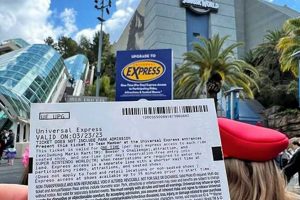
Tip 3: Utilize Express Pass Options. If available and within budget, purchasing an Express Pass significantly reduces wait times, enabling more attractions to be experienced within the park’s operating hours.
Tip 4: Consider Single Rider Lines. Some attractions offer single rider lines, which can drastically reduce wait times for individuals willing to be separated from their party.
Tip 5: Dine Strategically. Plan dining around less popular times to avoid long queues. Consider quick-service options for faster meal times.
Tip 6: Check Show Schedules. Confirm show times in advance and arrive early to secure optimal seating. Incorporate shows into the day’s itinerary to provide a break from rides.
Tip 7: Stay Informed. Regularly check the Universal Studios app or website for updated park hours, show schedules, and wait times throughout the day.
By implementing these strategies, visitors can make the most of their time within the park’s operating hours, ensuring a comprehensive and enjoyable experience. Effective planning compensates for the impact of earlier closing times.
The subsequent sections of this document will delve deeper into specific aspects of park operations and visitor resources.
1. Seasonality

Seasonality exerts a substantial influence on the operating hours of Universal Studios theme parks, directly affecting the time of park closure. The correlation stems from fluctuations in visitor attendance associated with different times of the year. During peak seasons, such as summer holidays, spring break, and significant national holidays, the parks typically extend their operating hours to accommodate the increased influx of guests. The justification for this extension lies in the heightened demand for park access and the potential for increased revenue generation during these periods. For instance, during the summer, Universal Studios may remain open until late evening to allow visitors ample time to experience all attractions.
Conversely, during off-peak seasons, such as mid-January to early February or during the school year, attendance figures decrease noticeably. In response to this diminished demand, park management reduces operating hours, resulting in earlier closing times. This adjustment serves to optimize operational costs by reducing staffing requirements, lowering energy consumption, and scheduling necessary maintenance activities during periods of lower guest presence. A practical example is seen during the weeks following major holidays, when the park might close several hours earlier than it does during the summer, reflecting the shift in attendance patterns.
In summary, the relationship between seasonality and theme park closing times is fundamentally driven by the principle of aligning operational capacity with fluctuating demand. By adjusting operating hours based on seasonal attendance trends, Universal Studios can effectively manage resources, optimize profitability, and maintain a sustainable operational model. The understanding of this relationship is critical for visitors to plan their park visits effectively, taking into account the varying operating hours throughout the year and adjusting their itineraries accordingly.
2. Event Scheduling

Event scheduling plays a critical role in determining Universal Studios’ closing times. The implementation of special events, particularly those occurring after normal park hours, directly necessitates adjustments to the daily operating schedule.
- Preparation Time for After-Hours Events
The transition from daytime operation to nighttime events, such as Halloween Horror Nights or holiday-themed celebrations, requires substantial preparation. This includes set construction, the installation of specialized lighting and sound systems, and the deployment of themed decorations. The complexity and scale of these transformations necessitate several hours of preparation time, which is typically accommodated by closing the park to regular guests earlier than usual. For instance, if Halloween Horror Nights begins at 7:00 PM, the park may close to daytime visitors as early as 5:00 PM to allow ample time for the changeover.
- Staffing and Resource Allocation
Special events often require a different allocation of staffing and resources compared to regular park operations. Security personnel, event staff, and performers need to be in place before the event begins, which necessitates an earlier closure to allow for staff briefings, staging, and logistical arrangements. The reallocation of staff from daytime operations to event-specific roles is a significant factor influencing the adjusted operating hours.
- Guest Safety and Crowd Control
Transitioning from regular park operations to a special event requires careful management of guest flow and crowd control. An earlier closure allows park personnel to clear the park of daytime visitors before the event commences, preventing overcrowding and ensuring a smoother entry process for event attendees. This is particularly important for events with limited capacity or those that involve changes to the park’s layout and accessibility.
- Maintenance and Resetting of Attractions
Some special events incorporate changes to existing attractions or the introduction of temporary ones. The overnight or evening period then becomes crucial for resetting these attractions, performing any needed maintenance after a full day of operations, and ensuring they are ready for the event that evening or the next operating day. If a ride requires significant technical work, an earlier park closure ensures a smoother transition and minimizes any disruptions to future park operations.
The necessity for extensive preparation, resource reallocation, and enhanced safety measures during event scheduling collectively contributes to Universal Studios’ decisions to close earlier on certain days. These factors are intrinsic to the park’s commitment to delivering high-quality, safe, and immersive event experiences, thereby impacting the overall operating schedule.
3. Operational Costs

Operational costs are a significant determinant of Universal Studios’ closing times. The extended operation of a theme park incurs substantial expenses, including but not limited to staffing, utilities, and maintenance. Prolonged operating hours necessitate higher staffing levels across all departments, from ride operators and food service personnel to security and custodial staff. Utility consumption, particularly electricity for lighting, climate control, and attraction operation, also increases proportionally with the duration of park operation. These incremental costs directly impact the overall profitability of the park’s daily operation. For example, if the marginal revenue generated during late evening hours does not sufficiently offset the added expenses of keeping the park open, a reduction in operating hours becomes a financially prudent decision. Therefore, carefully analyzing visitor traffic patterns and revenue generation across different times of the day enables park management to optimize operating hours in relation to these costs.
Furthermore, certain operational costs are fixed, regardless of the number of operating hours; however, variable costs such as labor and energy are directly linked to the duration the park is open. By closing earlier during periods of lower anticipated attendance, Universal Studios can significantly reduce these variable expenses. For instance, during weekdays in the off-season, the park may close several hours earlier, leading to considerable savings in payroll and utility bills. The implementation of such strategies requires sophisticated cost accounting and forecasting models to accurately predict attendance levels and associated revenue, ensuring that adjustments in operating hours align with broader financial goals. The integration of data analytics to inform these decisions is increasingly prevalent in theme park management.
In summary, operational costs serve as a critical constraint on Universal Studios’ operating hours. The need to balance revenue generation with expense management drives strategic decisions regarding closing times. Through meticulous monitoring of attendance trends, cost analysis, and resource allocation, park management can optimize operating hours to maximize profitability while maintaining a high standard of visitor experience. Understanding the financial imperatives underlying these decisions provides valuable context for interpreting the park’s daily schedule.
4. Staff Availability

Staff availability is a crucial factor influencing theme park operating hours. The need to adequately staff all attractions, food service locations, and support positions directly impacts the decision regarding the time of park closure. Inadequate staffing levels compromise both guest experience and operational efficiency.
- Labor Laws and Regulations
Labor laws and regulations governing work hours, breaks, and overtime significantly affect staff scheduling. Adherence to these laws limits the number of consecutive hours employees can work, necessitating shift changes and, potentially, earlier park closures to avoid violations and associated penalties. For instance, restrictions on the number of hours a minor can work may limit the availability of student employees during evening shifts, prompting an adjustment in park hours.
- Employee Fatigue and Performance
Extended operating hours can lead to employee fatigue, which negatively impacts performance, safety, and guest interactions. Maintaining adequate staffing levels throughout the day and evening is essential to prevent burnout and ensure a positive work environment. Closing the park at a reasonable hour allows for adequate rest and recuperation for employees, contributing to higher morale and improved service quality. Operational assessments of employee performance metrics can be used to guide staffing decisions that optimize both employee well-being and operational efficacy.
- Cost of Labor
The cost of labor, particularly during evening and weekend shifts, often exceeds daytime rates due to overtime pay and shift differentials. Maintaining a fully staffed park during periods of lower attendance can be financially unsustainable. Therefore, reducing operating hours during off-peak seasons or weekdays allows for a reduction in labor costs, aligning expenses with revenue generation. This economic consideration directly influences the decision-making process regarding park closing times.
- Seasonal Staffing and Hiring Challenges
Theme parks often rely on seasonal employees to meet staffing demands during peak periods. Recruiting, hiring, and training a sufficient number of qualified individuals can be challenging, particularly in competitive labor markets. If staffing levels fall short of requirements, park management may opt to reduce operating hours to ensure adequate coverage of essential positions. This is frequently observed during the shoulder seasons when student employees return to school, creating a labor shortage that necessitates adjustments in the park’s operating schedule.
These considerations collectively demonstrate the significant role of staff availability in determining Universal Studios’ closing times. Balancing the need for adequate staffing levels with labor regulations, employee well-being, and cost-effectiveness necessitates strategic adjustments to the park’s operating schedule. The outcome is a compromise between providing extended hours for guest enjoyment and maintaining a sustainable and well-managed workforce.
5. Maintenance Needs

Regular and comprehensive maintenance is crucial for the safe and efficient operation of Universal Studios. The necessity for thorough upkeep significantly influences decisions regarding park closing times, as designated periods are required to address maintenance demands effectively.
- Ride Inspections and Repairs
Theme park rides require rigorous daily, weekly, monthly, and annual inspections to ensure structural integrity and operational safety. These inspections often necessitate downtime, during which rides are taken offline for detailed examination and necessary repairs. Complex mechanical systems, electrical components, and safety restraints are scrutinized. Major repairs or overhauls, particularly on high-capacity attractions, can demand extended periods, justifying earlier park closures to facilitate uninterrupted maintenance work.
- Infrastructure Maintenance
The park’s infrastructure, including buildings, pathways, landscaping, and utilities, requires ongoing maintenance. Repairing damaged pavements, repainting facades, maintaining landscaping, and servicing electrical and plumbing systems are essential for preserving the park’s aesthetic appeal and functionality. These tasks are often conducted during nighttime hours to minimize disruption to guest flow. Closing the park earlier provides a larger window for these activities to be completed efficiently.
- Show and Special Effects Maintenance
Live shows and special effects contribute significantly to the Universal Studios experience. Maintaining the complex equipment used in these performances, such as pyrotechnics, animatronics, and projection systems, demands specialized expertise and scheduled downtime. Frequent maintenance is crucial for ensuring the reliability and safety of these elements. Earlier park closures facilitate the proper upkeep of these systems without interrupting regular show schedules.
- Deep Cleaning and Sanitation
Maintaining a clean and sanitary environment is essential for guest health and safety. Deep cleaning of restrooms, food service areas, and high-traffic zones requires significant time and resources. Power washing walkways, sanitizing surfaces, and emptying trash receptacles are typically conducted during nighttime hours when the park is closed. An earlier closing time allows custodial staff to perform these tasks more effectively, ensuring a clean and hygienic environment for the following day’s visitors.
The combined requirements of ride inspections, infrastructure upkeep, show maintenance, and deep cleaning necessitate dedicated time slots, often justifying earlier closing times at Universal Studios. These maintenance activities are essential for preserving the park’s safety, aesthetic appeal, and operational efficiency, ensuring a positive guest experience and minimizing potential disruptions.
6. Guest Demand
Guest demand is a primary driver in the establishment of Universal Studios’ operating hours. The park strategically adjusts its schedule based on anticipated and observed attendance patterns, impacting the time of the final daily closure. These adjustments aim to optimize profitability and resource allocation, aligning the park’s operational capacity with guest volume.
- Peak vs. Off-Peak Seasonality
During peak seasons, such as summer months, school holidays, and specific holiday periods, guest demand surges significantly. In response, the park extends its operating hours, often including later closing times, to accommodate the increased influx of visitors and maximize revenue opportunities. Conversely, during off-peak seasons, characterized by lower attendance rates, operating hours are reduced, leading to earlier park closures. This reduction reflects a decrease in demand and allows for cost-saving measures related to staffing and resource consumption.
- Weekday vs. Weekend Fluctuations
Attendance patterns typically exhibit a noticeable difference between weekdays and weekends. Weekends generally experience higher guest volumes compared to weekdays. Consequently, Universal Studios may implement later closing times on weekends to cater to the increased demand. Weekday schedules often feature earlier closures, reflecting the lower average attendance during these times. The adjustments are driven by the need to efficiently manage resources and optimize profitability in accordance with fluctuating demand levels.
- Special Events Influence
The presence of special events, such as concerts, seasonal festivals, or after-hours attractions, can directly affect guest demand and, consequently, park closing times. If a special event is scheduled, the park may adjust its hours, either by extending them to accommodate event attendees or by closing earlier to prepare for the event setup. The nature of the event, its anticipated attendance, and its operational requirements all factor into the decision-making process regarding closing times. For example, Halloween Horror Nights necessitates early closures to facilitate the transformation of the park into a themed environment.
- Real-Time Demand Adjustments
In certain situations, Universal Studios may implement real-time adjustments to its operating hours based on observed guest demand. If unexpected surges or drops in attendance occur, park management may modify the closing time accordingly. This dynamic approach allows for greater flexibility in responding to unforeseen circumstances and optimizing resource allocation. Factors such as weather conditions, local events, and competitor activities can influence attendance patterns and prompt real-time adjustments to the park’s schedule.
The interplay between guest demand and the park’s operating schedule is a dynamic and multifaceted relationship. Universal Studios continuously monitors attendance patterns, forecasts future demand, and adjusts its closing times accordingly to optimize profitability, manage resources efficiently, and cater to the needs of its visitors. These strategic decisions are integral to the park’s overall operational model.
7. Park Capacity

Park capacity, representing the maximum number of guests a theme park can safely and comfortably accommodate at any given time, directly influences operating hours and, consequently, the time of closure. When a park approaches or reaches its capacity limit, additional admissions are restricted to maintain a satisfactory guest experience and adhere to safety regulations. Extended operating hours under such conditions can lead to overcrowding, increased wait times, and potential safety hazards. Therefore, park management may opt to close earlier than initially scheduled to mitigate these issues, effectively managing the guest density and preventing adverse outcomes.
The establishment of a park’s capacity is based on several factors, including available space, ride capacity, staffing levels, and emergency evacuation protocols. Capacity is not merely a numerical limit but a dynamic measure influenced by real-time conditions and operational constraints. For example, during periods of high demand, even with extended operating hours, the park may reach capacity several hours before the advertised closing time. This situation necessitates a temporary closure to control the influx of guests and prevent overcrowding. Subsequent management strategies involve carefully monitoring guest flow, adjusting ride dispatch rates, and implementing crowd control measures to alleviate congestion and maintain a reasonable experience for those already inside the park.
In summary, park capacity serves as a critical constraint on operating hours. The need to balance guest enjoyment with safety considerations compels park management to adjust closing times based on real-time and anticipated attendance levels. Understanding the interplay between capacity, demand, and operating hours provides valuable context for visitors seeking to optimize their park experience. Earlier than expected closures often serve as a necessary measure to ensure the well-being and overall satisfaction of all guests, aligning with the park’s commitment to safety and quality.
Frequently Asked Questions
The following questions address common inquiries regarding the closing times of Universal Studios theme parks, providing insight into the factors influencing operating hours.
Question 1: Why are Universal Studios’ closing times often earlier than anticipated?
Several factors contribute to closing times, including seasonal attendance patterns, the scheduling of special events, and operational cost considerations. These factors collectively influence the park’s daily schedule.
Question 2: How does seasonality impact closing times?
During peak seasons, such as summer or holidays, operating hours are typically extended to accommodate higher attendance. Conversely, off-peak seasons often result in reduced operating hours and earlier closing times.
Question 3: What role do special events play in determining closing times?
After-hours events, such as Halloween Horror Nights, require significant preparation. This preparation necessitates earlier park closures for setup, staffing adjustments, and safety protocols.
Question 4: How do operational costs influence closing times?
Extended operating hours incur substantial expenses, including staffing, utilities, and maintenance. Reducing operating hours during periods of lower demand helps optimize cost management.
Question 5: Do maintenance requirements affect closing times?
Regular maintenance of rides, infrastructure, and show elements is essential for safety and functionality. Designated maintenance periods often necessitate earlier park closures.
Question 6: Is there a relationship between park capacity and closing times?
To ensure guest safety and comfort, the park may implement earlier closures when nearing capacity. This measure helps manage guest density and prevent overcrowding.
Understanding these factors provides context for interpreting Universal Studios’ daily schedule. Planning visits with consideration to seasonal patterns, event schedules, and potential adjustments is advised.
The subsequent section delves into strategies for maximizing the visit despite the park’s closing times.
Understanding Universal Studios’ Operating Hours
The exploration of factors dictating the closing times at Universal Studios reveals a complex interplay of economic considerations, seasonal variations, logistical necessities, and guest management strategies. Attendance patterns, event scheduling, operational costs, staff availability, maintenance needs, guest demand, and park capacity each contribute to the determination of daily operating hours. The rationale is not arbitrary but rather a carefully balanced assessment designed to optimize resource allocation and maintain the overall park experience.
The operational framework necessitates vigilant adaptation to fluctuating circumstances. Consequently, understanding these elements empowers visitors to strategically plan their visits, mitigating the impact of earlier-than-expected closures. The inherent understanding of the driving factor behind park closing times enables a more informed and efficient use of available time, thereby fostering a more comprehensive and satisfying experience. Further research into real-time park data and proactive planning are encouraged to ensure an optimal visit.